
















রোমে বৈশ্বিক ওয়ান হেলথ সম্মেলন: নীতি নয়, এবার কার্যক্রম ও পরিমাপযোগ্য ফল চান পরিবেশমন্ত্রী।।
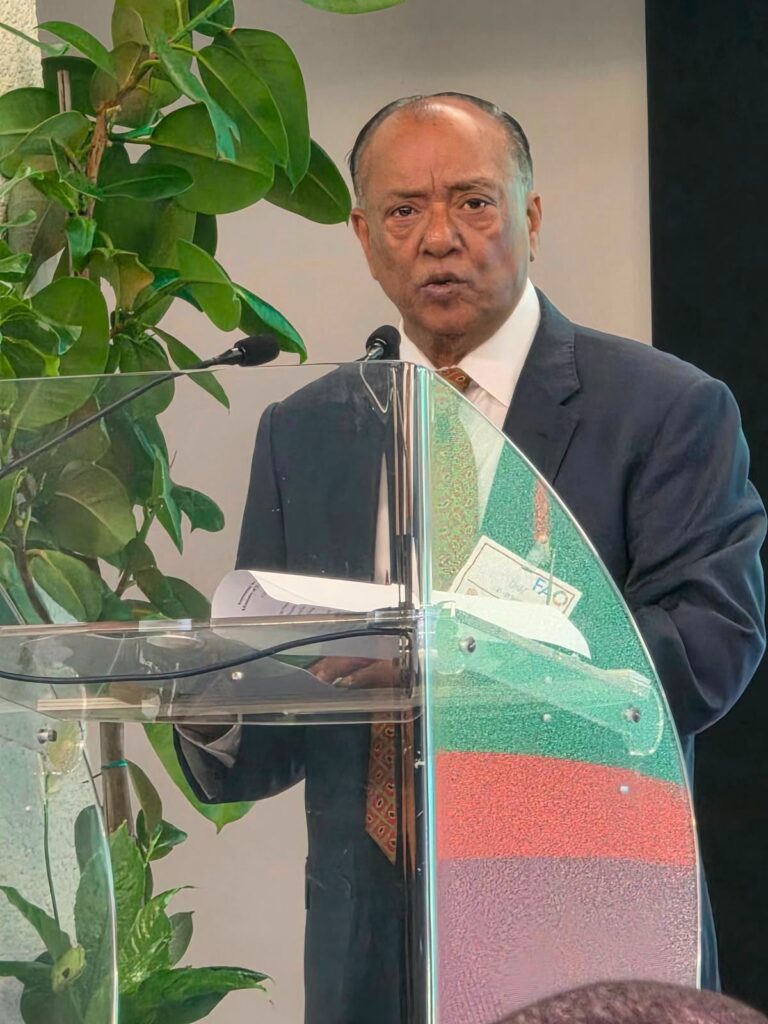
রোম, ২২ সেপ্টেম্বর ২০২৬: ওয়ান হেলথকে নীতিগত অঙ্গীকারের মধ্যে সীমাবদ্ধ না রেখে বাস্তব কার্যক্রম এবং কার্যক্রম থেকে পরিমাপযোগ্য ফলে রূপান্তর করতে হবে বলে মন্তব্য করেছেন পরিবেশ, বন ও জলবায়ু পরিবর্তনমন্ত্রী আবদুল আউয়াল মিন্টু, এমপি।

তিনি বলেন, জরুরি পরিস্থিতি তৈরি হওয়ার পর শুধু প্রতিক্রিয়া জানানোর পরিবর্তে ঝুঁকি আগাম শনাক্তকরণ, প্রশমন ও প্রতিরোধের মাধ্যমে সহনশীল কৃষিখাদ্য ব্যবস্থা এবং টেকসই জীবিকা গড়ে তুলতে হবে।
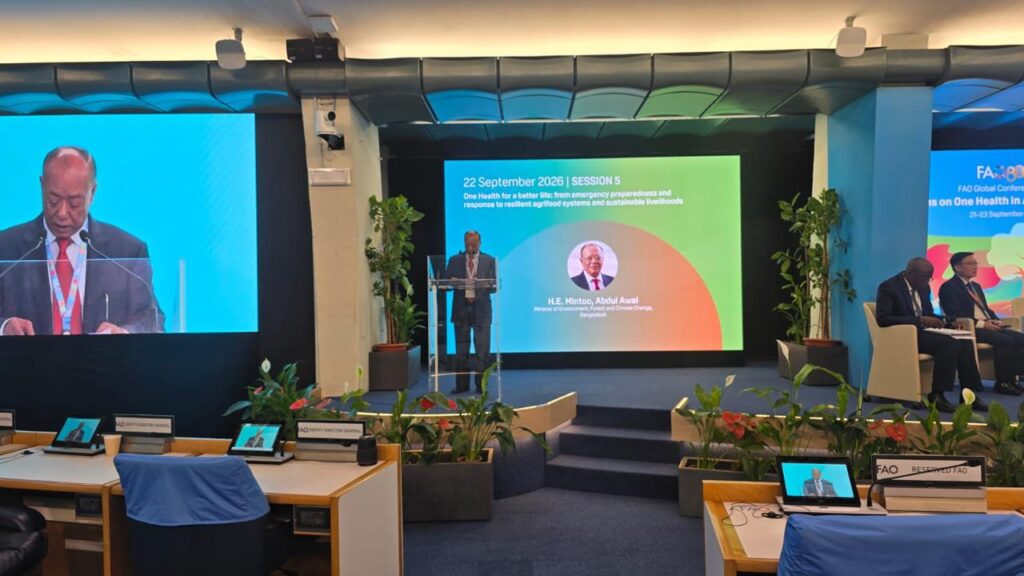
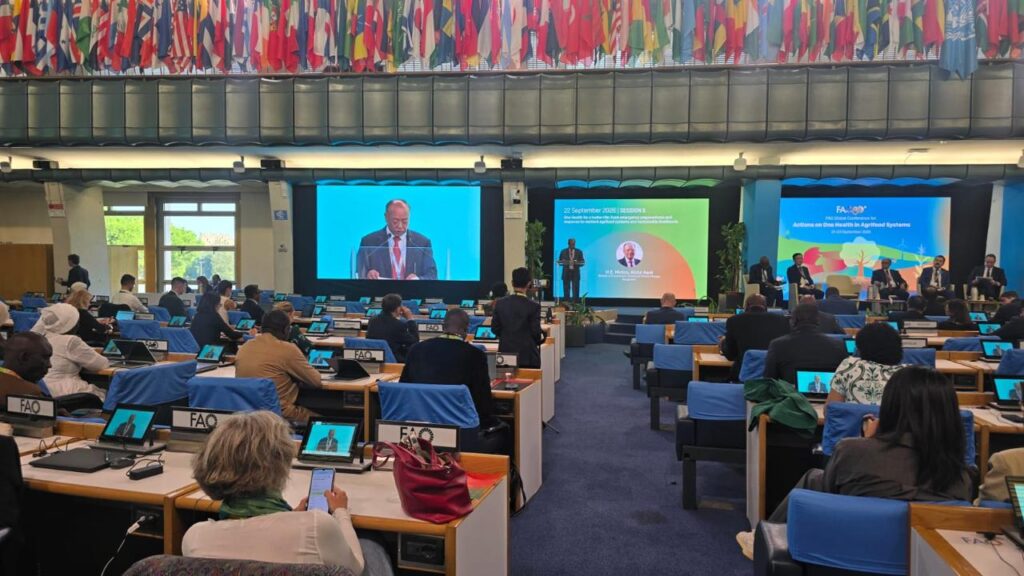
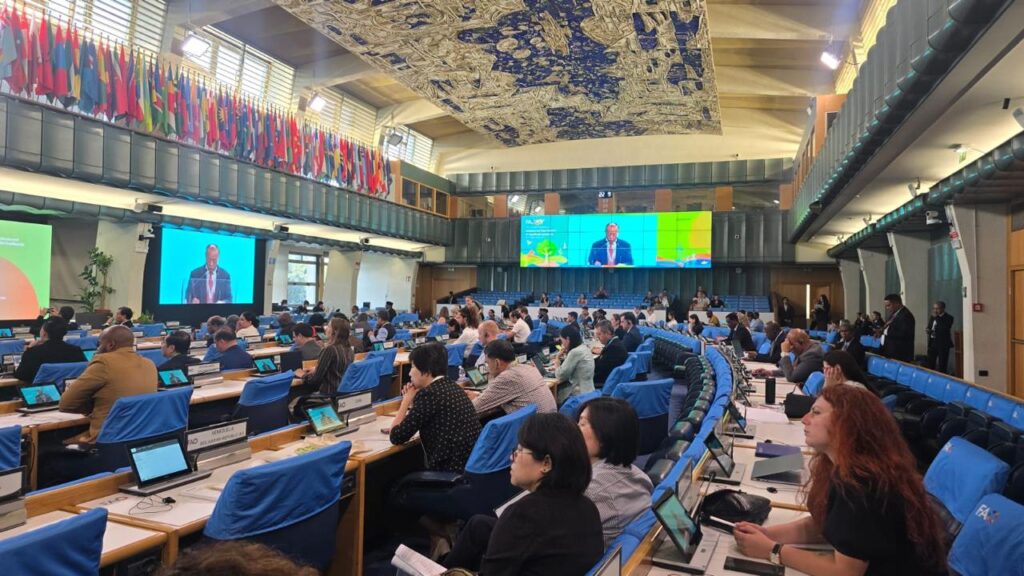
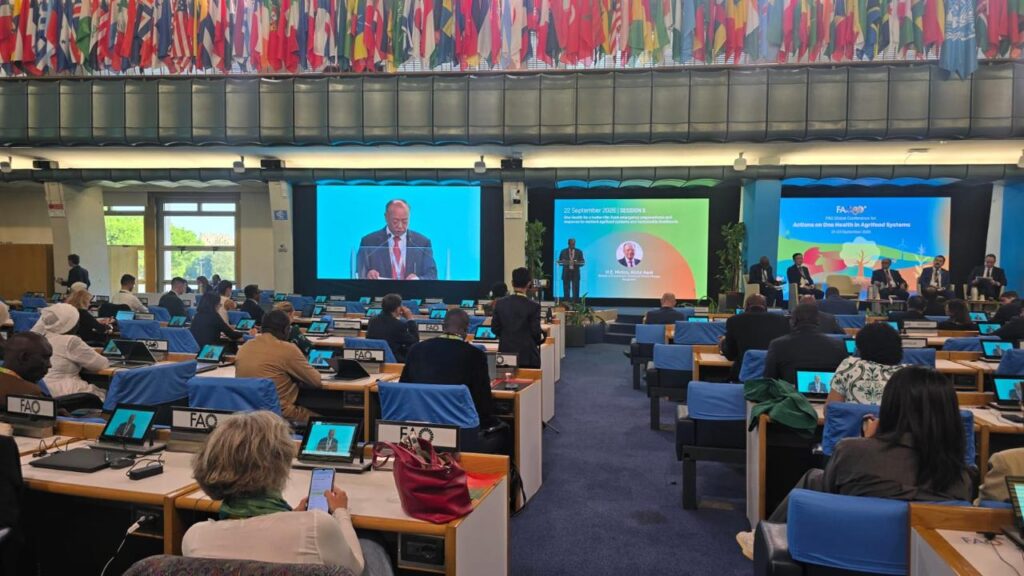
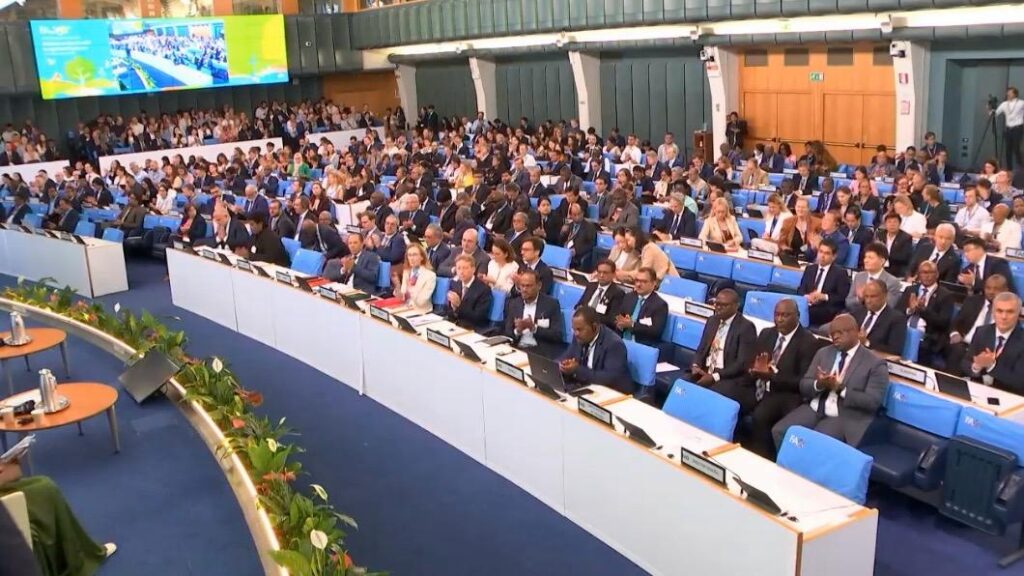
মঙ্গলবার ইতালির রাজধানী রোমে জাতিসংঘের খাদ্য ও কৃষি সংস্থার (এফএও) প্লেনারি হলে আয়োজিত ‘One Health for a Better Life: From Emergency Preparedness and Response to Resilient Agrifood Systems and Sustainable Livelihoods’ শীর্ষক অধিবেশনে মূল বক্তব্য প্রদানকালে পরিবেশমন্ত্রী এসব কথা বলেন।
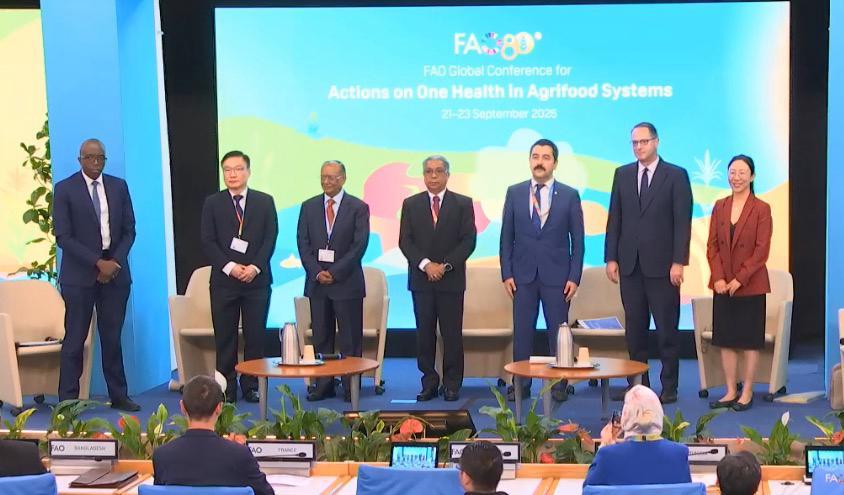
এ অধিবেশনটি ২১ থেকে ২৩ সেপ্টেম্বর এফএও সদর দপ্তরে অনুষ্ঠিত ‘FAO Global Conference for Actions on One Health in Agrifood Systems’-এর অংশ। সম্মেলনের লক্ষ্য কৃষিখাদ্য ব্যবস্থায় ওয়ান হেলথের বাস্তব প্রয়োগ ত্বরান্বিত করা এবং বিভিন্ন দেশের সরকার, বিশেষজ্ঞ ও উন্নয়ন সহযোগীদের মধ্যে কার্যকর অংশীদারত্ব গড়ে তোলা।
মানুষ, প্রাণী ও পরিবেশের স্বাস্থ্য পরস্পর সম্পর্কিত
পরিবেশমন্ত্রী বলেন, মানুষের স্বাস্থ্য, প্রাণীর স্বাস্থ্য, প্রতিবেশ ও পরিবেশ পরস্পরের সঙ্গে গভীরভাবে সম্পর্কিত। একটি ক্ষেত্রে সৃষ্ট ঝুঁকি খুব দ্রুত অন্য ক্ষেত্রগুলোকে প্রভাবিত করতে পারে।
তিনি বলেন, বাংলাদেশের খাদ্য ও জীবিকা ব্যবস্থা কৃষি, প্রাণিসম্পদ, মৎস্য এবং প্রাকৃতিক সম্পদের ওপর নিবিড়ভাবে নির্ভরশীল। অন্যদিকে জলবায়ু পরিবর্তন, পরিবেশগত অবক্ষয় এবং জীববৈচিত্র্যের ক্ষতি নতুন নতুন স্বাস্থ্যঝুঁকি তৈরি করছে।
তিনি আরও বলেন, ওয়ান হেলথ শুধু স্বাস্থ্য খাতের একটি কর্মসূচি নয়। এটি স্বাস্থ্যনিরাপত্তা, পরিবেশগত স্থায়িত্ব, খাদ্যনিরাপত্তা, সহনশীল জীবিকা এবং টেকসই উন্নয়নকে একই সূত্রে যুক্ত করার একটি সমন্বিত পদ্ধতি।
এফএও ওয়ান হেলথকে মানুষ, প্রাণী, উদ্ভিদ ও বাস্তুতন্ত্রের স্বাস্থ্যের মধ্যে টেকসই ভারসাম্য প্রতিষ্ঠার একটি সমন্বিত পদ্ধতি হিসেবে বিবেচনা করে। জলবায়ু পরিবর্তন, জীববৈচিত্র্যের ক্ষতি, উদীয়মান রোগ, অ্যান্টিমাইক্রোবিয়াল রেজিস্ট্যান্স এবং পরিবেশগত অবক্ষয়ের মতো ঝুঁকি মোকাবিলায় এ পদ্ধতির বাস্তব প্রয়োগের ওপর গুরুত্ব দেওয়া হচ্ছে।
তৃতীয় ওয়ান হেলথ কৌশলগত কাঠামো প্রণয়ন
বাংলাদেশের অঙ্গীকার তুলে ধরে আবদুল আউয়াল মিন্টু বলেন, ২০১২ সালে গৃহীত জাতীয় ওয়ান হেলথ কৌশলগত কাঠামোর ধারাবাহিকতায় তৃতীয় জাতীয় ওয়ান হেলথ কৌশলগত কাঠামো ২০২৫–২০৩০ প্রণয়ন করা হয়েছে।
এই কাঠামোর অধীন আন্তমন্ত্রণালয় সমন্বয়ব্যবস্থা ও ওয়ান হেলথ সেক্রেটারিয়েট বিভিন্ন খাতের মধ্যে সহযোগিতা, তথ্য বিনিময় এবং সমন্বিত কার্যক্রম গ্রহণের গুরুত্বপূর্ণ প্ল্যাটফর্ম হিসেবে কাজ করছে।
তিনি বলেন, ওয়ান হেলথ কার্যক্রম সফল করতে স্বাস্থ্য, প্রাণিসম্পদ, কৃষি, মৎস্য, পরিবেশ, স্থানীয় সরকার এবং দুর্যোগ ব্যবস্থাপনাসহ সংশ্লিষ্ট সব খাতের মধ্যে কার্যকর সমন্বয় প্রয়োজন।
প্রস্তুতি কোনো চূড়ান্ত গন্তব্য নয়
এভিয়ান ইনফ্লুয়েঞ্জা ও কোভিড-১৯ মহামারির অভিজ্ঞতা উল্লেখ করে পরিবেশমন্ত্রী বলেন, “প্রস্তুতি কোনো চূড়ান্ত গন্তব্য নয়; পরিবর্তনশীল ঝুঁকির সঙ্গে তাল মিলিয়ে আমাদের সক্ষমতা প্রতিনিয়ত উন্নত করতে হবে।”
তিনি সমন্বিত নজরদারি ও আগাম সতর্কতা ব্যবস্থা শক্তিশালী করা, খামার ও উৎপাদনব্যবস্থায় জৈবনিরাপত্তা নিশ্চিত করা এবং পরীক্ষাগার ও মাঠপর্যায়ের সক্ষমতা বৃদ্ধির ওপর গুরুত্বারোপ করেন।
একই সঙ্গে রোগের উদ্ভব ও বিস্তারের পেছনে থাকা পরিবেশগত, প্রতিবেশগত ও আর্থসামাজিক কারণ সম্পর্কে আরও গভীর ধারণা অর্জনের প্রয়োজনীয়তার কথা তুলে ধরেন তিনি।
জলবায়ু সহনশীলতা ছাড়া স্বাস্থ্য সহনশীলতা সম্ভব নয়
জলবায়ু সহনশীলতাকে স্বাস্থ্য সহনশীলতার অবিচ্ছেদ্য অংশ হিসেবে উল্লেখ করে আবদুল আউয়াল মিন্টু বলেন, জলবায়ু পরিবর্তনের কারণে রোগের ধরন, বাহক, বিস্তার ও ঝুঁকিপূর্ণ এলাকার পরিবর্তন ঘটছে। ফলে জনস্বাস্থ্য ও প্রাণিস্বাস্থ্য সুরক্ষায় জলবায়ু ঝুঁকিকেও সমান গুরুত্ব দিতে হবে।
তিনি জলবায়ু অভিযোজন, দুর্যোগ প্রস্তুতি, প্রতিবেশ পুনরুদ্ধার, জনগোষ্ঠীর সহনশীলতা এবং প্রকৃতিনির্ভর সমাধানকে জাতীয় ওয়ান হেলথ অগ্রাধিকারের সঙ্গে যুক্ত করার আহ্বান জানান।
এফএওর বৈশ্বিক সম্মেলনেও বিজ্ঞান, উদ্ভাবন ও স্থানীয় জ্ঞান কাজে লাগিয়ে ঝুঁকি প্রতিরোধ, নজরদারি এবং প্রাকৃতিক সম্পদের টেকসই ব্যবস্থাপনার ওপর গুরুত্ব দেওয়া হয়েছে।
জাতীয় সীমা অতিক্রম করছে স্বাস্থ্যঝুঁকি
পরিবেশমন্ত্রী বলেন, বর্তমান বিশ্বে রোগ ও অন্যান্য জরুরি স্বাস্থ্যঝুঁকি কোনো দেশের জাতীয় সীমার মধ্যে আবদ্ধ থাকছে না। মানুষ, গবাদিপ্রাণি, খাদ্যপণ্য এবং জীবাণুর আন্তদেশীয় চলাচলের কারণে এসব ঝুঁকি দ্রুত এক দেশ থেকে অন্য দেশে ছড়িয়ে পড়তে পারে।
তাই কার্যকর প্রস্তুতি ও প্রতিরোধব্যবস্থা গড়ে তুলতে সমগ্র সরকারভিত্তিক সমন্বয়, বহুখাতীয় সহযোগিতা এবং শক্তিশালী আঞ্চলিক ও আন্তর্জাতিক অংশীদারত্ব অপরিহার্য বলে তিনি মন্তব্য করেন।
বৈশ্বিক জ্ঞানের স্থানীয় প্রয়োগ জরুরি
এফএওসহ আন্তর্জাতিক ও আঞ্চলিক অংশীদারদের সহযোগিতার প্রশংসা করে পরিবেশমন্ত্রী মহামারি প্রতিরোধ ও প্রস্তুতিকে সহনশীল কৃষিখাদ্য ব্যবস্থা, টেকসই জীবিকা, পরিবেশগত স্থায়িত্ব এবং জলবায়ু সহনশীলতার সঙ্গে যুক্ত করার আহ্বান জানান।
তিনি বলেন, প্রতিটি দেশের সামাজিক, অর্থনৈতিক ও পরিবেশগত বাস্তবতা ভিন্ন। তাই দেশনির্ভর সমাধান তৈরি, জাতীয় সক্ষমতা শক্তিশালী এবং বৈশ্বিক জ্ঞানকে স্থানীয় পর্যায়ে কার্যকরভাবে প্রয়োগ করতে হবে।
আবদুল আউয়াল মিন্টু বলেন, “বাংলাদেশ জাতীয় উদ্যোগ, আঞ্চলিক সহযোগিতা ও আন্তর্জাতিক অংশীদারত্বের মাধ্যমে ওয়ান হেলথ এজেন্ডা এগিয়ে নিতে প্রতিশ্রুতিবদ্ধ। এখন ওয়ান হেলথকে নীতি থেকে কার্যক্রমে এবং কার্যক্রম থেকে পরিমাপযোগ্য ফলে রূপ দিতে হবে।”
এই লক্ষ্য অর্জনে তিনি সরকার, আন্তর্জাতিক সংস্থা, উন্নয়ন সহযোগী, গবেষক, বিশেষজ্ঞ এবং অন্যান্য অংশীজনকে বাংলাদেশের সঙ্গে কাজ করার আহ্বান জানান।
আন্তর্জাতিক প্রতিনিধিদের অংশগ্রহণ
প্যানেল আলোচনায় অংশ নেন নাইজেরিয়ার প্রাণিসম্পদ উন্নয়নমন্ত্রী ইদি মুখতার মাইহা, ইতালির রোমে নিযুক্ত যুক্তরাষ্ট্রের কৃষিবিষয়ক মিনিস্টার-কাউন্সেলর ডগলাস হোলশার, থাইল্যান্ডের জনস্বাস্থ্য মন্ত্রণালয়ের উপস্থায়ী সচিব সোপন ইয়ামসিরিথাওর্ন এবং ইসলামিক অর্গানাইজেশন ফর ফুড সিকিউরিটির প্রোগ্রামস বিভাগের পরিচালক মেমদুহ উনাল। মেমদুহ উনালের পদবি ও প্রতিষ্ঠানটির পরিচয় সংস্থাটির নিজস্ব প্রকাশনাতেও উল্লেখ রয়েছে।
এ সময় ইতালিতে নিযুক্ত বাংলাদেশের রাষ্ট্রদূত এ টি এম রকিবুল হকসহ বিভিন্ন দেশের উচ্চপর্যায়ের প্রতিনিধি, আন্তর্জাতিক সংস্থার প্রতিনিধি, পর্যবেক্ষক ও বিশেষজ্ঞরা উপস্থিত ছিলেন।
রোমে আয়োজিত এই বৈশ্বিক সম্মেলন ওয়ান হেলথকে নীতিগত অঙ্গীকার থেকে বাস্তব ও পরিমাপযোগ্য কার্যক্রমে রূপান্তরের জন্য অংশীদারত্ব, বিনিয়োগ ও দেশভিত্তিক উদ্যোগ শক্তিশালী করার একটি গুরুত্বপূর্ণ আন্তর্জাতিক প্ল্যাটফর্ম হিসেবে কাজ করছে।
for Action and Measurable Results, Not Policy Alone
Rome, 22 September 2026: The One Health approach must move beyond policy commitments and be translated into practical action and measurable results, said Bangladesh’s Minister for Environment, Forest and Climate Change, Abdul Awal Mintoo, MP.
He stressed that instead of merely responding after emergencies occur, countries must build resilient agrifood systems and sustainable livelihoods through early risk detection, mitigation and prevention.
The minister made the remarks on Tuesday while delivering a keynote address at a session titled “One Health for a Better Life: From Emergency Preparedness and Response to Resilient Agrifood Systems and Sustainable Livelihoods” in the Plenary Hall of the Food and Agriculture Organization of the United Nations (FAO) in Rome, Italy.
The session was part of the FAO Global Conference for Actions on One Health in Agrifood Systems, held at FAO headquarters from 21 to 23 September.
The conference aims to accelerate the practical implementation of One Health across agrifood systems and strengthen effective partnerships among governments, experts, international organisations and development partners.
Human, Animal and Environmental Health Are Interconnected
The environment minister said human health, animal health, ecosystems and the environment are deeply interconnected. A risk emerging in one area can quickly affect all the others.
He said Bangladesh’s food and livelihood systems are closely dependent on agriculture, livestock, fisheries and natural resources. Meanwhile, climate change, environmental degradation and biodiversity loss are creating new and increasingly complex health risks.
“One Health is not merely a health-sector programme. It is an integrated approach that connects health security, environmental sustainability, food security, resilient livelihoods and sustainable development,” he said.
The minister emphasised that protecting public health requires coordinated action across human, animal, plant and environmental health sectors.
Bangladesh Formulates Third One Health Strategic Framework
Highlighting Bangladesh’s commitment, Abdul Awal Mintoo said the country has formulated its third National One Health Strategic Framework for 2025–2030, building on the first national framework adopted in 2012.
Under the framework, the interministerial coordination mechanism and the One Health Secretariat are serving as important platforms for cooperation, information sharing and coordinated action across different sectors.
He said effective implementation of One Health requires close coordination among the health, livestock, agriculture, fisheries, environment, local government and disaster-management sectors.
Preparedness Is Not a Final Destination
Referring to the experiences of avian influenza and the COVID-19 pandemic, the minister said preparedness should not be regarded as a final destination.
“Preparedness is not an end point. Our capabilities must continuously evolve in line with changing risks,” he said.
He emphasised the need to strengthen integrated surveillance and early-warning systems, ensure biosecurity across farms and production systems, and enhance laboratory and field-level capacities.
He also highlighted the importance of developing a deeper understanding of the environmental, ecological and socioeconomic factors that contribute to the emergence and spread of diseases.
Climate Resilience Is Essential to Health Resilience
Abdul Awal Mintoo described climate resilience as an inseparable component of health resilience.
He said climate change is affecting disease patterns, vectors, transmission pathways and geographical risk zones. Therefore, climate-related risks must be given equal importance in efforts to protect public and animal health.
The minister called for climate adaptation, disaster preparedness, ecosystem restoration, community resilience and nature-based solutions to be incorporated into national One Health priorities.
Health Risks Are Crossing National Borders
The minister said diseases and other health emergencies are no longer confined within national boundaries. The cross-border movement of people, livestock, food products and pathogens allows health risks to spread rapidly from one country to another.
Effective preparedness and prevention therefore require a whole-of-government approach, multisectoral cooperation and strong regional and international partnerships, he added.
Global Knowledge Must Be Applied Locally
Appreciating the support of FAO and other international and regional partners, the environment minister called for pandemic prevention and preparedness to be integrated with resilient agrifood systems, sustainable livelihoods, environmental sustainability and climate resilience.
He said every country has different social, economic and environmental circumstances. Countries must therefore develop locally appropriate solutions, strengthen national capacities and translate global knowledge into effective action at the local level.
“Bangladesh remains committed to advancing the One Health agenda through national initiatives, regional cooperation and international partnerships. We must now transform One Health from policy into action and from action into measurable results,” Abdul Awal Mintoo said.
He invited governments, international organisations, development partners, researchers, experts and other stakeholders to work with Bangladesh to achieve this objective.
International Representatives Join Panel Discussion
Nigeria’s Minister of Livestock Development Idi Mukhtar Maiha, US Minister-Counselor for Agricultural Affairs in Rome Douglas Hoelscher, Thailand’s Deputy Permanent Secretary for Public Health Sopon Iamsirithaworn and Islamic Organisation for Food Security Director of Programmes Memduh Ünal participated in the panel discussion.
Bangladesh Ambassador to Italy A.T.M. Rokebul Haque, along with senior representatives from different countries, representatives of international organisations, observers and experts, also attended the session.
The global conference in Rome is serving as an important international platform for strengthening partnerships, mobilising investment and advancing country-led initiatives to translate One Health commitments into practical and measurable action.