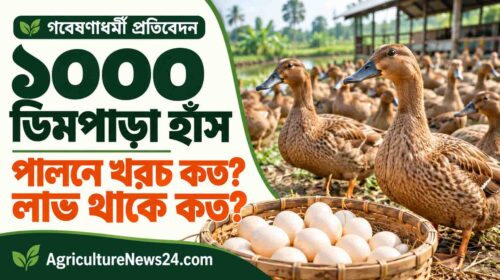

















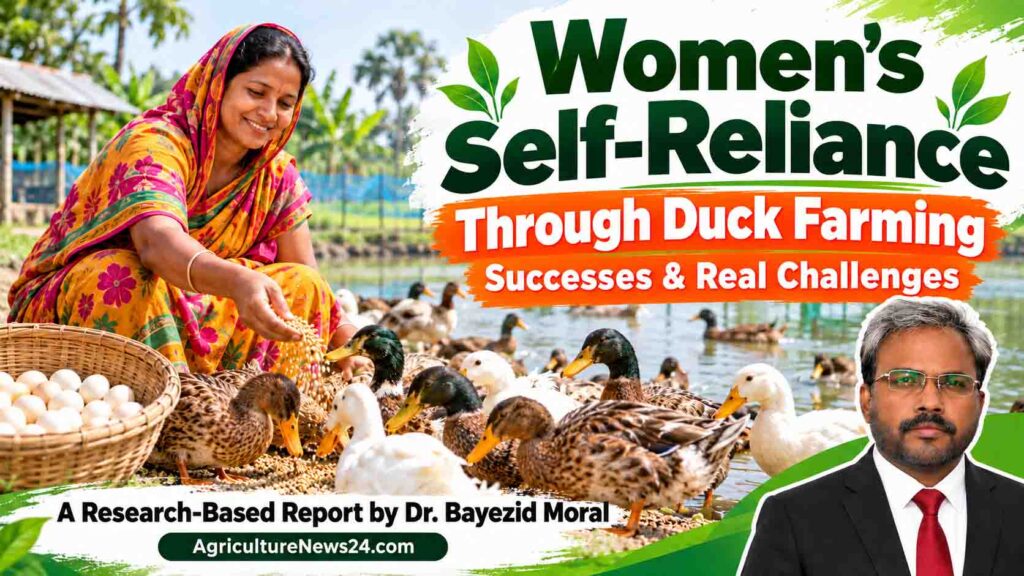
হাঁস পালন করে নারীর স্বাবলম্বিতা: সফলতা ও বাস্তব বাধা
ড. বায়েজিদ মোড়লের গবেষণাধর্মী প্রতিবেদন

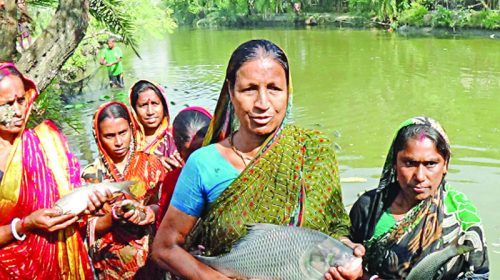
ভোরে হাঁসের ঘর খুলে দেওয়া, খাবার ও পানি দেওয়া, ডিম সংগ্রহ, অসুস্থ হাঁস আলাদা করা—গ্রামের অনেক নারীর দিনের শুরু হয় এসব কাজ দিয়ে। এরপর রান্না, সন্তানদের দেখাশোনা, ঘরের কাজ। হাঁসের যত্ন চলে সংসারের দায়িত্বের পাশাপাশি। কিন্তু এই শ্রমের বিনিময়ে পাওয়া আয় কি তাঁর নিজের হাতে থাকে? খামার বড় করার সিদ্ধান্ত কি তিনি নিতে পারেন? নাকি হাঁস পালন তাঁর কাজ বাড়ালেও অর্থনৈতিক স্বাধীনতা খুব বেশি বাড়ায় না?
হাঁস পালন নারীর জন্য আয়ের একটি কার্যকর সুযোগ হতে পারে। বিশেষ করে যেসব এলাকায় জলাশয়, প্রাকৃতিক খাবার এবং হাঁসের ডিম ও মাংসের বাজার রয়েছে, সেখানে ছোট পরিসরের খামার পারিবারিক জীবিকায় অবদান রাখতে পারে। তবে হাঁস কিনে দিলেই একজন নারী স্বাবলম্বী হয়ে যান না। প্রয়োজন পালনদক্ষতা, চলতি পুঁজি, রোগ প্রতিরোধের ব্যবস্থা, ন্যায্যমূল্যে বিক্রির সুযোগ এবং অর্জিত অর্থ ব্যবহারের অধিকার।
বাংলাদেশের বিভিন্ন অঞ্চলে পরিচালিত গবেষণা সেই সম্ভাবনা ও সীমাবদ্ধতা—দুই দিকই তুলে ধরেছে। এই প্রতিবেদন প্রকাশিত গবেষণার তথ্য ও তার বিশ্লেষণের ভিত্তিতে সাজানো হয়েছে; কোনো কাল্পনিক ব্যক্তিগত সফলতার ঘটনাকে বাস্তব সাক্ষাৎকার হিসেবে উপস্থাপন করা হয়নি।
গবেষণা কী বলছে: আয় বাড়ার সুযোগ আছে
মৌলভীবাজারের হাকালুকি হাওর এলাকায় ৮০ জন নারী হাঁস পালনকারীর সাক্ষাৎকারের ভিত্তিতে পরিচালিত একটি গবেষণায় দেখা যায়, হাঁস পালন তাঁদের আর্থসামাজিক অবস্থার উন্নতি ও অর্থনৈতিক ক্ষমতায়নে ভূমিকা রেখেছে। গবেষণাটি The Agriculturists সাময়িকীর ২০১৫ সালের সংখ্যায় অন্তর্ভুক্ত এবং ২০১৬ সালে অনলাইনে প্রকাশিত হয়। এটি দেখায়, স্থানীয় পরিবেশ ও সুযোগের সঙ্গে মানানসই হাঁস পালন নারীর জীবিকা উন্নয়নের একটি পথ হতে পারে। তবে একটি এলাকার সীমিত নমুনার ফলকে দেশের সব নারীর পরিস্থিতি হিসেবে ধরে নেওয়া যাবে না।
অন্যদিকে কিশোরগঞ্জের করিমগঞ্জ উপজেলার পাঁচটি গ্রামের ৫০টি হাঁসের খামার নিয়ে করা গবেষণায় একটি গুরুত্বপূর্ণ বৈপরীত্য পাওয়া যায়। হাঁস পালনের মোট শ্রমঘণ্টার প্রায় ৫১ শতাংশ নারীরা দিয়েছেন, কিন্তু পরিবারের সিদ্ধান্ত গ্রহণে তাঁদের অংশগ্রহণ সন্তোষজনক ছিল না। অর্থাৎ উৎপাদনে বড় ভূমিকা থাকলেও সেই অনুপাতে সিদ্ধান্তের অধিকার নিশ্চিত হয়নি।
এই দুই গবেষণা পাশাপাশি রাখলে একটি বিষয় স্পষ্ট হয়: হাঁস পালন থেকে আয় এবং নারীর স্বাবলম্বিতা সম্পর্কিত হলেও এক বিষয় নয়। আয় বাড়ার সঙ্গে সেই আয় নিয়ন্ত্রণের ক্ষমতাও বাড়তে হবে।
হাঁস পালন কেন নারীর জন্য সম্ভাবনাময়
হাঁস পালনের একটি সুবিধা হলো, স্থানীয় পরিস্থিতি অনুকূল হলে বাড়ির আশপাশ থেকেই ছোট পরিসরে কাজ শুরু করা যায়। ডিম সংগ্রহ ও বিক্রির মাধ্যমে নিয়মিত নগদ অর্থ আসার সুযোগ তৈরি হয়। পরিবারের খাবারের জন্য কিছু ডিম রাখা গেলে পুষ্টিতেও অবদান রাখতে পারে।
তবে সংসারের কাছাকাছি কাজ করার সুবিধাকে নারীর অবসর সময়ের প্রমাণ হিসেবে দেখা ঠিক হবে না। রান্না, সন্তান ও বয়স্ক মানুষের যত্ন, পানি সংগ্রহ এবং অন্যান্য কাজের পর হাঁস পালনের দায়িত্ব যোগ হলে তাঁর কর্মদিবস আরও দীর্ঘ হতে পারে। তাই খামারের পরিকল্পনায় পরিবারের অন্য সদস্যদের দায়িত্বও নির্ধারণ করা প্রয়োজন।
হাঁস পালন শেখার মধ্য দিয়ে একজন নারী খাবার কেনা, উৎপাদন হিসাব রাখা, ক্রেতার সঙ্গে দরদাম এবং সঞ্চয়ের অভ্যাস গড়ে তুলতে পারেন। এসব দক্ষতা খামারের বাইরেও কাজে লাগে। তবে এই পরিবর্তন ঘটার জন্য তাঁকে প্রশিক্ষণ ও বাজারের সঙ্গে সরাসরি যুক্ত হওয়ার সুযোগ দিতে হবে।
সফলতা মাপতে শুধু হাঁসের সংখ্যা যথেষ্ট নয়
একজন নারী ২০টি হাঁস থেকে ১০০টি হাঁসে পৌঁছেছেন—এটি খামার বৃদ্ধির লক্ষণ। কিন্তু তাঁর ঋণও যদি বেড়ে যায়, নিজের হাতে টাকা না থাকে কিংবা প্রতিদিনের কাজ অসহনীয় হয়ে ওঠে, তাহলে সেটিকে পূর্ণ সফলতা বলা কঠিন।
নারীর স্বাবলম্বিতা মূল্যায়নের জন্য কয়েকটি বিষয় একসঙ্গে দেখা প্রয়োজন।
| মূল্যায়নের বিষয় | যে প্রশ্নটি করতে হবে |
|---|---|
| প্রকৃত আয় | সব খরচ বাদ দেওয়ার পর কত টাকা থাকে? |
| অর্থের নিয়ন্ত্রণ | বিক্রির টাকা নারী নিজে গ্রহণ ও ব্যবহার করতে পারেন কি? |
| সিদ্ধান্তের অধিকার | হাঁস কেনা, বিক্রি ও খামার সম্প্রসারণে তাঁর মত কার্যকর কি? |
| শ্রমের মূল্য | তাঁর কাজের সময় হিসাব করা হচ্ছে কি? |
| সঞ্চয় ও নিরাপত্তা | রোগ বা বাজারের ধাক্কা সামলানোর অর্থ আছে কি? |
| জীবনমান | আয় বাড়ার পাশাপাশি বিশ্রাম, স্বাস্থ্য ও পারিবারিক অবস্থার উন্নতি হচ্ছে কি? |
এই প্রশ্নগুলোর উত্তর ছাড়া শুধু হাঁস বিতরণ বা খামারসংখ্যা দিয়ে কোনো কর্মসূচির সাফল্য বিচার করলে বাস্তব অবস্থার বড় অংশ আড়ালে থেকে যায়।
প্রথম বাধা: খাদ্যের খরচ ও মৌসুমি পরিবর্তন
প্রাকৃতিক খাবার পাওয়া যায় বলে হাঁসের কোনো খাদ্য খরচ নেই—এমন ধারণা নিয়ে খামার শুরু করা ঝুঁকিপূর্ণ। জলাশয়ে খাবারের প্রাপ্যতা সারা বছর এক থাকে না। হাঁসের বয়স, জাত, উৎপাদনের লক্ষ্য ও পালনপদ্ধতি অনুযায়ী বাড়তি খাবারের প্রয়োজনও বদলায়।
কিশোরগঞ্জের গবেষণায় খাদ্যের উচ্চমূল্য হাঁস পালনকারীদের অন্যতম সমস্যার মধ্যে ছিল। একই গবেষণায় ঋণ, প্রশিক্ষণ, চিকিৎসাসেবা এবং বাজারে প্রবেশের সীমাবদ্ধতাও উঠে আসে।
এ কারণে খামার শুরু করার আগে শুধু আজকের খাদ্য খরচ হিসাব করলে চলবে না। যে মৌসুমে প্রাকৃতিক খাবার কমবে, তখন কত টাকা লাগতে পারে, সেটিও দেখতে হবে। খাদ্য কেনার অর্থ না থাকলে উৎপাদন কমতে পারে; উৎপাদন কমলে আবার খাবার কেনার সামর্থ্য আরও কমে যায়।
ছোট খামারের জন্যও অন্তত একটি মৌসুমি পরিকল্পনা দরকার: কখন প্রাকৃতিক খাবার বেশি পাওয়া যায়, কখন বাড়তি খাবার লাগবে এবং সেই সময়ের টাকা কোথা থেকে আসবে।
দ্বিতীয় বাধা: রোগ হলে ছোট সঞ্চয়ও শেষ হয়ে যেতে পারে
হাঁস অসুস্থ হলে শুধু একটি পাখির ক্ষতি হয় না। চিকিৎসা খরচ, উৎপাদন কমে যাওয়া এবং মৃত্যু—সব মিলিয়ে খামারের নগদ প্রবাহ ব্যাহত হয়। ঋণের কিস্তি থাকলে চাপ আরও বাড়ে।
রোগের ঝুঁকি সামলাতে নারী পালনকারীকে খামারের শুরু থেকেই স্থানীয় প্রাণিসম্পদ দপ্তর বা নিবন্ধিত চিকিৎসকের সঙ্গে যোগাযোগ গড়ে তুলতে হবে। বয়স, এলাকার রোগঝুঁকি ও প্রযোজ্য টিকার ভিত্তিতে প্রতিরোধ পরিকল্পনা করা প্রয়োজন। অসুস্থ হাঁস দ্রুত আলাদা করা এবং অস্বাভাবিক মৃত্যু বা হঠাৎ উৎপাদন কমে গেলে পরামর্শ নেওয়ার ব্যবস্থাও থাকতে হবে।
এখানে সেবার দূরত্ব গুরুত্বপূর্ণ। একজন নারী খামারের প্রধান পরিচর্যাকারী হলেও বাইরে যাওয়া বা চিকিৎসক ডাকার সুযোগ সীমিত হলে রোগ শনাক্ত করার পরও ব্যবস্থা নিতে দেরি হতে পারে। তাই নারীকে সরাসরি সেবার যোগাযোগ নম্বর ও সিদ্ধান্ত নেওয়ার সুযোগ দেওয়া প্রয়োজন।
তৃতীয় বাধা: ঋণ পাওয়া এবং ঋণ সামলানো আলাদা বিষয়
হাঁসের বাচ্চা, ঘর, খাবারের পাত্র ও পানির ব্যবস্থার জন্য শুরুতে অর্থ লাগে। এরপর আয় আসার আগ পর্যন্ত খাবার ও পরিচর্যার খরচ চালাতে হয়। ডিম উৎপাদনের খামারে এই অপেক্ষার সময় বিশেষভাবে বিবেচনা করা জরুরি।
ঋণ নিয়ে হাঁস কেনার পর যদি দ্রুত কিস্তি শুরু হয়, অথচ খামার তখনও আয় না করে, তাহলে সংসারের অন্য আয় দিয়ে কিস্তি দিতে হয়। কখনো খাবারের টাকা কমিয়ে কিস্তি দেওয়া হয়। এতে খামার দুর্বল হয়ে পড়ে।
নারী উদ্যোক্তার অর্থায়ন তাই তাঁর উৎপাদনচক্রের সঙ্গে সামঞ্জস্যপূর্ণ হওয়া দরকার। ঋণের পরিমাণ নির্ধারণের আগে দেখতে হবে তিনি কত হাঁস সামলাতে পারবেন, কতদিন আয় ছাড়া চলতে হবে এবং খারাপ পরিস্থিতিতে কিস্তি কীভাবে দেওয়া সম্ভব হবে।
শুধু শুরুর পুঁজি নয়, চলতি খরচের পুঁজিও প্রয়োজন।
চতুর্থ বাধা: পালন করেন নারী, বাজার নিয়ন্ত্রণ করেন অন্যজন
নারী প্রতিদিন হাঁসের পরিচর্যা করেন, কিন্তু ডিম বিক্রির দাম বা টাকা গ্রহণের দায়িত্ব অন্য কারও হাতে থাকতে পারে। পরিবারের সদস্যের সহযোগিতা উপকারী। তবে নারী যদি উৎপাদনের পরিমাণ, বিক্রির দাম ও টাকা কোথায় যাচ্ছে—কিছুই জানতে না পারেন, তাহলে তাঁর অর্থনৈতিক অধিকার সীমিত থাকে।
সম্ভাব্য সমাধান হলো বিক্রির হিসাব তাঁর কাছে রাখা, একাধিক ক্রেতার দাম জানা এবং তাঁর নিজের নামে ব্যাংক বা মোবাইল আর্থিক সেবার হিসাবে টাকা গ্রহণের সুযোগ তৈরি করা। কোনো পরিবারের পক্ষে যে ব্যবস্থা বাস্তবসম্মত, সেটিই বেছে নেওয়া যায়; মূল কথা, নারী যেন আয় ও লেনদেন সম্পর্কে অবহিত থাকেন এবং সিদ্ধান্তে অংশ নেন।
স্থানীয় নারী পালনকারীরা একসঙ্গে ডিম সংগ্রহ ও বিক্রির উদ্যোগও নিতে পারেন। এতে পরিবহন ব্যয় ভাগ করা এবং বড় ক্রেতার সঙ্গে যোগাযোগের সুযোগ তৈরি হতে পারে। তবে যৌথ উদ্যোগে হিসাব, টাকা বণ্টন ও দায়িত্বের নিয়ম শুরুতেই স্পষ্ট করতে হবে।
পঞ্চম বাধা: নিজের শ্রমকে বিনা খরচে ধরা
একজন নারী দিনে দুই ঘণ্টা খামারে কাজ করলে মাসে তাঁর প্রায় ৬০ ঘণ্টা শ্রম লাগে। এই সময়ের মূল্য শূন্য ধরে হিসাব করলে খামারের লাভ বাস্তবের চেয়ে বেশি দেখায়।
হাঁস পালন থেকে পাওয়া নগদ উদ্বৃত্ত এবং সব সম্পদের মূল্য ধরে হিসাব করা লাভ আলাদা। প্রথমটি জানায় হাতে কত টাকা থাকল। দ্বিতীয়টি জানায় শ্রম, ঘর ও বিনিয়োগের মূল্য বিবেচনায় উদ্যোগটি কতটা লাভজনক।
নারীর শ্রমকে হিসাবের মধ্যে আনা মানে পরিবারের প্রতিটি কাজের জন্য সঙ্গে সঙ্গে নগদ বেতন দেওয়া নয়। এর অর্থ হলো তাঁর অবদানকে দৃশ্যমান করা এবং খামার বড় করার আগে বাড়তি কাজের মূল্য ও দায়িত্ব নিয়ে আলোচনা করা।
১০০টি হাঁসের একটি উদাহরণ: বিক্রির টাকা কেন পুরো লাভ নয়
নিচের হিসাবটি শুধু বোঝানোর জন্য তৈরি একটি অনুমানভিত্তিক মাসিক উদাহরণ। এটি বর্তমান বাজারদরের জরিপ বা লাভের নিশ্চয়তা নয়। স্থানীয় ডিম ও খাদ্যের দাম, হাঁসের উৎপাদন, বয়স এবং পালনপদ্ধতি অনুযায়ী অঙ্ক বদলাবে।
ধরা যাক, একটি খামারে ১০০টি ডিমপাড়া মাদি হাঁস আছে। গড়ে প্রতিদিন ৬০টি বিক্রিযোগ্য ডিম পাওয়া যায় এবং প্রতিটি ডিমের দাম ধরা হয়েছে ১৩ টাকা।
| হিসাবের খাত | মাসিক পরিমাণ |
|---|---|
| ডিম বিক্রি: ৬০ × ৩০ × ১৩ টাকা | ২৩,৪০০ টাকা |
| কেনা খাদ্যের অনুমিত খরচ | ১৫,০০০ টাকা |
| স্বাস্থ্যব্যবস্থা, পরিবহন ও অন্যান্য নগদ খরচ | ২,৫০০ টাকা |
| নগদ খরচ বাদে উদ্বৃত্ত | ৫,৯০০ টাকা |
| মালিকের শ্রমের অনুমিত মূল্য | ৩,০০০ টাকা |
| ঘর ও সরঞ্জামের অবচয়, হাঁস প্রতিস্থাপনের জন্য বরাদ্দ | ১,৫০০ টাকা |
| এসব মূল্য বাদে অবশিষ্ট | ১,৪০০ টাকা |
এই হিসাবের খাদ্য ব্যয় কোনো নির্ধারিত খাদ্যমাত্রার নির্দেশনা নয়। ঋণের সুদ, জমি বা জলাশয়ের ভাড়া এবং অন্য প্রযোজ্য খরচ থাকলে সেগুলোও যোগ করতে হবে। আবার পরিবারের জন্য ডিম রাখা হলে তার মূল্য আলাদাভাবে নথিভুক্ত করা যায়।
একই উদাহরণে প্রতিদিন ডিম ৬০টির বদলে ৫০টি হলে মাসিক বিক্রি হবে ১৯,৫০০ টাকা। অন্য খরচ অপরিবর্তিত থাকলে সব দেখানো খরচের পর ২,৫০০ টাকা ঘাটতি হবে। অর্থাৎ উৎপাদনের সামান্য পরিবর্তনও লাভকে লোকসানে বদলে দিতে পারে।
এ জন্য সফলতার গল্পে কত ডিম বিক্রি হয়েছে জানার পাশাপাশি কত খরচ হয়েছে, কত হাঁস মারা গেছে এবং নিজের শ্রম ধরা হয়েছে কি না—সেটিও জানতে হবে।
গবেষণার পুরোনো লাভের অঙ্ক আজ সরাসরি ব্যবহার করা যাবে না
২০২০ সালের একটি গবেষণায় হাওরের পরিবারের অধীনে জিনডিং হাঁসের বাচ্চা পালন এবং বাড়তি খাদ্য দেওয়ার বিভিন্ন ব্যবস্থা পরীক্ষা করা হয়। নির্দিষ্ট পরীক্ষাপরিস্থিতিতে দৈনিক ২৫ গ্রাম বাড়তি খাদ্য দেওয়া দলটির প্রতি হাঁসের নিট আয় তুলনামূলকভাবে ভালো ছিল। গবেষণাটি স্থানীয় প্রাকৃতিক খাবারের সঙ্গে পরিকল্পিত পরিপূরক খাদ্য ব্যবস্থাপনার গুরুত্ব তুলে ধরে।
তবে এটি ছিল হাঁসের বাচ্চার বৃদ্ধি ও আয়ের পরীক্ষা। এর ফল থেকে প্রাপ্তবয়স্ক ডিমপাড়া হাঁসের খাদ্যের পরিমাণ নির্ধারণ করা যাবে না। একইভাবে সেই সময়ের খাদ্যদর ও বিক্রয়মূল্যের ভিত্তিতে পাওয়া লাভকে ২০২৬ সালের লাভ হিসেবে ব্যবহার করাও ঠিক হবে না।
গবেষণা থেকে ব্যবস্থাপনার শিক্ষা নেওয়া যায়; বর্তমান ব্যবসার হিসাব করতে স্থানীয় দাম ও নিজের উৎপাদনের তথ্য লাগবে।
নতুন নারী উদ্যোক্তা কীভাবে এগোবেন
শুরুতে যত হাঁসের পরিচর্যা, খাবার ও বাজার নিশ্চিত করা সম্ভব, ততটুকু পরিসর বেছে নেওয়া ভালো। প্রশিক্ষণ, নিরাপদ ঘর ও ক্রেতা নিশ্চিত হওয়ার আগেই বড় ঋণ নিয়ে অনেক হাঁস কেনা চাপ বাড়াতে পারে।
একটি সহজ খাতায় প্রতিদিন পাঁচটি তথ্য রাখা যায়: মোট হাঁস, ডিমের সংখ্যা, খাবারের খরচ, বিক্রির টাকা এবং অসুস্থতা বা মৃত্যু। মাস শেষে এই খাতাই জানাবে খামার চলছে কীভাবে।
বাচ্চা কিনে ডিম উৎপাদনের দিকে এগোলে বাচ্চার লিঙ্গ, জাত, বয়স ও উৎস সম্পর্কে নিশ্চিত তথ্য জরুরি। ডিম উৎপাদনের জন্য শুধু ডিম বিক্রির লক্ষ্য থাকলে পুরুষ হাঁসের প্রয়োজন এবং প্রজননের পরিকল্পনা এক নয়—কেনার আগে উদ্দেশ্য স্পষ্ট করতে হবে।
খামার বড় করার সিদ্ধান্ত নেওয়া উচিত কয়েক মাসের হিসাব, মৌসুমি অভিজ্ঞতা এবং নিজের কাজের সক্ষমতা দেখে। শুধু একটি ভালো মাস দেখে সম্প্রসারণ করলে পরের কঠিন মৌসুমে সমস্যা হতে পারে।
পরিবার, সরকার ও উন্নয়ন সংস্থার করণীয়
পরিবারের সহযোগিতা মানে শুধু হাঁস কেনার টাকা দেওয়া নয়। পরিচর্যার দায়িত্ব ভাগ করা, নারীর বিশ্রামের সুযোগ রাখা এবং বিক্রি ও বিনিয়োগের সিদ্ধান্তে তাঁর মত কার্যকর করাও প্রয়োজন।
সরকার ও উন্নয়ন সংস্থার কর্মসূচিতে হাঁস বিতরণের সঙ্গে প্রশিক্ষণ, স্থানীয় চিকিৎসাসেবার সংযোগ, চলতি পুঁজির পরিকল্পনা এবং বাজারের যোগাযোগ যুক্ত করা উচিত। প্রশিক্ষণ এমন সময় ও স্থানে হতে হবে, যেখানে নারীরা বাস্তবে উপস্থিত হতে পারেন।
কর্মসূচির মূল্যায়নেও পরিবর্তন দরকার। কতজন নারী হাঁস পেয়েছেন—এর পাশাপাশি দেখতে হবে কতজনের খামার টিকে আছে, কতজন ঋণ সামলাতে পারছেন, কার নিজের সঞ্চয় হয়েছে এবং কার সিদ্ধান্ত নেওয়ার অধিকার বেড়েছে।
সফল নারী পালনকারীদের স্থানীয় প্রশিক্ষক হিসেবে যুক্ত করা যেতে পারে। তবে তাঁদের অভিজ্ঞতা তুলে ধরার সময় লাভের পাশাপাশি ব্যর্থতা, ক্ষতি ও কাজের চাপও আলোচনা করতে হবে। এতে নতুন উদ্যোক্তা প্রস্তুত হয়ে শুরু করতে পারবেন।
স্বাবলম্বিতার লক্ষ্য: নিজের আয়ের ওপর নিজের অধিকার
হাঁস পালন নারীর জীবনে পরিবর্তন আনতে পারে। ডিম বিক্রির নিয়মিত অর্থ সংসারের প্রয়োজন মেটাতে, সঞ্চয় করতে এবং নতুন বিনিয়োগের সুযোগ তৈরি করতে পারে। কিন্তু সেই পরিবর্তন স্থায়ী করতে খাদ্য, রোগ, পুঁজি ও বাজারের বাধার সঙ্গে পরিবারের ভেতরের সিদ্ধান্তের প্রশ্নটিও সমাধান করতে হবে।
যে নারী হাঁসের যত্ন করেন, তাঁকে খামারের হিসাব ও সিদ্ধান্তেও জায়গা দিতে হবে। তাঁর শ্রমের মূল্য স্বীকার করতে হবে। লাভের টাকা ব্যবহার করার অধিকার এবং ক্ষতির সময় সহায়তা থাকতে হবে।
নারীর হাঁসের খামার সফল হয়েছে তখনই, যখন খামারের সঙ্গে তাঁর আয়, সঞ্চয়, দক্ষতা ও সিদ্ধান্ত নেওয়ার ক্ষমতাও বেড়েছে।
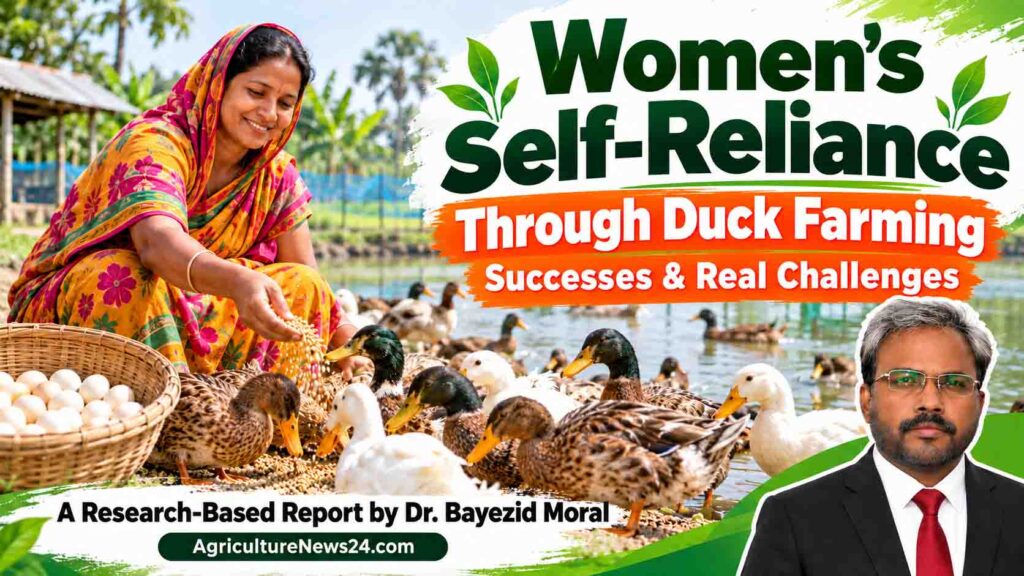
Women’s Self-Reliance Through Duck Farming: Successes and Practical Barriers
A research-based report by Dr. Bayezid Moral
Opening the duck shelter at dawn, providing feed and water, collecting eggs, and separating sick birds—these tasks mark the beginning of the day for many rural women. Cooking, childcare, and household chores follow. Duck farming continues alongside their domestic responsibilities. But does the income from this work remain in their hands? Can they decide whether to expand the farm? Or does duck farming increase their workload without substantially increasing their financial independence?
Duck farming can provide women with a practical source of income. In areas with suitable water bodies, natural feed resources, and markets for duck eggs and meat, small farms can contribute to household livelihoods. However, providing a woman with ducks does not automatically make her self-reliant. She also needs farming skills, working capital, disease prevention support, access to fair markets, and the right to use her earnings.
Research conducted in different parts of Bangladesh highlights both the opportunities and the limitations. This report draws on published research and analysis; no fictional success story is presented as a real interview.
What Research Shows: Opportunities to Increase Income
A study based on interviews with 80 women duck farmers in the Hakaluki Haor area of Moulvibazar found that duck farming contributed to improvements in their socioeconomic conditions and economic empowerment. The study appeared in the 2015 issue of The Agriculturists and was published online in 2016. It suggests that duck farming suited to local conditions can help improve women’s livelihoods. However, findings from a limited sample in one area should not be treated as representative of all women in Bangladesh.
Another study covering 50 duck farms in five villages of Karimganj Upazila, Kishoreganj, identified an important imbalance. Women contributed approximately 51% of the total working hours devoted to duck farming, yet their participation in household decision-making was unsatisfactory. Their substantial role in production did not translate into a corresponding level of decision-making authority.
Together, these findings indicate that income from duck farming and women’s self-reliance are related, but they are not equivalent. Increased income must be accompanied by greater control over that income.
Why Duck Farming Offers Opportunities for Women
One advantage of duck farming is that, where local conditions are suitable, women can begin on a small scale near their homes. Collecting and selling eggs can generate regular cash income. Keeping some eggs for household consumption can also contribute to family nutrition.
However, the ability to work close to home should not be interpreted as evidence that women have spare time. Duck farming can lengthen an already demanding day of cooking, caring for children and older family members, collecting water, and completing other tasks. A farm plan should therefore include responsibilities for other household members.
Through duck farming, a woman can develop skills in purchasing feed, recording production, negotiating with buyers, and saving money. These skills can be useful beyond the farm. For these benefits to emerge, she needs access to training and opportunities to engage directly with markets.
Success Requires More Than an Increase in Duck Numbers
Expanding from 20 ducks to 100 indicates farm growth. But if a woman’s debts also increase, she has no control over her earnings, or her daily workload becomes unmanageable, that growth cannot be considered complete success.
Several factors should be assessed together.
| Area of assessment | Key question |
|---|---|
| Actual income | How much remains after all costs are deducted? |
| Control over money | Can the woman receive and use the sales proceeds herself? |
| Decision-making authority | Does her opinion influence duck purchases, sales, and farm expansion? |
| Value of labour | Is her working time included in the calculation? |
| Savings and security | Are funds available to withstand disease outbreaks or market shocks? |
| Quality of life | Are income gains accompanied by improvements in rest, health, and family circumstances? |
Without answering these questions, judging a programme solely by the number of ducks distributed or farms established leaves much of the reality unexamined.
First Barrier: Feed Costs and Seasonal Changes
Starting a farm on the assumption that ducks require no purchased feed because they can forage is risky. Natural feed availability in water bodies changes throughout the year. Supplementary feed requirements also vary according to the ducks’ age, breed, production goals, and farming system.
The Kishoreganj study identified high feed costs as one of the problems faced by duck farmers. It also reported limitations in access to credit, training, veterinary services, and markets.
A farm plan must therefore consider more than today’s feed expenses. It should estimate how much money may be needed when natural food becomes scarce. A shortage of money for feed can reduce production, which can further weaken the farmer’s ability to purchase feed.
Even a small farm needs a seasonal plan: when natural food is available, when supplementary feed will be necessary, and how those expenses will be financed.
Second Barrier: Disease Can Wipe Out Small Savings
When ducks become sick, the loss extends beyond individual birds. Treatment expenses, reduced production, and deaths can disrupt the farm’s cash flow. Loan repayments can add further pressure.
From the beginning, women farmers should establish contact with the local livestock office or a registered veterinarian. Disease prevention plans should reflect the birds’ age, local disease risks, and applicable vaccines. Farmers also need arrangements for separating sick ducks promptly and obtaining advice when unusual deaths or sudden production declines occur.
The accessibility of services matters. A woman may be the farm’s principal caregiver, yet restrictions on travelling or calling a veterinarian can delay action after she identifies a problem. She therefore needs direct access to service contacts and the authority to seek assistance.
Third Barrier: Obtaining a Loan and Managing It Are Different Challenges
Ducklings, housing, feeders, and water facilities require initial investment. Feed and care must then be financed before the farm begins generating income. This waiting period is particularly important for farms established to produce eggs.
If repayments begin soon after ducks are purchased, while the farm has yet to earn revenue, the household must use other income to pay the instalments. Sometimes farmers reduce feed spending to meet repayments, weakening the farm.
Financing for women entrepreneurs should therefore match the production cycle. Before deciding on a loan amount, lenders and farmers should assess how many ducks the woman can manage, how long she must operate without income, and how repayments could be met under unfavourable conditions.
Working capital is just as necessary as the money used to establish the farm.
Fourth Barrier: Women Raise the Ducks, but Others Control the Market
A woman may care for the ducks every day while someone else sets the selling price or receives the money. Assistance from family members can be valuable. However, if she does not know the production volume, selling price, or destination of the proceeds, her economic authority remains limited.
Possible measures include keeping sales records accessible to her, checking prices offered by several buyers, and enabling payments into a bank or mobile financial services account in her name. Households can choose arrangements suited to their circumstances. The essential requirement is that the woman understands the transactions and participates in decisions.
Local women farmers can also explore collecting and selling eggs together. This may help them share transport expenses and reach larger buyers. Joint ventures, however, need clear rules for recordkeeping, payment distribution, and responsibilities from the outset.
Fifth Barrier: Treating Women’s Labour as Free
If a woman spends two hours a day working on the farm, she contributes approximately 60 hours of labour each month. Assigning that time no value makes the farm appear more profitable than it actually is.
Cash surplus and profit calculated after accounting for all resources are different measures. The first shows how much cash remains. The second considers the value of labour, housing, and investment to assess the enterprise’s economic performance.
Including women’s labour in the accounts does not mean every household task must immediately receive a cash wage. It means recognising their contribution and discussing the value and distribution of additional work before expanding the farm.
An Example with 100 Ducks: Why Sales Revenue Is Not All Profit
The following is an illustrative monthly calculation based on assumptions. It is not a survey of current market prices or a guarantee of profit. Actual figures will vary with local egg and feed prices, production, bird age, and farming practices.
Assume a farm has 100 laying female ducks, produces an average of 60 saleable eggs a day, and receives BDT 13 per egg.
| Item | Monthly amount |
|---|---|
| Egg sales: 60 × 30 × BDT 13 | BDT 23,400 |
| Assumed purchased feed cost | BDT 15,000 |
| Health management, transport, and other cash expenses | BDT 2,500 |
| Surplus after cash expenses | BDT 5,900 |
| Assumed value of the owner’s labour | BDT 3,000 |
| Allowance for housing and equipment depreciation and duck replacement | BDT 1,500 |
| Amount remaining after these allowances | BDT 1,400 |
The assumed feed expense is not a feeding recommendation. Loan interest, land or water-body rent, and other applicable expenses must also be included. Eggs retained for household consumption can be recorded separately at an appropriate value.
In the same example, if daily egg output falls from 60 to 50, monthly sales decline to BDT 19,500. With the other costs unchanged, the farm would face a BDT 2,500 shortfall after all the listed expenses. A modest change in production can therefore turn profit into loss.
A success story should report not only how many eggs were sold, but also the costs, duck deaths, and whether the owner’s labour was included.
Historical Profit Figures Cannot Be Applied Directly Today
A study published in 2020 examined the growth and returns of Jinding ducklings raised by haor households under different supplementary feeding arrangements. Under the specific experimental conditions, the group receiving 25 grams of supplementary feed per duck per day achieved comparatively better net returns per bird. The findings highlight the importance of planned supplementary feeding alongside local natural food resources.
However, this was an experiment involving duckling growth and returns. Its findings should not be used to determine feed quantities for adult laying ducks. Likewise, profits calculated using feed and selling prices from that period should not be presented as 2026 profit estimates.
Research can inform management decisions. A current business calculation requires local prices and the farm’s own production records.
How New Women Entrepreneurs Can Proceed
The initial flock should match the number of ducks the farmer can care for, feed, and sell products from reliably. Taking a large loan to purchase many ducks before securing training, safe housing, and buyers can create unnecessary pressure.
A simple notebook can record five daily items: the number of ducks, egg production, feed expenses, sales receipts, and illness or deaths. At the end of each month, these records will help reveal how the farm is performing.
When purchasing ducklings for future egg production, reliable information about sex, breed, age, and source is essential. Producing eggs for consumption and producing fertile eggs for breeding have different requirements regarding male ducks. The farming objective should be clear before purchases are made.
Expansion decisions should follow several months of records, experience across seasonal conditions, and an assessment of the farmer’s working capacity. Expanding after just one good month can create difficulties in the next challenging season.
What Families, Government, and Development Organisations Should Do
Family support involves more than providing money to purchase ducks. It includes sharing care duties, allowing women time to rest, and ensuring that their views influence sales and investment decisions.
Government and development programmes should combine duck distribution with training, links to local veterinary services, working-capital planning, and market connections. Training must be scheduled at times and locations women can realistically attend.
Programme evaluation should also change. Alongside the number of women receiving ducks, it should examine how many farms survive, how many farmers can manage their debts, who has accumulated personal savings, and whose decision-making authority has increased.
Experienced women farmers can be involved as local trainers. Their accounts should cover losses, setbacks, and workload as well as earnings. This helps new entrepreneurs begin with realistic expectations and better preparation.
The Goal of Self-Reliance: Control Over One’s Own Earnings
Duck farming can bring meaningful change to women’s lives. Regular income from egg sales can meet household needs, support savings, and create opportunities for investment. Sustaining that change requires attention to feed, disease, finance, and markets, together with decision-making within the household.
The woman who cares for the ducks must also have a place in the farm’s accounts and decisions. Her labour should be recognised. She needs the right to use the profits and access to support when losses occur.
A woman’s duck farm has succeeded when her income, savings, skills, and decision-making power have grown alongside the farm.
References
- Khanum, R., and Salim Al Mahadi, M. Economic Empowerment of Haor Women through Duck Farming in Bangladesh. The Agriculturists, 13(1), 18–25.
- Afrin, H., et al. Profitability Analysis and Gender Division of Labour in Duck Rearing: A Case of Kishoreganj District in Bangladesh. Progressive Agriculture, 27(4), 482–489.
- Parvez, S., Miah, M. Y., and Khan, M. H. Smallholder Duck Farming: A Potential Source of Livelihood in Haor Women in Bangladesh. Asian Journal of Medical and Biological Research, 2020, 6(1), 73–80.