















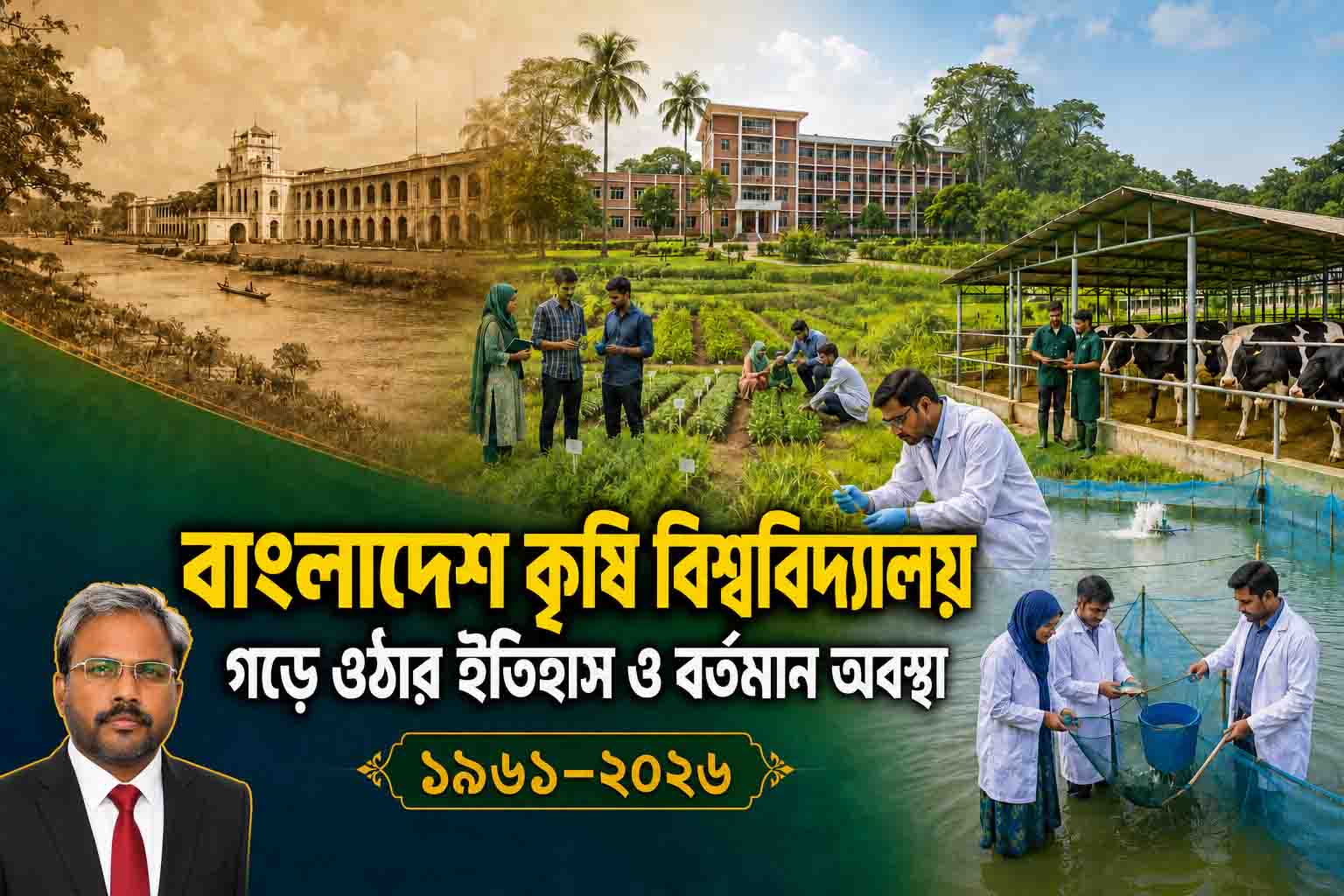
বাংলাদেশ কৃষি বিশ্ববিদ্যালয়: প্রতিষ্ঠার ইতিহাস, অবদান ও বর্তমান অবস্থা।।
ড. বায়েজিদ মোড়লের গবেষণাধর্মী প্রতিবেদন।।
বাংলাদেশের কৃষি, মৎস্য ও প্রাণিসম্পদ খাতের আধুনিকায়নে যেসব প্রতিষ্ঠান সবচেয়ে বড় ভূমিকা রেখেছে, বাংলাদেশ কৃষি বিশ্ববিদ্যালয়—সংক্ষেপে বাকৃবি—তাদের মধ্যে অন্যতম। ষাটের দশকে খাদ্যঘাটতি, কৃষির নিম্ন উৎপাদনশীলতা এবং প্রশিক্ষিত কৃষিবিদ ও পশুচিকিৎসকের সংকট মোকাবিলার প্রয়োজন থেকে বিশ্ববিদ্যালয়টির জন্ম। প্রতিষ্ঠার পর ছয় দশকের বেশি সময়ে এটি কৃষিশিক্ষা, গবেষণা ও প্রযুক্তি সম্প্রসারণের জাতীয় কেন্দ্রে পরিণত হয়েছে।
প্রতিষ্ঠার পটভূমি
ব্রিটিশ শাসনামলে পূর্ব বাংলার অর্থনীতি মূলত কৃষিনির্ভর হলেও এ অঞ্চলে কৃষিবিষয়ক উচ্চশিক্ষা ও গবেষণার সুযোগ ছিল অত্যন্ত সীমিত। কৃষকেরা প্রধানত সনাতন পদ্ধতিতে চাষাবাদ করতেন। উন্নত বীজ, সেচব্যবস্থা, রোগবালাই নিয়ন্ত্রণ, পশুপালন এবং আধুনিক কৃষিপ্রযুক্তি সম্পর্কে প্রাতিষ্ঠানিক শিক্ষা ও গবেষণার পর্যাপ্ত ব্যবস্থা গড়ে ওঠেনি।
এ পরিস্থিতিতে ময়মনসিংহে প্রতিষ্ঠিত ভেটেরিনারি কলেজ এবং পশুপালন শিক্ষার কয়েকটি প্রতিষ্ঠান কৃষি ও প্রাণিসম্পদবিষয়ক উচ্চশিক্ষার প্রাথমিক ভিত্তি তৈরি করে। এসব প্রতিষ্ঠানে পশুচিকিৎসক ও প্রাণিসম্পদকর্মী তৈরি হলেও কৃষি, মৎস্য, প্রাণিসম্পদ, কৃষি প্রকৌশল ও কৃষি অর্থনীতিকে সমন্বিত করে শিক্ষা ও গবেষণা পরিচালনার মতো কোনো পূর্ণাঙ্গ বিশ্ববিদ্যালয় তখন ছিল না।
দেশভাগের পর তৎকালীন পূর্ব পাকিস্তানে খাদ্যঘাটতি, কৃষির নিম্ন উৎপাদনশীলতা এবং দক্ষ কৃষিবিদ ও গবেষকের সংকট আরও স্পষ্ট হয়ে ওঠে। ক্রমবর্ধমান জনগোষ্ঠীর খাদ্যের চাহিদা পূরণ এবং কৃষিকে বিজ্ঞানভিত্তিক করতে একটি বিশেষায়িত কৃষি বিশ্ববিদ্যালয় প্রতিষ্ঠার প্রয়োজনীয়তা সামনে আসে।
১৯৫৮ সালের শেষ দিকে পাকিস্তান সরকার জাতীয় শিক্ষা কমিশন গঠন করে। কমিশনের ১৯৫৯ সালের প্রতিবেদনে পূর্ব পাকিস্তানে একটি স্বতন্ত্র কৃষি বিশ্ববিদ্যালয় প্রতিষ্ঠার সুপারিশ করা হয়। একই সময়ে খাদ্য ও কৃষি কমিশনও কৃষির উন্নয়নে উচ্চশিক্ষা, গবেষণা, প্রশিক্ষণ এবং কৃষি সম্প্রসারণ কার্যক্রমকে একই প্রতিষ্ঠানের অধীনে আনার ওপর গুরুত্ব দেয়।
এসব সুপারিশের ভিত্তিতে ময়মনসিংহের পূর্ব পাকিস্তান ভেটেরিনারি কলেজকে কেন্দ্র করে একটি পূর্ণাঙ্গ কৃষি বিশ্ববিদ্যালয় প্রতিষ্ঠার সিদ্ধান্ত নেওয়া হয়। এরই ধারাবাহিকতায় ১৯৬১ সালের ১৮ আগস্ট প্রতিষ্ঠিত হয় পূর্ব পাকিস্তান কৃষি বিশ্ববিদ্যালয়, যা স্বাধীনতার পর বাংলাদেশ কৃষি বিশ্ববিদ্যালয় নামে পরিচিতি লাভ করে।
আনুষ্ঠানিক যাত্রা
দীর্ঘ পরিকল্পনা ও প্রস্তুতির পর ১৯৬১ সালের ১৮ আগস্ট ‘ইস্ট পাকিস্তান এগ্রিকালচারাল ইউনিভার্সিটি অর্ডিন্যান্স, ১৯৬১’ জারির মাধ্যমে ময়মনসিংহে দেশের প্রথম বিশেষায়িত কৃষি বিশ্ববিদ্যালয় প্রতিষ্ঠিত হয়। সে সময় এর নাম রাখা হয়েছিল পূর্ব পাকিস্তান কৃষি বিশ্ববিদ্যালয়। মহান মুক্তিযুদ্ধের মাধ্যমে বাংলাদেশ স্বাধীন হওয়ার পর প্রতিষ্ঠানটির নাম পরিবর্তন করে বাংলাদেশ কৃষি বিশ্ববিদ্যালয় রাখা হয়।
প্রখ্যাত মৃত্তিকাবিজ্ঞানী অধ্যাপক ড. এম. ওসমান গণি ১৯৬১ সালের ২ সেপ্টেম্বর বিশ্ববিদ্যালয়ের প্রথম উপাচার্য হিসেবে দায়িত্ব গ্রহণ করেন। সীমিত জনবল ও অবকাঠামো নিয়ে শুরু হলেও কৃষিশিক্ষা, গবেষণা ও প্রযুক্তি সম্প্রসারণের একটি জাতীয় কেন্দ্র গড়ে তোলার লক্ষ্য ছিল সুদূরপ্রসারী।
যাত্রার শুরুতে বিশ্ববিদ্যালয়টিতে ছিল—
- দুটি অনুষদ—কৃষি অনুষদ ও ভেটেরিনারি সায়েন্স অনুষদ
- ২৩টি শিক্ষা বিভাগ
- ৩০ জন শিক্ষক
- ৪৪৪ জন শিক্ষার্থী
এই ছোট পরিসরের প্রতিষ্ঠানটিই পরবর্তী সময়ে বাংলাদেশের কৃষি, মৎস্য ও প্রাণিসম্পদবিষয়ক উচ্চশিক্ষা ও গবেষণার প্রধান কেন্দ্রে পরিণত হয়।
প্রয়োজনের সঙ্গে ধাপে ধাপে ছয় অনুষদ
দেশের কৃষি ও খাদ্যব্যবস্থার ক্রমবর্ধমান প্রয়োজন বিবেচনায় বিশ্ববিদ্যালয়টির শিক্ষা ও গবেষণার পরিধি দ্রুত সম্প্রসারণ করা হয়। প্রতিষ্ঠাকালের কৃষি ও ভেটেরিনারি সায়েন্স অনুষদের সঙ্গে পর্যায়ক্রমে পশুপালন, কৃষি অর্থনীতি, কৃষি প্রকৌশল এবং মাৎস্যবিজ্ঞান অনুষদ যুক্ত হয়।
- ১৯৬১: কৃষি অনুষদ
- ১৯৬১: ভেটেরিনারি সায়েন্স অনুষদ
- ১৯৬২: পশুপালন অনুষদ
- ১৯৬৩–৬৪ শিক্ষাবর্ষ: কৃষি অর্থনীতি ও গ্রামীণ সমাজবিজ্ঞান অনুষদ
- ১৯৬৪–৬৫ শিক্ষাবর্ষ: কৃষি প্রকৌশল ও প্রযুক্তি অনুষদ
- ১৯৬৭–৬৮ শিক্ষাবর্ষ: মাৎস্যবিজ্ঞান অনুষদ
বিশেষভাবে উল্লেখযোগ্য, ১৯৬৭ সালে প্রতিষ্ঠিত মাৎস্যবিজ্ঞান অনুষদটি ছিল ভারতীয় উপমহাদেশে মৎস্যবিষয়ক প্রথম পূর্ণাঙ্গ উচ্চশিক্ষা প্রতিষ্ঠান। এ অনুষদের মাধ্যমে বাংলাদেশে প্রাতিষ্ঠানিক মৎস্যশিক্ষা, গবেষণা, মাছের প্রজনন, চাষাবাদ, রোগনিয়ন্ত্রণ ও সম্পদ ব্যবস্থাপনার নতুন যুগের সূচনা ঘটে।
ক্যাম্পাস ও অবকাঠামো
বাংলাদেশ কৃষি বিশ্ববিদ্যালয় ময়মনসিংহ শহরের দক্ষিণে পুরোনো ব্রহ্মপুত্র নদের পশ্চিম তীরে অবস্থিত। প্রায় ১ হাজার ২০০ একরের বিস্তৃত ক্যাম্পাসে একাডেমিক ভবন, গবেষণাগার, আবাসিক হল, খামার, মাঠ গবেষণা এলাকা, চিকিৎসাকেন্দ্র, গ্রন্থাগার, উদ্ভিদ উদ্যান এবং বিভিন্ন প্রশিক্ষণ ও সম্প্রসারণ কেন্দ্র রয়েছে।
ষাটের দশকে খ্যাতিমান মার্কিন স্থপতি পল রুডলফ বিশ্ববিদ্যালয় ক্যাম্পাসের মহাপরিকল্পনা প্রণয়নের দায়িত্ব পান। পরবর্তী এক দশকে তার পরিকল্পনার ভিত্তিতে ক্যাম্পাসের গুরুত্বপূর্ণ ভবন ও অবকাঠামো গড়ে ওঠে।
বর্তমান ক্যাম্পাসে রয়েছে—
- কেন্দ্রীয় গ্রন্থাগার
- বোটানিক্যাল গার্ডেন
- কৃষি জাদুঘর
- ফিশ মিউজিয়াম অ্যান্ড বায়োডাইভার্সিটি সেন্টার
- পশু চিকিৎসা শিক্ষণ হাসপাতাল
- ডেইরি, পোল্ট্রি, ছাগল, মাছ ও ফসলের গবেষণা খামার
- শিক্ষক-ছাত্র কেন্দ্র
- শিল্পাচার্য জয়নুল আবেদিন মিলনায়তন
- মুক্তিযুদ্ধের স্মারক ভাস্কর্য ও শহীদ মিনার
ক্যাম্পাসেই বাংলাদেশ পরমাণু কৃষি গবেষণা ইনস্টিটিউট—বিনা এবং বাংলাদেশ মৎস্য গবেষণা ইনস্টিটিউটের প্রধান কার্যালয় অবস্থিত। বাংলাদেশ কৃষি বিশ্ববিদ্যালয়
মুক্তিযুদ্ধ ও জাতীয় ইতিহাসে বাকৃবি
বাংলাদেশ কৃষি বিশ্ববিদ্যালয়ের শিক্ষক-শিক্ষার্থীরা ১৯৬৯ সালের গণ-অভ্যুত্থান এবং ১৯৭১ সালের মুক্তিযুদ্ধে সক্রিয় ভূমিকা পালন করেন। মুক্তিযুদ্ধে বিশ্ববিদ্যালয়ের বহু শিক্ষক, শিক্ষার্থী, কর্মকর্তা ও কর্মচারী অংশ নেন এবং কয়েকজন শহীদ হন।
স্বাধীনতার পর যুদ্ধবিধ্বস্ত দেশের খাদ্য উৎপাদন পুনরুদ্ধার, কৃষি পুনর্গঠন এবং নতুন প্রজন্মের কৃষিবিদ তৈরিতে বিশ্ববিদ্যালয়টি গুরুত্বপূর্ণ দায়িত্ব পালন করে।
কৃষি উন্নয়নে বাংলাদেশ কৃষি বিশ্ববিদ্যালয়ের ঐতিহাসিক অবদান
স্বাধীনতার সময় বাংলাদেশের কৃষি ছিল মূলত সনাতন প্রযুক্তি ও পারিবারিক অভিজ্ঞতানির্ভর। ফসলের ফলন ছিল কম, মানসম্পন্ন বীজ ও সেচের সুযোগ সীমিত এবং কৃষিযন্ত্রের ব্যবহার ছিল অত্যন্ত অপ্রতুল। গবাদিপশু ও হাঁস-মুরগির উৎপাদনক্ষমতা কম থাকার পাশাপাশি রোগবালাইয়ে প্রতিবছর বিপুলসংখ্যক প্রাণী মারা যেত। মৎস্য উৎপাদনও প্রধানত প্রাকৃতিক জলাশয়নির্ভর ছিল। এমন বাস্তবতায় দেশের খাদ্যনিরাপত্তা নিশ্চিত করতে প্রয়োজন ছিল দক্ষ কৃষিবিদ, পশুচিকিৎসক, মৎস্যবিদ, কৃষি প্রকৌশলী ও কৃষি অর্থনীতিবিদ।
বাংলাদেশ কৃষি বিশ্ববিদ্যালয়—বাকৃবি সেই প্রয়োজন পূরণে ঐতিহাসিক ভূমিকা পালন করেছে। বিশ্ববিদ্যালয়টির শিক্ষক, গবেষক ও স্নাতকেরা কৃষি মন্ত্রণালয়, মৎস্য ও প্রাণিসম্পদ মন্ত্রণালয়, সরকারি গবেষণা প্রতিষ্ঠান, কৃষি সম্প্রসারণ অধিদপ্তর, প্রাণিসম্পদ অধিদপ্তর, মৎস্য অধিদপ্তর, বেসরকারি প্রতিষ্ঠান এবং মাঠপর্যায়ে গুরুত্বপূর্ণ দায়িত্ব পালন করেছেন। শিক্ষা, গবেষণা ও কৃষি সম্প্রসারণের সমন্বয়ের মাধ্যমে বাকৃবি বাংলাদেশের কৃষিকে জীবিকানির্ভর ব্যবস্থা থেকে ধীরে ধীরে বিজ্ঞান, প্রযুক্তি ও বাজারনির্ভর খাতে রূপান্তরের ভিত গড়ে দিয়েছে।
১. ফসলের উৎপাদন ও খাদ্যনিরাপত্তা
ধান, গম, ভুট্টা, ডাল, তেলবীজ, পাট, সবজি, ফল ও মসলাজাতীয় ফসলের উৎপাদন বাড়াতে বাকৃবিতে দীর্ঘদিন ধরে গবেষণা পরিচালিত হচ্ছে। ফসলের জাত নির্বাচন, উন্নত চাষপদ্ধতি, বপন ও রোপণের উপযুক্ত সময়, সেচ, আগাছা দমন, সার ব্যবস্থাপনা এবং রোগবালাই নিয়ন্ত্রণ নিয়ে বিশ্ববিদ্যালয়ের গবেষকেরা বৈজ্ঞানিক তথ্য ও প্রযুক্তি তৈরি করেছেন।
মৃত্তিকার উর্বরতা নির্ণয়, সুষম সার প্রয়োগ, জৈবসারের ব্যবহার এবং ফসলভেদে পুষ্টি ব্যবস্থাপনার ক্ষেত্রেও বাকৃবির গবেষণা কৃষকদের উৎপাদন বাড়াতে সহায়তা করেছে। বিভিন্ন এলাকার মাটি, আবহাওয়া ও পানির প্রাপ্যতা বিবেচনায় ফসল নির্বাচন এবং শস্যবিন্যাস নির্ধারণের মাধ্যমে একই জমি থেকে বছরে একাধিক ফসল উৎপাদনের সুযোগ তৈরি হয়েছে।
ফসলের রোগ শনাক্তকরণ, ক্ষতিকর পোকামাকড় নিয়ন্ত্রণ এবং সমন্বিত বালাই ব্যবস্থাপনাতেও বিশ্ববিদ্যালয়ের অবদান রয়েছে। নির্বিচারে কীটনাশক ব্যবহারের পরিবর্তে জৈবিক, যান্ত্রিক ও পরিবেশবান্ধব পদ্ধতির সমন্বয় নিয়ে গবেষণা নিরাপদ খাদ্য উৎপাদনের ধারণাকে শক্তিশালী করেছে।
২. উন্নত বীজ ও উদ্ভিদ প্রজনন
উন্নত বীজ ছাড়া আধুনিক কৃষির অগ্রগতি সম্ভব নয়। বাকৃবির উদ্ভিদ প্রজনন, কৌলিতত্ত্ব, বীজবিজ্ঞান, ফসল উদ্ভিদবিদ্যা ও জৈবপ্রযুক্তিবিষয়ক গবেষণা উচ্চফলনশীল, রোগসহনশীল এবং প্রতিকূল পরিবেশে টিকে থাকতে সক্ষম উদ্ভিদ নির্বাচন ও উন্নয়নে ভূমিকা রেখেছে।
বন্যা, খরা, লবণাক্ততা, অতিরিক্ত তাপমাত্রা এবং নতুন রোগবালাই বাংলাদেশের কৃষির জন্য ক্রমবর্ধমান হুমকি। এসব ঝুঁকি মোকাবিলায় স্থানীয় জাতের মূল্যবান বৈশিষ্ট্য শনাক্তকরণ, উদ্ভিদের জিনগত সম্পদ সংরক্ষণ এবং জলবায়ু সহনশীল ফসল উৎপাদন নিয়ে বাকৃবিতে গবেষণা হচ্ছে। বিশ্ববিদ্যালয়ের প্রশিক্ষিত কৃষিবিদেরা বাংলাদেশ ধান গবেষণা ইনস্টিটিউট, বাংলাদেশ কৃষি গবেষণা ইনস্টিটিউট, বাংলাদেশ পরমাণু কৃষি গবেষণা ইনস্টিটিউটসহ বিভিন্ন প্রতিষ্ঠানের জাত ও প্রযুক্তি উদ্ভাবনেও অবদান রেখেছেন।
৩. প্রাণিসম্পদ উৎপাদন ও জাত উন্নয়ন
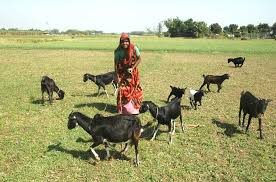
গরু, মহিষ, ছাগল, ভেড়া এবং হাঁস-মুরগির উৎপাদনশীলতা বৃদ্ধিতে বাকৃবির পশুপালন ও ভেটেরিনারি শিক্ষা গুরুত্বপূর্ণ ভূমিকা রেখেছে। প্রাণীর জাত নির্বাচন, প্রজনন, পুষ্টি, খাদ্য তৈরি, খামার ব্যবস্থাপনা এবং দুধ, মাংস ও ডিমের উৎপাদন বাড়ানোর বিষয়ে বিশ্ববিদ্যালয়ে বিস্তৃত গবেষণা হয়েছে।
দেশীয় গবাদিপশুর বৈশিষ্ট্য সংরক্ষণের পাশাপাশি পরিকল্পিত সংকরায়ন, কৃত্রিম প্রজনন, গাভির গর্ভধারণ শনাক্তকরণ, ছাগলে কৃত্রিম প্রজনন, ভ্রূণ স্থানান্তর এবং উন্নত প্রজনন ব্যবস্থাপনা নিয়ে বাকৃবির গবেষণা দেশের প্রাণিসম্পদ উন্নয়নে নতুন সম্ভাবনা তৈরি করেছে।
বিশ্ববিদ্যালয়ের গবেষকেরা খড়, ঘাস, গাছের পাতা, কৃষিজ উপজাত এবং স্থানীয়ভাবে পাওয়া খাদ্য উপাদানের পুষ্টিমান নির্ণয় করেছেন। স্বল্প ব্যয়ে সুষম খাদ্য তৈরি, ইউরিয়া-মোলাসেসের ব্যবহার, সাইলেজ ও হে প্রস্তুত এবং দানাদার খাদ্যের সঠিক অনুপাত নিয়ে গবেষণা খামারিদের উৎপাদন ব্যয় কমাতে সহায়তা করেছে।
ডেইরি ও পোল্ট্রি বিজ্ঞানে প্রশিক্ষিত বাকৃবি স্নাতকেরা বাংলাদেশের বাণিজ্যিক ডেইরি, পোল্ট্রি, ফিড ও হ্যাচারি শিল্পের বিকাশেও নেতৃত্ব দিয়েছেন।
৪. প্রাণীর রোগ নির্ণয়, চিকিৎসা ও টিকা গবেষণা
বাংলাদেশের প্রাণিসম্পদ খাতে সংক্রামক রোগ দীর্ঘদিন ধরে বড় ধরনের আর্থিক ক্ষতির কারণ। বাকৃবির ভেটেরিনারি গবেষকেরা গবাদিপশু, ছাগল, ভেড়া এবং হাঁস-মুরগির ব্যাকটেরিয়াজনিত, ভাইরাসজনিত ও পরজীবী রোগ শনাক্তকরণ, চিকিৎসা ও প্রতিরোধে গুরুত্বপূর্ণ গবেষণা করেছেন।
ব্রুসেলোসিস, রানীক্ষেত, পিজিয়ন পক্স, হাঁস-মুরগির কলেরা এবং বিভিন্ন সংক্রামক রোগের টিকা ও নিয়ন্ত্রণপদ্ধতি নিয়ে বিশ্ববিদ্যালয়ে কাজ হয়েছে। পিপিআর ভাইরাস শনাক্তকরণ, মাইকোপ্লাজমার অ্যান্টিবডি নির্ণয়, নমুনা থেকে রোগজীবাণু শনাক্তকরণ এবং মলিকুলার ডায়াগনস্টিক প্রযুক্তি উন্নয়নও এ গবেষণার অন্তর্ভুক্ত।
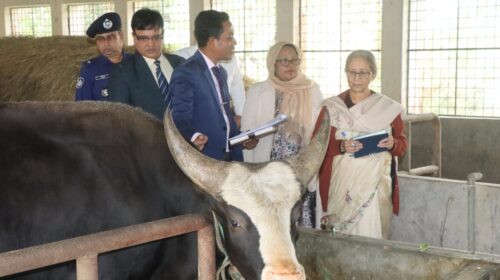
এসব গবেষণা রোগের দ্রুত শনাক্তকরণ, সঠিক চিকিৎসা এবং কার্যকর টিকাদান কর্মসূচি প্রণয়নে সহায়তা করেছে। বাকৃবির পশু চিকিৎসা শিক্ষণ হাসপাতাল শিক্ষার্থীদের ব্যবহারিক প্রশিক্ষণের পাশাপাশি খামারি ও সাধারণ মানুষের অসুস্থ প্রাণীর চিকিৎসাসেবা দিয়ে আসছে। বিশ্ববিদ্যালয়ে তৈরি দক্ষ পশুচিকিৎসকেরা পরবর্তী সময়ে দেশব্যাপী সরকারি ও বেসরকারি প্রাণিস্বাস্থ্যসেবা সম্প্রসারণে ভূমিকা রেখেছেন।
৫. বাংলাদেশের মৎস্য বিপ্লবে ভূমিকা
একসময় বাংলাদেশের মাছ উৎপাদন প্রধানত নদী, হাওর, বিল ও অন্যান্য প্রাকৃতিক জলাশয়ের ওপর নির্ভরশীল ছিল। পুকুরে পরিকল্পিত মাছ চাষ, মানসম্পন্ন পোনা, সুষম খাদ্য এবং পানির বৈজ্ঞানিক ব্যবস্থাপনা তখনও ব্যাপকভাবে গড়ে ওঠেনি।
১৯৬৭ সালে বাকৃবিতে পূর্ণাঙ্গ মাৎস্যবিজ্ঞান অনুষদ প্রতিষ্ঠার পর দেশে প্রাতিষ্ঠানিক মৎস্যশিক্ষা ও গবেষণার নতুন যুগ শুরু হয়। মাছের প্রজনন, হ্যাচারি ব্যবস্থাপনা, পোনা উৎপাদন, পুকুর প্রস্তুতি, মজুত ঘনত্ব, খাদ্য প্রয়োগ, পানির গুণগত মান এবং মাছের রোগ প্রতিরোধে বিশ্ববিদ্যালয়ের গবেষণা চাষিদের জন্য বৈজ্ঞানিক ভিত্তি তৈরি করেছে।
কার্প, তেলাপিয়া, পাঙ্গাস, শিং, মাগুর, কৈসহ বিভিন্ন মাছের চাষপদ্ধতি উন্নয়নে বাকৃবির শিক্ষক ও স্নাতকেরা প্রত্যক্ষ ও পরোক্ষভাবে অবদান রেখেছেন। দেশীয় ছোট মাছ ও বিপন্ন প্রজাতি সংরক্ষণ, মাছের জীববৈচিত্র্য, জলজ পরিবেশ, মাছ প্রক্রিয়াজাতকরণ এবং খাদ্যমান রক্ষা নিয়েও গবেষণা হয়েছে।
ফলে মাছকে শুধু প্রাকৃতিকভাবে আহরণযোগ্য সম্পদ হিসেবে দেখার পরিবর্তে পরিকল্পিতভাবে উৎপাদনযোগ্য কৃষিপণ্য হিসেবে প্রতিষ্ঠার ক্ষেত্রে বাকৃবি গুরুত্বপূর্ণ ভূমিকা পালন করেছে।
৬. কৃষি যান্ত্রিকীকরণ, সেচ ও খাদ্য প্রক্রিয়াজাতকরণ
কৃষিশ্রমিকের সংকট, উৎপাদন ব্যয় বৃদ্ধি এবং সময়মতো চাষাবাদের প্রয়োজন কৃষি যান্ত্রিকীকরণকে অপরিহার্য করে তুলেছে। বাকৃবির কৃষি প্রকৌশল ও প্রযুক্তি অনুষদ জমি প্রস্তুত, বীজ বপন, ফসল কাটা, মাড়াই, শুকানো, সংরক্ষণ এবং প্রক্রিয়াজাতকরণের উপযোগী যন্ত্র ও ব্যবস্থাপনা নিয়ে গবেষণা করেছে।
সেচব্যবস্থা, পানি উত্তোলন, ভূগর্ভস্থ ও ভূ-উপরিস্থ পানির ব্যবহার, পানি সাশ্রয়ী প্রযুক্তি এবং খামারের অবকাঠামো নির্মাণ বিষয়ে বিশ্ববিদ্যালয়ের গবেষণা কৃষির আধুনিকায়নে সহায়তা করেছে। খাদ্য সংরক্ষণ, শুকানো, শীতলীকরণ, প্যাকেজিং এবং কৃষিপণ্য প্রক্রিয়াজাতকরণ নিয়ে গবেষণা ফসল কাটার পরের ক্ষতি কমানো এবং পণ্যের মূল্য সংযোজনের সুযোগ তৈরি করেছে।
৭. কৃষি অর্থনীতি, বাজার ও গ্রামীণ উন্নয়ন
উৎপাদন বাড়ানোই কৃষি উন্নয়নের একমাত্র শর্ত নয়; কৃষককে লাভজনক মূল্যও পেতে হয়। বাকৃবির কৃষি অর্থনীতি ও গ্রামীণ সমাজবিজ্ঞান অনুষদ কৃষকের উৎপাদন ব্যয়, আয়, বাজারব্যবস্থা, মূল্য ওঠানামা, কৃষিঋণ, দারিদ্র্য, খাদ্যনিরাপত্তা এবং গ্রামীণ কর্মসংস্থান নিয়ে গবেষণা করেছে।
নারীর কৃষিতে অংশগ্রহণ, ভূমিহীন মানুষের জীবিকা, ক্ষুদ্র খামারের অর্থনীতি এবং কৃষক সংগঠনের ভূমিকা নিয়েও গবেষণা হয়েছে। এসব গবেষণার ফল সরকারি কৃষিনীতি, প্রকল্প পরিকল্পনা, ভর্তুকি, ঋণ ও বাজার ব্যবস্থাপনার সিদ্ধান্ত গ্রহণে গুরুত্বপূর্ণ তথ্য সরবরাহ করেছে।
৮. কৃষি সম্প্রসারণ ও দক্ষ জনশক্তি সৃষ্টি
বাকৃবির সবচেয়ে বড় অবদান হচ্ছে কয়েক প্রজন্মের দক্ষ কৃষিবিদ, পশুচিকিৎসক, মৎস্যবিদ, কৃষি প্রকৌশলী, পশুপালনবিদ ও কৃষি অর্থনীতিবিদ তৈরি করা। এসব স্নাতক দেশের সরকারি দপ্তর, গবেষণা প্রতিষ্ঠান, বিশ্ববিদ্যালয়, ব্যাংক, উন্নয়ন সংস্থা, কৃষিভিত্তিক শিল্প এবং বেসরকারি প্রতিষ্ঠানে নেতৃত্ব দিয়েছেন।
বাংলাদেশ কৃষি বিশ্ববিদ্যালয় সম্প্রসারণ কেন্দ্র—বাউএক প্রশিক্ষণ, মাঠ প্রদর্শনী ও কৃষকসম্পৃক্ত কার্যক্রমের মাধ্যমে গবেষণার ফল মাঠপর্যায়ে পৌঁছে দেওয়ার কাজ করেছে। বিশ্ববিদ্যালয়ের শিক্ষা, গবেষণা ও সম্প্রসারণ কার্যক্রমের সম্মিলিত প্রভাব বাংলাদেশের খাদ্য উৎপাদন বৃদ্ধি, গ্রামীণ অর্থনীতির বিকাশ এবং কৃষিকে একটি বিজ্ঞানভিত্তিক পেশায় রূপান্তরে ঐতিহাসিক ভূমিকা রেখেছে।
শিক্ষা, গবেষণা ও সম্প্রসারণ—তিনটি প্রধান দায়িত্ব
বাংলাদেশ কৃষি বিশ্ববিদ্যালয় প্রতিষ্ঠার দর্শনের কেন্দ্রবিন্দুতে ছিল তিনটি পরস্পরসম্পর্কিত কাজ—
- কৃষি ও সংশ্লিষ্ট বিষয়ে উচ্চশিক্ষা প্রদান
- দেশের সমস্যা বিবেচনায় গবেষণা পরিচালনা
- গবেষণার ফল কৃষক ও মাঠপর্যায়ে পৌঁছে দেওয়া
বাংলাদেশ কৃষি বিশ্ববিদ্যালয় গবেষণা ব্যবস্থা—বাউরেস বিশ্ববিদ্যালয়ের গবেষণা কার্যক্রম সমন্বয় করে। অন্যদিকে বাংলাদেশ কৃষি বিশ্ববিদ্যালয় সম্প্রসারণ কেন্দ্র—বাউএক কৃষক, মাঠকর্মী ও স্থানীয় জনগোষ্ঠীর কাছে প্রযুক্তি পৌঁছে দেওয়ার কাজ করে।
বর্তমান শিক্ষাব্যবস্থা
২০২৬ সালে বাংলাদেশ কৃষি বিশ্ববিদ্যালয় দেশের কৃষি, মৎস্য, প্রাণিসম্পদ, খাদ্য, পরিবেশ ও গ্রামীণ অর্থনীতিবিষয়ক উচ্চশিক্ষার অন্যতম প্রধান প্রতিষ্ঠান। বিশ্ববিদ্যালয়ের সরকারি তথ্য অনুযায়ী, বর্তমানে ছয়টি অনুষদের অধীনে ৪৪টি বিভাগ রয়েছে। পাশাপাশি বিভিন্ন বিশেষায়িত ইনস্টিটিউট, গবেষণা ব্যবস্থা, সম্প্রসারণ কেন্দ্র, শিক্ষণ হাসপাতাল এবং পরীক্ষামূলক খামারের মাধ্যমে শিক্ষা, গবেষণা ও ব্যবহারিক প্রশিক্ষণ পরিচালিত হচ্ছে।
বিশ্ববিদ্যালয়টিতে বর্তমানে নয়টি স্নাতক, ৫১টি স্নাতকোত্তর এবং ৪৫টি পিএইচডি কর্মসূচি পরিচালিত হচ্ছে। অধিকাংশ স্নাতক ডিগ্রি চার বছর ও আট সেমিস্টারে সম্পন্ন হয়। তবে ডক্টর অব ভেটেরিনারি মেডিসিন—ডিভিএম পাঁচ বছর মেয়াদি এবং ১০ সেমিস্টারে বিভক্ত। পাঠ্যক্রমে শ্রেণিকক্ষের শিক্ষার পাশাপাশি গবেষণাগার, খামার, মাঠ, হাসপাতাল, শিল্পপ্রতিষ্ঠান ও গ্রামীণ জনগোষ্ঠীর সঙ্গে কাজ করার সুযোগ রাখা হয়েছে। বাংলাদেশ কৃষি বিশ্ববিদ্যালয়, বাকৃবির ডিগ্রি কর্মসূচি
ছয় অনুষদের শিক্ষা ও গবেষণা
বাংলাদেশ কৃষি বিশ্ববিদ্যালয়ের বর্তমান শিক্ষাব্যবস্থার মূল ভিত্তি হচ্ছে এর ছয়টি অনুষদ। প্রতিটি অনুষদ দেশের কৃষি ও খাদ্যব্যবস্থার একটি বিশেষ খাতে দক্ষ জনবল তৈরি এবং গবেষণা পরিচালনা করছে।
১. কৃষি অনুষদ
কৃষি অনুষদ বিশ্ববিদ্যালয়ের সবচেয়ে পুরোনো ও বৃহৎ অনুষদগুলোর একটি। এখানে কৃষিতত্ত্ব, মৃত্তিকাবিজ্ঞান, উদ্যানতত্ত্ব, কীটতত্ত্ব, উদ্ভিদ রোগতত্ত্ব, কৌলিতত্ত্ব ও উদ্ভিদ প্রজনন, ফসল উদ্ভিদবিদ্যা, কৃষি সম্প্রসারণ, কৃষি রসায়ন, বায়োকেমিস্ট্রি ও মলিকুলার বায়োলজি, জৈবপ্রযুক্তি, পরিবেশবিজ্ঞান, বীজবিজ্ঞান, কৃষিবনায়ন এবং কৃষি আবহাওয়াসহ বিভিন্ন বিষয়ে শিক্ষা ও গবেষণা পরিচালিত হয়।
এ অনুষদে চার বছর মেয়াদি বিএসসি ইন এগ্রিকালচার—অনার্স ডিগ্রি দেওয়া হয়। শিক্ষার্থীরা ফসল উৎপাদন, উন্নত বীজ, মাটির উর্বরতা, রোগবালাই নিয়ন্ত্রণ, নিরাপদ খাদ্য এবং জলবায়ু সহনশীল কৃষি বিষয়ে তাত্ত্বিক ও ব্যবহারিক জ্ঞান অর্জন করেন।
২. ভেটেরিনারি সায়েন্স অনুষদ
ভেটেরিনারি সায়েন্স অনুষদ প্রাণীর রোগ নির্ণয়, চিকিৎসা, অস্ত্রোপচার, রোগ প্রতিরোধ এবং জনস্বাস্থ্যবিষয়ক শিক্ষা ও গবেষণা পরিচালনা করে। অ্যানাটমি ও হিস্টোলজি, ফিজিওলজি, ফার্মাকোলজি, প্যাথলজি, প্যারাসাইটোলজি, মাইক্রোবায়োলজি ও হাইজিন, মেডিসিন এবং সার্জারি ও অবস্টেট্রিকস এ অনুষদের গুরুত্বপূর্ণ শিক্ষাক্ষেত্র।
এখানে পাঁচ বছর মেয়াদি ডক্টর অব ভেটেরিনারি মেডিসিন—ডিভিএম ডিগ্রি দেওয়া হয়। প্রথম পর্যায়ে মৌলিক বিজ্ঞান এবং পরবর্তী পর্যায়ে রোগ নির্ণয়, চিকিৎসা, অস্ত্রোপচার ও ক্লিনিক্যাল বিষয়ে শিক্ষা দেওয়া হয়। শিক্ষার্থীরা পশু চিকিৎসা শিক্ষণ হাসপাতাল ও খামারে অসুস্থ প্রাণী পরীক্ষা এবং চিকিৎসার ব্যবহারিক প্রশিক্ষণ পান। বাকৃবি ভেটেরিনারি সায়েন্স অনুষদ
৩. পশুপালন অনুষদ
পশুপালন অনুষদ গবাদিপশু ও হাঁস-মুরগির উৎপাদন, প্রজনন, পুষ্টি এবং খামার ব্যবস্থাপনায় দক্ষ স্নাতক তৈরি করে। প্রাণী প্রজনন ও কৌলিবিজ্ঞান, প্রাণিপুষ্টি, প্রাণিবিজ্ঞান, ডেইরি বিজ্ঞান এবং পোল্ট্রি বিজ্ঞান এ অনুষদের প্রধান শিক্ষাক্ষেত্র।
চার বছর মেয়াদি বিএসসি ইন অ্যানিমেল হাজবেন্ড্রি—অনার্স কর্মসূচিতে গরু, মহিষ, ছাগল, ভেড়া এবং হাঁস-মুরগির জাত উন্নয়ন, খাদ্য তৈরি, দুধ-মাংস-ডিম উৎপাদন, খামার নকশা এবং বাণিজ্যিক ব্যবস্থাপনা শেখানো হয়। বিশ্ববিদ্যালয়ের ডেইরি, পোল্ট্রি, ছাগল, ভেড়া ও অন্যান্য খামার শিক্ষার্থীদের বাস্তব প্রশিক্ষণের ক্ষেত্র হিসেবে ব্যবহৃত হয়।
৪. কৃষি অর্থনীতি ও গ্রামীণ সমাজবিজ্ঞান অনুষদ
কৃষকের উৎপাদন ব্যয়, কৃষিপণ্যের বাজার, কৃষিঋণ, খাদ্যনিরাপত্তা, গ্রামীণ দারিদ্র্য এবং সামাজিক পরিবর্তন বোঝার জন্য এ অনুষদ শিক্ষা ও গবেষণা পরিচালনা করে। কৃষি অর্থনীতি, কৃষি অর্থায়ন ও ব্যাংকিং, কৃষি ব্যবসা ও বিপণন, কৃষি ও ফলিত পরিসংখ্যান এবং গ্রামীণ সমাজবিজ্ঞান এর প্রধান বিষয়।
এখানকার স্নাতক পর্যায়ের শিক্ষার্থীরা অর্থনীতি, বাজার বিশ্লেষণ, কৃষিপণ্যের মূল্যশৃঙ্খল, কৃষি ব্যবসা, পরিসংখ্যান এবং উন্নয়ন পরিকল্পনার শিক্ষা গ্রহণ করেন। ফলে তারা সরকারি প্রতিষ্ঠান, ব্যাংক, গবেষণা সংস্থা, উন্নয়ন প্রকল্প এবং কৃষিভিত্তিক ব্যবসায় কাজ করার উপযোগী হয়ে ওঠেন।
৫. কৃষি প্রকৌশল ও প্রযুক্তি অনুষদ
কৃষি যান্ত্রিকীকরণ, সেচ, পানি ব্যবস্থাপনা, খাদ্য প্রক্রিয়াজাতকরণ এবং ডিজিটাল প্রযুক্তির ক্রমবর্ধমান চাহিদা পূরণে এ অনুষদ বিশেষ ভূমিকা পালন করছে। কৃষিশক্তি ও যন্ত্র, সেচ ও পানি ব্যবস্থাপনা, খামারের কাঠামো ও পরিবেশ প্রকৌশল, খাদ্যপ্রযুক্তি ও গ্রামীণ শিল্প এবং কম্পিউটার বিজ্ঞান ও গণিত এ অনুষদের গুরুত্বপূর্ণ শিক্ষাক্ষেত্র।
এ অনুষদের অধীনে কৃষি প্রকৌশল, খাদ্য প্রকৌশল এবং বায়োইনফরমেটিকস প্রকৌশলসহ আধুনিক স্নাতক কর্মসূচি রয়েছে। ২০২১ সাল থেকে বাংলাদেশে প্রথমবারের মতো বাকৃবিতে বিএসসি ইন বায়োইনফরমেটিকস ইঞ্জিনিয়ারিং চালু করা হয়। এতে জীববিজ্ঞান, জিনতত্ত্ব, কম্পিউটার বিজ্ঞান, তথ্য বিশ্লেষণ ও কৃত্রিম বুদ্ধিমত্তার সমন্বিত প্রয়োগ শেখানো হচ্ছে। কম্পিউটার বিজ্ঞান ও গণিত বিভাগ
৬. মাৎস্যবিজ্ঞান অনুষদ
মাৎস্যবিজ্ঞান অনুষদ মাছের প্রজনন, চাষাবাদ, রোগ ব্যবস্থাপনা, জলজ জীববৈচিত্র্য, মাছ প্রক্রিয়াজাতকরণ এবং মৎস্যসম্পদ সংরক্ষণে দক্ষ জনশক্তি তৈরি করে। অ্যাকুয়াকালচার, ফিশারিজ বায়োলজি অ্যান্ড জেনেটিকস, ফিশারিজ ম্যানেজমেন্ট, ফিশারিজ টেকনোলজি এবং মেরিন ফিশারিজ সায়েন্স এর প্রধান শিক্ষাক্ষেত্র।
বিএসসি ইন ফিশারিজ—অনার্স কর্মসূচির শিক্ষার্থীরা পুকুর ও জলাশয় ব্যবস্থাপনা, হ্যাচারি পরিচালনা, পোনা উৎপাদন, মাছের খাদ্য, রোগনিয়ন্ত্রণ, আহরণ-পরবর্তী সংরক্ষণ এবং উপকূলীয় ও সামুদ্রিক মৎস্যসম্পদ বিষয়ে শিক্ষা নেন। শিক্ষার্থীদের মাঠ ও খামারভিত্তিক প্রশিক্ষণের পাশাপাশি হ্যাচারি ও মৎস্যপ্রতিষ্ঠানে কাজ করার সুযোগ দেওয়া হয়।
বর্তমান স্নাতক কর্মসূচি
বিশ্ববিদ্যালয়ের সরকারি তথ্য অনুযায়ী বর্তমানে নয়টি স্নাতক কর্মসূচি পরিচালিত হচ্ছে। এর মধ্যে উল্লেখযোগ্য—
- বিএসসি ইন এগ্রিকালচার—অনার্স
- ডক্টর অব ভেটেরিনারি মেডিসিন—ডিভিএম
- বিএসসি ইন অ্যানিমেল হাজবেন্ড্রি—অনার্স
- বিএসসি ইন এগ্রিকালচারাল ইকোনমিকস—অনার্স
- বিএসসি ইন এগ্রিকালচারাল ইঞ্জিনিয়ারিং
- বিএসসি ইন ফুড ইঞ্জিনিয়ারিং
- বিএসসি ইন ফিশারিজ—অনার্স
- বিএসসি ইন ফুড সেফটি ম্যানেজমেন্ট—অনার্স
- বিএসসি ইন বায়োইনফরমেটিকস ইঞ্জিনিয়ারিং
এসব কর্মসূচিতে কৃষি ও জীববিজ্ঞানের মৌলিক বিষয়ের পাশাপাশি ইংরেজি, তথ্যপ্রযুক্তি, পরিসংখ্যান, অর্থনীতি, ব্যবসা, যোগাযোগ এবং উদ্যোক্তা উন্নয়ন সম্পর্কিত বিষয় অন্তর্ভুক্ত রয়েছে।
স্নাতকোত্তর ও পিএইচডি শিক্ষা
স্নাতক পর্যায়ের পাশাপাশি বাকৃবির প্রায় সব বিভাগে মাস্টার্স ও পিএইচডি পর্যায়ে শিক্ষা ও গবেষণার সুযোগ রয়েছে। স্নাতকোত্তর পর্যায়ে শিক্ষার্থীরা নির্দিষ্ট বিষয়ে উচ্চতর কোর্স গ্রহণ এবং গবেষণাভিত্তিক অভিসন্দর্ভ তৈরি করেন। পিএইচডি গবেষণায় নতুন জ্ঞান, প্রযুক্তি, জাত, রোগনিয়ন্ত্রণ ব্যবস্থা, উৎপাদন কৌশল এবং নীতিগত সমাধান উদ্ভাবনের ওপর গুরুত্ব দেওয়া হয়।
কেন্দ্রীয় উচ্চশিক্ষা ও গবেষণা কমিটি স্নাতকোত্তর ও পিএইচডি গবেষণা তদারকিতে ভূমিকা রাখে। দেশি-বিদেশি বিশ্ববিদ্যালয়, গবেষণা প্রতিষ্ঠান ও উন্নয়ন সহযোগীদের সঙ্গেও যৌথ গবেষণা পরিচালিত হচ্ছে।
বিশেষায়িত ইনস্টিটিউট ও সহায়ক প্রতিষ্ঠান
বিশ্ববিদ্যালয়ের পাঠদান ও গবেষণাকে আরও বহুমাত্রিক করতে কয়েকটি বিশেষায়িত ইনস্টিটিউট কাজ করছে। এগুলোর মধ্যে রয়েছে—
- গ্র্যাজুয়েট ট্রেনিং ইনস্টিটিউট—জিটিআই
- ইনস্টিটিউট অব এগ্রিবিজনেস অ্যান্ড ডেভেলপমেন্ট স্টাডিজ—আইএডিএস
- ইন্টারডিসিপ্লিনারি ইনস্টিটিউট ফর ফুড সিকিউরিটি—আইআইএফএস
- হাওর ও চর উন্নয়ন ইনস্টিটিউট
- ইনস্টিটিউট অব বায়োটেকনোলজি
- ইনস্টিটিউট অব এনভায়রনমেন্টাল সায়েন্স অ্যান্ড ডিজাস্টার ম্যানেজমেন্ট
গ্র্যাজুয়েট ট্রেনিং ইনস্টিটিউট শিক্ষক, গবেষক ও পেশাজীবীদের গবেষণাপদ্ধতি, পরিসংখ্যান, পাঠদান কৌশল এবং প্রকল্প ব্যবস্থাপনায় প্রশিক্ষণ দেয়। আইএডিএস কৃষি ব্যবসা, উদ্যোক্তা উন্নয়ন ও উন্নয়ন অধ্যয়ন নিয়ে কাজ করে। খাদ্যনিরাপত্তা ইনস্টিটিউট বিভিন্ন অনুষদের জ্ঞান সমন্বয় করে খাদ্য উৎপাদন, পুষ্টি ও নিরাপত্তাবিষয়ক শিক্ষা পরিচালনা করে। হাওর ও চর উন্নয়ন ইনস্টিটিউট দেশের বিশেষ ভৌগোলিক অঞ্চলের কৃষি, জীবিকা ও দুর্যোগঝুঁকি নিয়ে গবেষণা করে। বাকৃবি: এক নজরে
তত্ত্ব ও ব্যবহারিক শিক্ষার সমন্বয়
বাংলাদেশ কৃষি বিশ্ববিদ্যালয়ের শিক্ষাব্যবস্থার প্রধান বৈশিষ্ট্য হলো শ্রেণিকক্ষের তত্ত্বের সঙ্গে মাঠ ও পরীক্ষাগারের ব্যবহারিক শিক্ষার সমন্বয়। শিক্ষার্থীরা ফসলের মাঠ, মাছের পুকুর, হ্যাচারি, ডেইরি ও পোল্ট্রি খামার, পশু হাসপাতাল, খাদ্য প্রক্রিয়াজাতকরণ গবেষণাগার এবং গ্রামীণ জনগোষ্ঠীর সঙ্গে সরাসরি কাজ করেন।
ফলে বাকৃবির শিক্ষাব্যবস্থা শুধু ডিগ্রি অর্জনের মধ্যে সীমাবদ্ধ নয়; বরং কৃষির বাস্তব সমস্যা চিহ্নিত করা, বৈজ্ঞানিক সমাধান বের করা এবং সেই প্রযুক্তি কৃষক ও উদ্যোক্তার কাছে পৌঁছে দেওয়ার দক্ষতা তৈরির ওপর ভিত্তি করে পরিচালিত হচ্ছে।ওর ও চর উন্নয়ন ইনস্টিটিউট এবং ইন্টারডিসিপ্লিনারি ইনস্টিটিউট ফর ফুড সিকিউরিটিসহ বিভিন্ন বিশেষায়িত প্রতিষ্ঠান রয়েছে।
শিক্ষক ও শিক্ষার্থীর বর্তমান চিত্র
টাইমস হায়ার এডুকেশনের ২০২৬ সালের তথ্য অনুযায়ী বিশ্ববিদ্যালয়টিতে প্রায় ৭ হাজার ৮৫৫ জন শিক্ষার্থী অধ্যয়ন করছেন। শিক্ষক-শিক্ষার্থী অনুপাত প্রায় ১:১৩ দশমিক ৩। শিক্ষার্থীদের মধ্যে আনুমানিক ৪৫ শতাংশ নারী এবং ৫৫ শতাংশ পুরুষ। আন্তর্জাতিক শিক্ষার্থীর হার প্রায় ১ শতাংশ। Times Higher Education—BAU
বিশ্ববিদ্যালয়ের নিজস্ব ও বিভিন্ন প্রকাশিত তথ্যের সংখ্যায় সামান্য পার্থক্য থাকতে পারে। তবে সব মিলিয়ে বর্তমানে প্রায় আট হাজার শিক্ষার্থী এবং পাঁচ শতাধিক শিক্ষক নিয়ে বাকৃবি তার শিক্ষা ও গবেষণা কার্যক্রম পরিচালনা করছে।
আন্তর্জাতিক অবস্থান
বাংলাদেশ কৃষি বিশ্ববিদ্যালয়ের আন্তর্জাতিক পরিচিতি সবচেয়ে শক্তিশালী কৃষি, প্রাণিসম্পদ, মৎস্য ও জীবনবিজ্ঞানভিত্তিক গবেষণায়। ২০২৬ সালের উল্লেখযোগ্য অবস্থান—
| র্যাঙ্কিং | বাকৃবির অবস্থান |
|---|---|
| Times Higher Education World University Rankings 2026 | ১০০১–১২০০ |
| THE Life Sciences 2026 | ৬০১–৮০০ |
| QS Agriculture and Forestry 2026 | ২৫১–৩০০ |
| ShanghaiRanking Agricultural Sciences 2025 | ২০১–৩০০ |
| ShanghaiRanking Veterinary Sciences 2025 | ২০১–৩০০ |
QS-এর ২০২৬ সালের Agriculture and Forestry বিষয়ভিত্তিক র্যাঙ্কিংয়ে বাকৃবি বিশ্বের ২৫১–৩০০তম অবস্থানের মধ্যে এবং বাংলাদেশের বিশ্ববিদ্যালয়গুলোর মধ্যে প্রথম হয়েছে। QS Agriculture and Forestry, ShanghaiRanking
তবে সামগ্রিক বিশ্ব র্যাঙ্কিং এবং বিষয়ভিত্তিক র্যাঙ্কিং এক নয়। কৃষি বিষয়ে বাকৃবির অবস্থান তুলনামূলক শক্তিশালী হলেও সামগ্রিক র্যাঙ্কিংয়ে আরও উন্নতির সুযোগ রয়েছে।
বর্তমান উপাচার্য
২০২৬ সালে বাংলাদেশ কৃষি বিশ্ববিদ্যালয়ের উপাচার্যের দায়িত্ব পালন করছেন অধ্যাপক ড. এ কে ফজলুল হক ভূঁইয়া। বিশ্ববিদ্যালয় কর্তৃপক্ষের ঘোষিত লক্ষ্য হচ্ছে শিক্ষা, গবেষণা ও সম্প্রসারণ কার্যক্রমকে আধুনিক করে বাকৃবিকে কৃষিশিক্ষায় আন্তর্জাতিক মানের প্রতিষ্ঠানে পরিণত করা। উপাচার্যের কার্যালয়
বাকৃবির শক্তির জায়গা
বাংলাদেশ কৃষি বিশ্ববিদ্যালয়ের কয়েকটি বিশেষ শক্তি রয়েছে—
- বড় ও গবেষণাবান্ধব ক্যাম্পাস
- কৃষি, মৎস্য ও প্রাণিসম্পদের প্রায় সব শাখায় শিক্ষা
- মাঠ গবেষণার জন্য নিজস্ব খামার ও পরীক্ষামূলক জমি
- দীর্ঘদিনের অভিজ্ঞ শিক্ষক ও গবেষক নেটওয়ার্ক
- সরকারি গবেষণা ও সম্প্রসারণ প্রতিষ্ঠানের সঙ্গে সম্পর্ক
- বিপুলসংখ্যক দক্ষ ও প্রভাবশালী প্রাক্তন শিক্ষার্থী
- জাতীয় খাদ্যনিরাপত্তার সঙ্গে সরাসরি সম্পৃক্ততা
- কৃষি ও বনবিদ্যা বিষয়ে আন্তর্জাতিক স্বীকৃতি
যেসব চ্যালেঞ্জ রয়েছে
ঐতিহ্য ও সাফল্যের পাশাপাশি বাকৃবিকে কয়েকটি বড় চ্যালেঞ্জ মোকাবিলা করতে হচ্ছে।
গবেষণার অর্থায়ন
আধুনিক কৃষি গবেষণায় জিনোমিকস, কৃত্রিম বুদ্ধিমত্তা, রোবোটিকস, রোগ নির্ণয়, জলবায়ু মডেলিং এবং অত্যাধুনিক পরীক্ষাগারের প্রয়োজন। এসব ক্ষেত্রে দীর্ঘমেয়াদি অর্থায়ন বাড়ানো জরুরি।
গবেষণাকে কৃষকের কাছে পৌঁছানো
অনেক গবেষণা প্রবন্ধ ও পরীক্ষাগারের মধ্যে সীমাবদ্ধ থেকে যায়। গবেষণার ফলকে সহজ প্রযুক্তিতে রূপান্তর করে কৃষকের কাছে পৌঁছানো এবং তার বাণিজ্যিক ব্যবহার নিশ্চিত করা বড় চ্যালেঞ্জ।
আন্তর্জাতিকীকরণ
আন্তর্জাতিক শিক্ষার্থী ও শিক্ষকসংখ্যা এখনো সীমিত। যৌথ ডিগ্রি, আন্তর্জাতিক গবেষণাগার, বিদেশি শিক্ষক, পোস্টডক্টরাল গবেষণা এবং আন্তর্জাতিক মানের আবাসন বাড়ানো প্রয়োজন।
জলবায়ু পরিবর্তন
লবণাক্ততা, খরা, আকস্মিক বন্যা, হাওরের অকাল প্লাবন, নতুন রোগবালাই এবং তাপমাত্রা বৃদ্ধির কারণে কৃষিতে নতুন ধরনের ঝুঁকি তৈরি হচ্ছে। ভবিষ্যতে বাকৃবির গবেষণার বড় অংশ জলবায়ু সহনশীল কৃষিকে কেন্দ্র করে পরিচালিত হতে হবে।
কৃষি উদ্যোক্তা সৃষ্টি
শুধু সরকারি চাকরিমুখী স্নাতক তৈরির পরিবর্তে প্রযুক্তিনির্ভর কৃষি উদ্যোক্তা, স্টার্টআপ, ভ্যালু চেইন বিশেষজ্ঞ এবং খাদ্য প্রক্রিয়াজাতকরণ উদ্যোক্তা তৈরির প্রয়োজন বাড়ছে।
গবেষণার মান ও জবাবদিহি
গবেষণা প্রকাশনার সংখ্যা বৃদ্ধির পাশাপাশি তার বাস্তব প্রভাব, তথ্যের স্বচ্ছতা, গবেষণা নৈতিকতা, মেধাস্বত্ব সংরক্ষণ এবং প্রযুক্তি হস্তান্তরের ওপর গুরুত্ব দিতে হবে।
ভবিষ্যতে যেদিকে গুরুত্ব দেওয়া প্রয়োজন
বাংলাদেশের কৃষি এখন একটি পরিবর্তনশীল সময়ের মধ্য দিয়ে যাচ্ছে। জলবায়ু পরিবর্তন, কৃষিজমি কমে যাওয়া, উৎপাদন ব্যয় বৃদ্ধি, নিরাপদ খাদ্যের চাহিদা, শ্রমিকসংকট, নতুন রোগবালাই এবং আন্তর্জাতিক বাজারের প্রতিযোগিতা—সব মিলিয়ে কৃষি খাতে নতুন ধরনের চ্যালেঞ্জ তৈরি হয়েছে। এসব চ্যালেঞ্জ মোকাবিলায় বাংলাদেশ কৃষি বিশ্ববিদ্যালয়কে প্রচলিত শিক্ষা ও গবেষণার পাশাপাশি ভবিষ্যৎমুখী প্রযুক্তি, কৃষকের বাস্তব সমস্যা এবং বাজারের চাহিদাকে সর্বোচ্চ গুরুত্ব দিতে হবে।
১. জলবায়ু সহনশীল ফসল ও প্রাণীর জাত উদ্ভাবন
বাংলাদেশে বন্যা, খরা, লবণাক্ততা, জলাবদ্ধতা, তাপপ্রবাহ, নদীভাঙন এবং অনিয়মিত বৃষ্টিপাতের প্রভাব ক্রমেই বাড়ছে। এসব দুর্যোগে ফসল, মাছ ও গবাদিপশুর উৎপাদন ব্যাহত হচ্ছে। তাই স্বল্পমেয়াদি, উচ্চফলনশীল এবং বন্যা, খরা, লবণাক্ততা ও তাপমাত্রা সহনশীল ফসলের জাত উদ্ভাবনে বাকৃবিকে গবেষণা জোরদার করতে হবে।
একই সঙ্গে অতিরিক্ত তাপমাত্রা ও প্রতিকূল পরিবেশে টিকে থাকতে সক্ষম গরু, ছাগল, হাঁস-মুরগি ও মাছের জাত নির্বাচন এবং উন্নয়ন জরুরি। জলবায়ু পরিবর্তনের কারণে কোন এলাকায় কোন ফসল, মাছ বা প্রাণী পালন বেশি উপযোগী হবে—এ বিষয়ে দীর্ঘমেয়াদি অঞ্চলভিত্তিক গবেষণা প্রয়োজন।
২. নিরাপদ খাদ্য ও অ্যান্টিমাইক্রোবিয়াল রেজিস্ট্যান্স নিয়ন্ত্রণ
কৃষিতে অতিরিক্ত কীটনাশক, প্রাণীর চিকিৎসায় অপ্রয়োজনীয় অ্যান্টিবায়োটিক এবং মাছ ও পশুখাদ্যে অনিরাপদ উপাদানের ব্যবহার জনস্বাস্থ্যের জন্য গুরুতর ঝুঁকি তৈরি করতে পারে। বিশেষ করে অ্যান্টিমাইক্রোবিয়াল রেজিস্ট্যান্স বা জীবাণুর ওষুধ প্রতিরোধী হয়ে ওঠা বিশ্বব্যাপী বড় স্বাস্থ্যঝুঁকি হিসেবে দেখা দিয়েছে।
বাকৃবিকে ‘ওয়ান হেলথ’ ধারণার ভিত্তিতে মানুষ, প্রাণী ও পরিবেশের স্বাস্থ্যকে সমন্বিতভাবে বিবেচনা করে গবেষণা পরিচালনা করতে হবে। খামারে অ্যান্টিবায়োটিকের যৌক্তিক ব্যবহার, বিকল্প চিকিৎসা, প্রোবায়োটিক, ভেষজ উপাদান, কার্যকর টিকা এবং দ্রুত রোগ নির্ণয় প্রযুক্তি নিয়ে কাজ করতে হবে। দুধ, ডিম, মাংস, মাছ, সবজি ও ফলের রাসায়নিক অবশিষ্ট এবং রোগজীবাণু পরীক্ষার সক্ষমতাও বাড়ানো প্রয়োজন।
৩. কৃষিতে কৃত্রিম বুদ্ধিমত্তা, সেন্সর ও ড্রোনের ব্যবহার
ভবিষ্যতের কৃষি হবে তথ্য ও প্রযুক্তিনির্ভর। কৃত্রিম বুদ্ধিমত্তা, স্যাটেলাইট তথ্য, ড্রোন, রোবট, সেন্সর এবং ইন্টারনেট অব থিংস ব্যবহার করে ফসল ও খামারের অবস্থা দ্রুত পর্যবেক্ষণ করা সম্ভব। মাটির আর্দ্রতা, তাপমাত্রা, পানির গুণগত মান, প্রাণীর শরীরের তাপমাত্রা, খাদ্য গ্রহণ এবং উৎপাদনের তথ্য সেন্সরের মাধ্যমে সংগ্রহ করা যেতে পারে।
ড্রোন ব্যবহার করে ফসলের রোগবালাই শনাক্তকরণ, জমির মানচিত্র তৈরি, বীজ বপন এবং প্রয়োজন অনুযায়ী সার বা বালাইনাশক প্রয়োগ সম্ভব। বাকৃবিকে কৃষিবিদ, প্রকৌশলী, প্রাণিসম্পদবিদ, মৎস্যবিদ ও কম্পিউটার বিজ্ঞানীদের সমন্বয়ে স্মার্ট কৃষিপ্রযুক্তি উদ্ভাবনের ব্যবস্থা করতে হবে হবে। ছোট ও প্রান্তিক কৃষকের নাগালের মধ্যে থাকবে—এমন স্বল্পমূল্যের প্রযুক্তিকে অগ্রাধিকার দেওয়া জরুরি।
৪. প্রাণীর টিকা ও রোগ নির্ণয় প্রযুক্তির দেশীয় উৎপাদন
লাম্পি স্কিন ডিজিজ, পিপিআর, ক্ষুরারোগ, বার্ড ফ্লু, রানীক্ষেতসহ বিভিন্ন সংক্রামক রোগে প্রতিবছর খামারিদের বড় ধরনের ক্ষতি হয়। অনেক ক্ষেত্রে প্রয়োজনীয় টিকা, পরীক্ষার কিট ও গবেষণা উপকরণের জন্য বিদেশের ওপর নির্ভর করতে হয়।
বাকৃবিকে সরকারি গবেষণা প্রতিষ্ঠান এবং দেশীয় ওষুধ উৎপাদনকারী প্রতিষ্ঠানের সঙ্গে যৌথভাবে প্রাণীর টিকা, অ্যান্টিজেন, অ্যান্টিবডি এবং দ্রুত রোগ নির্ণয়ের কিট উদ্ভাবনে কাজ করতে হবে। শুধু গবেষণাগারে প্রযুক্তি উদ্ভাবন করলেই হবে না; মাঠপর্যায়ে কার্যকারিতা যাচাই, অনুমোদন, মান নিয়ন্ত্রণ এবং বাণিজ্যিক উৎপাদনের পূর্ণাঙ্গ ব্যবস্থা গড়ে তুলতে হবে। এতে আমদানিনির্ভরতা কমার পাশাপাশি জরুরি রোগের প্রাদুর্ভাবে দ্রুত ব্যবস্থা নেওয়া সম্ভব হবে।
৫. দেশীয় জিনগত সম্পদ সংরক্ষণ
বাংলাদেশের দেশীয় ধান, সবজি, ফল, মাছ, গরু, মহিষ, ছাগল, ভেড়া ও হাঁস-মুরগির মধ্যে বহু মূল্যবান জিনগত বৈশিষ্ট্য রয়েছে। এসব জাত স্থানীয় আবহাওয়া, খাদ্য ও রোগবালাইয়ের সঙ্গে দীর্ঘদিন ধরে খাপ খাইয়ে নিয়েছে। অপরিকল্পিত সংকরায়ন, আবাসস্থল ধ্বংস এবং বিদেশি জাতের ব্যাপক ব্যবহারে অনেক দেশীয় জাত বিলুপ্তির ঝুঁকিতে রয়েছে।
বাকৃবিকে আধুনিক জিন ব্যাংক, বীজ ব্যাংক, ক্রায়োপ্রিজারভেশন এবং জীবিত সংরক্ষণ খামার গড়ে তুলতে হবে। দেশীয় জাতের জিনগত বৈশিষ্ট্য নির্ণয়, নিবন্ধন এবং উৎপাদনক্ষমতা বৃদ্ধির জন্য পরিকল্পিত প্রজনন কর্মসূচি প্রয়োজন। স্থানীয় জাত সংরক্ষণে সংশ্লিষ্ট কৃষক ও খামারিকে আর্থিক ও প্রযুক্তিগত সহায়তা দেওয়ার মডেলও তৈরি করা যেতে পারে।
৬. কৃষিপণ্য প্রক্রিয়াজাতকরণ ও রপ্তানি প্রযুক্তি
বাংলাদেশে ফসল কাটার পর সংরক্ষণ, পরিবহন ও বাজারজাতকরণের দুর্বলতায় বিপুল পরিমাণ কৃষিপণ্য নষ্ট হয়। শুধু উৎপাদন বাড়ানোর পরিবর্তে পণ্য সংগ্রহ, গ্রেডিং, শীতলীকরণ, সংরক্ষণ, প্রক্রিয়াজাতকরণ, প্যাকেজিং এবং রপ্তানি মান নিশ্চিত করার ওপর গুরুত্ব দিতে হবে।
ফল, সবজি, দুধ, মাংস, মাছ ও ডিম থেকে নিরাপদ এবং মূল্য সংযোজিত পণ্য তৈরির প্রযুক্তি উদ্ভাবনে বাকৃবি নেতৃত্ব দিতে পারে। আন্তর্জাতিক বাজারে প্রবেশের জন্য খাদ্যনিরাপত্তা, অবশিষ্ট রাসায়নিকের মাত্রা, রোগজীবাণু নিয়ন্ত্রণ, ট্রেসেবিলিটি এবং হালাল প্রক্রিয়াজাতকরণ বিষয়ে গবেষণা ও প্রশিক্ষণ প্রয়োজন। বিশ্ববিদ্যালয়ে পরীক্ষামূলক প্রক্রিয়াজাতকরণ কেন্দ্র ও স্টার্টআপ ইনকিউবেটর গড়ে তোলা হলে গবেষণাকে ব্যবসায়িক পণ্যে রূপ দেওয়া সহজ হবে।
৭. কৃষকের উৎপাদন ব্যয় ও ন্যায্যমূল্য নিয়ে গবেষণা
সার, বীজ, পশু ও মাছের খাদ্য, ওষুধ, বিদ্যুৎ, জ্বালানি এবং শ্রমের দাম বৃদ্ধির কারণে কৃষকের উৎপাদন ব্যয় বাড়ছে। কিন্তু অনেক ক্ষেত্রেই কৃষক তার উৎপাদিত পণ্যের ন্যায্যমূল্য পাচ্ছেন না। এ সমস্যার সমাধানে শুধু উৎপাদন প্রযুক্তি নয়, বাজার ও মূল্যব্যবস্থা নিয়েও নিয়মিত গবেষণা করতে হবে।
প্রতিটি গুরুত্বপূর্ণ কৃষিপণ্যের প্রকৃত উৎপাদন ব্যয়, মধ্যস্বত্বভোগীর ভূমিকা, পরিবহন খরচ, বাজারমূল্যের ওঠানামা এবং কৃষকের লাভের অংশ নির্ণয় করা প্রয়োজন। এসব গবেষণার ভিত্তিতে ন্যূনতম সহায়ক মূল্য, কৃষিবিমা, চুক্তিভিত্তিক উৎপাদন, ডিজিটাল বাজার এবং সরাসরি কৃষক-ভোক্তা সংযোগের কার্যকর মডেল প্রস্তাব করা যেতে পারে।
৮. নারী ও তরুণ কৃষি উদ্যোক্তা তৈরি
কৃষির ভবিষ্যৎ ধরে রাখতে তরুণ প্রজন্মকে এ খাতে আকৃষ্ট করা জরুরি। কৃষিকে শুধু শ্রমনির্ভর পেশা হিসেবে নয়, প্রযুক্তি ও মুনাফাভিত্তিক ব্যবসা হিসেবে উপস্থাপন করতে হবে। শিক্ষার্থীদের পাঠ্যক্রমে ব্যবসা পরিকল্পনা, হিসাবরক্ষণ, ডিজিটাল বিপণন, ব্র্যান্ডিং, রপ্তানি এবং ঝুঁকি ব্যবস্থাপনা অন্তর্ভুক্ত করা প্রয়োজন।
নারীরা বীজ সংরক্ষণ, হাঁস-মুরগি ও ছাগল পালন, দুধ উৎপাদন, সবজি চাষ এবং খাদ্য প্রক্রিয়াজাতকরণে বড় ভূমিকা রাখলেও প্রশিক্ষণ, ঋণ ও বাজারে তাদের প্রবেশাধিকার সীমিত। নারী ও তরুণ উদ্যোক্তাদের জন্য বাকৃবি প্রশিক্ষণ, প্রযুক্তি সহায়তা, মেন্টরশিপ এবং ব্যবসা শুরুর পরীক্ষামূলক প্ল্যাটফর্ম তৈরি করতে পারে।
৯. গবেষণা–শিল্প–কৃষক সংযোগ শক্তিশালী করা
বিশ্ববিদ্যালয়ের গবেষণা তখনই অর্থবহ হবে, যখন তার সুফল কৃষক, খামারি, উদ্যোক্তা ও ভোক্তার কাছে পৌঁছাবে। এজন্য গবেষক, সরকারি সম্প্রসারণকর্মী, বেসরকারি শিল্পপ্রতিষ্ঠান এবং কৃষক সংগঠনের মধ্যে স্থায়ী যোগাযোগব্যবস্থা গড়ে তুলতে হবে।
কোনো প্রযুক্তি উদ্ভাবনের আগে কৃষকের সমস্যা ও বাজারের চাহিদা যাচাই করতে হবে। উদ্ভাবনের পর মাঠপর্যায়ে পরীক্ষা, কৃষকের মতামত গ্রহণ, প্রযুক্তির অর্থনৈতিক বিশ্লেষণ এবং বাণিজ্যিক উৎপাদনের ব্যবস্থা করতে হবে। প্রযুক্তি হস্তান্তর অফিস, মেধাস্বত্ব সুরক্ষা, পেটেন্ট এবং গবেষণাভিত্তিক স্টার্টআপেও বিশ্ববিদ্যালয়কে গুরুত্ব দিতে হবে।
১০. হাওর, চর, উপকূল ও পাহাড়ের জন্য অঞ্চলভিত্তিক প্রযুক্তি
বাংলাদেশের সব অঞ্চলের কৃষি সমস্যা এক নয়। হাওরে আকস্মিক বন্যা, চরে নদীভাঙন ও বালুমাটি, উপকূলে লবণাক্ততা ও ঘূর্ণিঝড় এবং পাহাড়ে মাটিক্ষয় ও পানির সংকট রয়েছে। তাই একটি সাধারণ প্রযুক্তি সারা দেশের জন্য কার্যকর হবে—এমন ধারণা থেকে বেরিয়ে আসতে হবে।
হাওরের জন্য স্বল্পমেয়াদি ফসল ও ভাসমান কৃষি, চরের জন্য খরা সহনশীল ফসল ও গবাদিপশু পালন, উপকূলের জন্য লবণসহিষ্ণু কৃষি ও সমন্বিত মাছচাষ এবং পাহাড়ের জন্য মাটি ও পানি সংরক্ষণভিত্তিক প্রযুক্তি প্রয়োজন। স্থানীয় জনগোষ্ঠীর অভিজ্ঞতা ও বৈজ্ঞানিক গবেষণার সমন্বয়ে এসব প্রযুক্তি তৈরি করতে হবে।
সব মিলিয়ে বাংলাদেশ কৃষি বিশ্ববিদ্যালয়ের ভবিষ্যৎ দায়িত্ব শুধু দক্ষ স্নাতক তৈরি করা নয়; বরং দেশের খাদ্যনিরাপত্তা, কৃষকের ন্যায্য আয়, জনস্বাস্থ্য এবং পরিবেশ সুরক্ষার জন্য কার্যকর সমাধান উদ্ভাবন করা। গবেষণাগার, শিল্পপ্রতিষ্ঠান ও কৃষকের মাঠের মধ্যে শক্তিশালী সেতুবন্ধ তৈরি করতে পারলে বিশ্ববিদ্যালয়টি আগামী দিনেও বাংলাদেশের কৃষি উন্নয়নের প্রধান চালিকাশক্তি হিসেবে ভূমিকা রাখতে পারবে।
উপসংহার
বাংলাদেশ কৃষি বিশ্ববিদ্যালয় শুধু একটি উচ্চশিক্ষা প্রতিষ্ঠান নয়; এটি বাংলাদেশের কৃষি, মৎস্য ও প্রাণিসম্পদ উন্নয়নের অন্যতম প্রধান চালিকাশক্তি। মাত্র ৩০ জন শিক্ষক, ৪৪৪ জন শিক্ষার্থী ও দুটি অনুষদ নিয়ে যাত্রা শুরু করা প্রতিষ্ঠানটি আজ ছয়টি অনুষদ, প্রায় ৪৪টি বিভাগ, হাজারো শিক্ষার্থী এবং বিস্তৃত শিক্ষা ও গবেষণা অবকাঠামোর এক গৌরবময় জাতীয় প্রতিষ্ঠানে পরিণত হয়েছে।
দেশের খাদ্য উৎপাদন বৃদ্ধি, দক্ষ কৃষিবিদ, পশুচিকিৎসক, মৎস্যবিদ ও কৃষি প্রকৌশলী তৈরি এবং কৃষিকে বিজ্ঞান ও প্রযুক্তিনির্ভর করার পেছনে বাকৃবির অবদান ঐতিহাসিক। এই বিশ্ববিদ্যালয়ের সঙ্গে আমারও রয়েছে গভীর শিক্ষা ও আত্মিক সম্পর্ক। বাকৃবির হর্টিকালচার বিভাগের প্রখ্যাত অধ্যাপক ড. এম. এ. রহিমের তত্ত্বাবধানে আমি পিএইচডি ডিগ্রি অর্জন করেছি। তাঁর জ্ঞান, গবেষণার শৃঙ্খলা ও দিকনির্দেশনা আমার শিক্ষা, গবেষণা এবং পেশাগত জীবনে গুরুত্বপূর্ণ প্রভাব রেখেছে।
অতীতের গৌরব অক্ষুণ্ণ রেখে গবেষণার মানোন্নয়ন, আন্তর্জাতিক সহযোগিতা, উদ্ভাবনের বাণিজ্যিক প্রয়োগ এবং কৃষকের সঙ্গে সরাসরি সংযোগ আরও শক্তিশালী করা গেলে বাংলাদেশ কৃষি বিশ্ববিদ্যালয় ভবিষ্যতে দক্ষিণ এশিয়ার কৃষিশিক্ষা ও গবেষণার অন্যতম editorsnth শীর্ষ কেন্দ্র হিসেবে প্রতিষ্ঠিত হবে।
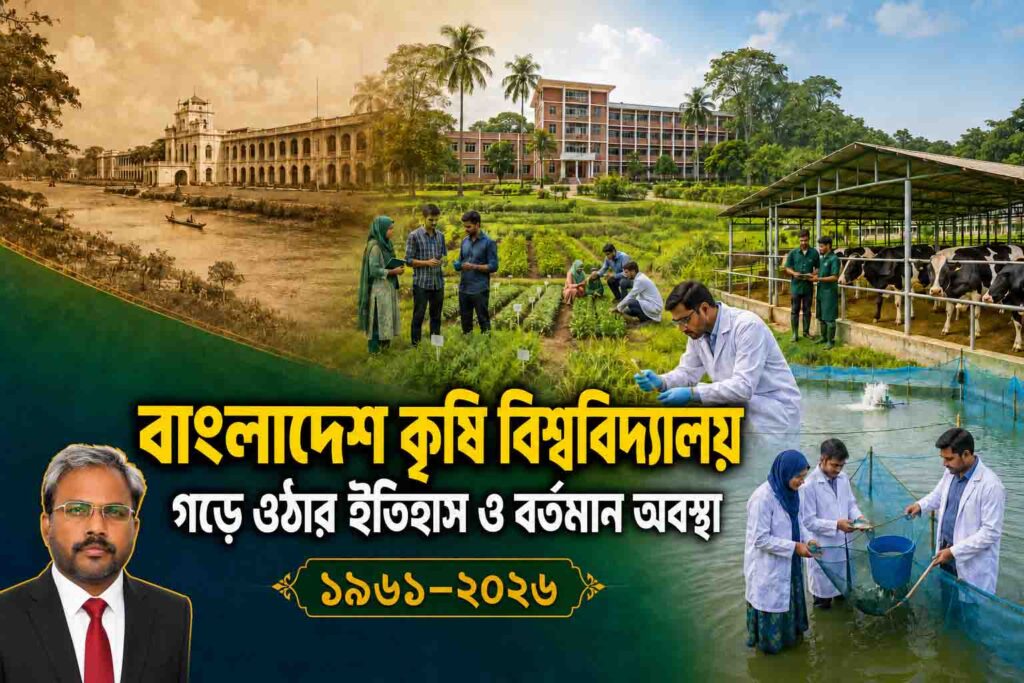
Bangladesh Agricultural University: Its History, Contributions and Current Status
A research-based report by Dr. Bayezid Moral
Among the institutions that have played the most significant roles in modernising Bangladesh’s agriculture, fisheries and livestock sectors, Bangladesh Agricultural University—widely known as BAU—stands out as one of the foremost. The university emerged from the need to address food shortages, low agricultural productivity and a severe lack of trained agriculturists and veterinarians during the 1960s. Over more than six decades, it has developed into a national centre for agricultural education, research, innovation and technology extension.
Background to Its Establishment
Although the economy of East Bengal was predominantly dependent on agriculture during British rule, opportunities for higher education and research in agriculture were extremely limited. Farmers mainly relied on traditional cultivation practices, while institutional education and research on improved seed, irrigation, pest and disease control, livestock production and modern agricultural technology remained inadequate.
The Veterinary College established in Mymensingh, along with several institutions providing education in animal husbandry, created an initial foundation for higher education in agriculture and livestock. These institutions produced veterinarians and livestock personnel, but there was still no comprehensive university capable of integrating education and research in agriculture, fisheries, livestock, agricultural engineering and agricultural economics.
Following the Partition of 1947, food shortages, low farm productivity and the scarcity of trained agriculturists and researchers became increasingly evident in the then East Pakistan. The need for a specialised agricultural university arose from the urgent necessity to feed a growing population and place agriculture on a scientific foundation.
At the end of 1958, the Government of Pakistan formed the Commission on National Education. Its 1959 report recommended establishing an independent agricultural university in East Pakistan. At about the same time, the Food and Agriculture Commission also emphasised the need to bring higher education, research, training and agricultural extension under a single institution.
On the basis of these recommendations, the government decided to establish a full-fledged agricultural university centred on the East Pakistan Veterinary College in Mymensingh. This led to the establishment of East Pakistan Agricultural University on 18 August 1961. After Bangladesh gained independence, the institution became known as Bangladesh Agricultural University.
The Formal Beginning
Following extensive planning and preparation, the country’s first specialised agricultural university was formally established in Mymensingh on 18 August 1961 through the promulgation of the East Pakistan Agricultural University Ordinance, 1961. It was initially named East Pakistan Agricultural University. After the Liberation War and the emergence of independent Bangladesh, it was renamed Bangladesh Agricultural University.
Renowned soil scientist Professor Dr M. Osman Ghani assumed office as the university’s first Vice-Chancellor on 2 September 1961. Although BAU began with limited human resources and infrastructure, it was founded with the far-reaching objective of developing a national centre for agricultural education, research and technology dissemination.
At the beginning, the university had:
- Two faculties—the Faculty of Agriculture and the Faculty of Veterinary Science
- 23 teaching departments
- 30 teachers
- 444 students
This modest institution subsequently grew into Bangladesh’s principal centre for higher education and research in agriculture, fisheries and livestock.
The Gradual Development of Six Faculties
The university rapidly expanded its academic and research activities in response to the growing needs of the country’s agriculture and food systems. Four additional faculties—Animal Husbandry, Agricultural Economics, Agricultural Engineering and Fisheries—were gradually added to the original faculties of Agriculture and Veterinary Science.
- 1961: Faculty of Agriculture
- 1961: Faculty of Veterinary Science
- 1962: Faculty of Animal Husbandry
- 1963–64 academic session: Faculty of Agricultural Economics and Rural Sociology
- 1964–65 academic session: Faculty of Agricultural Engineering and Technology
- 1967–68 academic session: Faculty of Fisheries
Notably, the Faculty of Fisheries, established in 1967, was the first full-fledged institution of higher education in fisheries in the Indian subcontinent. It ushered in a new era of institutional fisheries education, research, fish breeding, aquaculture, disease control and resource management in Bangladesh.
Campus and Infrastructure
Bangladesh Agricultural University is situated south of Mymensingh city on the western bank of the Old Brahmaputra River. Its approximately 1,200-acre campus contains academic buildings, laboratories, residential halls, farms, field-research areas, a healthcare centre, a central library, a botanical garden, and a range of training and extension facilities.
During the 1960s, celebrated American architect Paul Rudolph was commissioned to prepare the university’s master plan. Many of the campus’s major buildings and facilities were developed over the following decade in line with that plan.
The campus currently includes:
- A central library
- A botanical garden
- An agricultural museum
- The Fish Museum and Biodiversity Centre
- A veterinary teaching hospital
- Dairy, poultry, goat, fisheries and crop-research farms
- The Teacher–Student Centre
- Shilpacharya Zainul Abedin Auditorium
- A Liberation War memorial sculpture and Shaheed Minar
The main offices of the Bangladesh Institute of Nuclear Agriculture (BINA) and the Bangladesh Fisheries Research Institute (BFRI) are also located on the campus. Bangladesh Agricultural University
BAU in the Liberation War and National History
Teachers and students of Bangladesh Agricultural University actively participated in the Mass Uprising of 1969 and the Liberation War of 1971. Many teachers, students, officers and employees joined the Liberation War, and several members of the university community made the ultimate sacrifice.
After independence, BAU played an important role in restoring food production, rebuilding the war-ravaged agricultural sector and educating a new generation of agricultural professionals.
BAU’s Historic Contribution to Agricultural Development
At independence, agriculture in Bangladesh was largely based on traditional technology and knowledge passed down within families. Crop yields were low, access to quality seed and irrigation was limited, and the use of agricultural machinery was minimal. Livestock and poultry productivity was poor, and disease caused the death of large numbers of animals every year. Fisheries production remained heavily dependent on natural water bodies. Ensuring national food security therefore required trained agriculturists, veterinarians, fisheries specialists, agricultural engineers and agricultural economists.
BAU played a historic role in meeting this need. Its teachers, researchers and graduates have served in the ministries responsible for agriculture, fisheries and livestock; national research institutes; agricultural extension services; the departments of livestock and fisheries; private-sector organisations; and field-level development programmes. By combining teaching, research and extension, BAU helped lay the foundation for the gradual transformation of Bangladesh’s agriculture from a subsistence activity into a sector increasingly guided by science, technology and markets.
1. Crop Production and Food Security
BAU has conducted long-term research on rice, wheat, maize, pulses, oilseeds, jute, vegetables, fruits and spices. Its researchers have generated scientific knowledge on crop selection, improved cultivation practices, the optimum timing of sowing and transplanting, irrigation, weed control, fertiliser management and pest and disease control.
Research on soil fertility, balanced fertilisation, organic manure and crop-specific nutrient management has helped farmers improve productivity. Selecting crops and cropping patterns according to local soils, climate and water availability has also created opportunities to harvest several crops from the same land in a year.
The university has contributed to the diagnosis of crop diseases, control of harmful insects and integrated pest management. Research combining biological, mechanical and environmentally responsible approaches has strengthened the concept of safe food production and offered alternatives to indiscriminate pesticide use.
2. Improved Seed and Plant Breeding
Quality seed is indispensable to modern agriculture. BAU’s work in plant breeding, genetics, seed science, crop botany and biotechnology has contributed to identifying and developing plants with higher yields, resistance to disease and an ability to withstand adverse conditions.
Floods, drought, salinity, rising temperatures and emerging pests and diseases pose growing threats to Bangladesh’s agriculture. BAU researchers continue to study locally adapted varieties, conserve plant genetic resources and develop climate-resilient crops. The university’s graduates have also contributed to variety and technology development at national organisations such as the Bangladesh Rice Research Institute, Bangladesh Agricultural Research Institute and Bangladesh Institute of Nuclear Agriculture.
3. Livestock Production and Breed Development
BAU’s education and research in animal husbandry and veterinary science have supported increased productivity in cattle, buffalo, goats, sheep, poultry and ducks. Researchers have worked on breed selection, breeding, nutrition, feed formulation, farm management and increasing the production of milk, meat and eggs.
Research on the conservation of indigenous animal characteristics, planned crossbreeding, artificial insemination, early pregnancy diagnosis in cows, artificial insemination in goats, embryo transfer and improved reproductive management has opened new possibilities for livestock development.
The university has also evaluated the nutritional value of straw, grass, tree leaves, agricultural by-products and locally available feed ingredients. Research on low-cost balanced rations, urea–molasses supplements, silage, hay and the correct use of concentrate feed has helped farmers reduce production costs. BAU graduates trained in dairy and poultry science have played leading roles in the growth of Bangladesh’s commercial dairy, poultry, feed and hatchery industries.
4. Animal Disease Diagnosis, Treatment and Vaccine Research
Infectious diseases have long caused serious financial losses in Bangladesh’s livestock sector. BAU veterinary researchers have conducted important studies on the diagnosis, treatment and prevention of bacterial, viral and parasitic diseases affecting livestock, small ruminants and poultry.
The university has worked on brucellosis, Newcastle disease, pigeon pox, fowl cholera and other infectious diseases. Its research has also included molecular diagnostic methods, detection of the PPR virus, Mycoplasma antibody detection and techniques for identifying pathogens from biological samples.
This work has supported faster diagnosis, appropriate treatment and more effective vaccination programmes. BAU’s Veterinary Teaching Hospital provides practical clinical training for students while offering treatment to livestock owned by farmers and members of the public. Veterinarians trained at the university have helped expand public and private animal-health services across the country.
5. Contribution to Bangladesh’s Fisheries Revolution
Fish production in Bangladesh was once heavily dependent on rivers, haors, beels and other natural water bodies. Scientific pond aquaculture, quality seed, balanced feed and systematic water management were not yet widespread.
The establishment of BAU’s Faculty of Fisheries in 1967 marked the beginning of a new era in institutional fisheries education and research. Studies on fish breeding, hatchery management, seed production, pond preparation, stocking density, feeding, water quality and disease control created a scientific foundation for fish farmers.
BAU teachers, researchers and graduates have contributed directly and indirectly to improved farming methods for carps, tilapia, pangas, stinging catfish, walking catfish, climbing perch and many other species. Research has also addressed the conservation of indigenous small fish and threatened species, aquatic biodiversity, aquatic environments, fish processing and quality assurance. BAU thus helped transform fish from a resource primarily harvested from nature into a scientifically managed agricultural commodity.
6. Agricultural Mechanisation, Irrigation and Food Processing
Shortages of agricultural labour, increasing production costs and the need to complete farm operations on time have made mechanisation essential. BAU’s Faculty of Agricultural Engineering and Technology has researched machinery and systems for land preparation, sowing, harvesting, threshing, drying, storage and processing.
Research on irrigation, water lifting, the use of groundwater and surface water, water-saving technology and farm structures has supported agricultural modernisation. Studies on preservation, drying, cooling, packaging and food processing have helped reduce post-harvest losses and create opportunities for value addition.
7. Agricultural Economics, Markets and Rural Development
Increasing production alone cannot ensure agricultural development; farmers must also receive fair and profitable prices. BAU’s Faculty of Agricultural Economics and Rural Sociology has researched production costs, farm income, markets, price fluctuations, agricultural credit, poverty, food security and rural employment.
It has also examined women’s participation in agriculture, the livelihoods of landless people, the economics of small farms and the role of farmers’ organisations. Findings from this work have informed agricultural policy, development projects, subsidies, credit programmes and market-management decisions.
8. Agricultural Extension and Skilled Human Resources
One of BAU’s greatest contributions is the creation of generations of skilled agriculturists, veterinarians, fisheries experts, agricultural engineers, animal scientists and agricultural economists. Its graduates have held leadership positions in government departments, research institutes, universities, banks, development organisations, agribusinesses and private companies.
The Bangladesh Agricultural University Extension Centre (BAUEC) has helped take research findings to the field through training, demonstrations and farmer-focused activities. The combined impact of BAU’s teaching, research and extension has been instrumental in increasing food production, strengthening the rural economy and transforming agriculture into a science-based profession.
Education, Research and Extension: Three Core Responsibilities
The philosophy behind BAU’s establishment was centred on three interconnected responsibilities:
- Providing higher education in agriculture and related disciplines
- Conducting research based on the country’s needs and problems
- Taking research findings and technologies to farmers and the field
The Bangladesh Agricultural University Research System (BAURES) coordinates the university’s research activities, while BAUEC works to disseminate technologies among farmers, field personnel and local communities.
Current Education System
In 2026, Bangladesh Agricultural University remains one of the country’s leading institutions for higher education in agriculture, fisheries, livestock, food, the environment and the rural economy. According to the university’s official information, it currently has around 44 departments under six faculties, along with specialised institutes, research systems, extension centres, teaching hospitals and experimental farms.
BAU currently offers nine undergraduate, 51 postgraduate and 45 PhD programmes. Most undergraduate degrees are completed over four years and eight semesters, while the Doctor of Veterinary Medicine (DVM) is a five-year, ten-semester programme. The curriculum combines classroom learning with practical work in laboratories, farms, fields, hospitals, industry and rural communities. BAU Degree Programmes
Education and Research under the Six Faculties
1. Faculty of Agriculture
The Faculty of Agriculture is one of BAU’s oldest and largest faculties. Its fields include agronomy, soil science, horticulture, entomology, plant pathology, genetics and plant breeding, crop botany, agricultural extension, agricultural chemistry, biochemistry and molecular biology, biotechnology, environmental science, seed science, agroforestry and agrometeorology.
The four-year BSc in Agriculture (Honours) programme provides theoretical and practical education in crop production, seed improvement, soil fertility, pest and disease control, safe food and climate-resilient agriculture.
2. Faculty of Veterinary Science
The Faculty of Veterinary Science provides education and research on animal disease diagnosis, treatment, surgery, prevention and public health. Major fields include anatomy and histology, physiology, pharmacology, pathology, parasitology, microbiology and hygiene, medicine, and surgery and obstetrics.
Students in the five-year DVM programme study basic sciences during the early stages and later receive specialised training in diagnosis, treatment, surgery and clinical practice. Practical training is provided through the Veterinary Teaching Hospital and university farms. Faculty of Veterinary Science
3. Faculty of Animal Husbandry
The Faculty of Animal Husbandry prepares graduates in livestock and poultry production, breeding, nutrition and farm management. Its main areas are animal breeding and genetics, animal nutrition, animal science, dairy science and poultry science.
The four-year BSc in Animal Husbandry (Honours) covers breed improvement, feeding, milk, meat and egg production, farm design and commercial management. BAU’s dairy, poultry, goat and sheep farms provide important facilities for practical training.
4. Faculty of Agricultural Economics and Rural Sociology
This faculty studies farm production costs, agricultural markets, credit, food security, rural poverty and social change. Its major areas include agricultural economics, agricultural finance and banking, agribusiness and marketing, agricultural and applied statistics, and rural sociology.
Students learn economics, market analysis, value-chain management, agribusiness, statistics and development planning, preparing them for careers in government, banking, research, development projects and agricultural enterprises.
5. Faculty of Agricultural Engineering and Technology
The faculty addresses the growing demand for mechanisation, irrigation, water management, food processing and digital technology. Its major teaching areas include farm power and machinery, irrigation and water management, farm structures and environmental engineering, food technology and rural industries, and computer science and mathematics.
Its undergraduate programmes include Agricultural Engineering, Food Engineering and Bioinformatics Engineering. In 2021, BAU became the first institution in Bangladesh to introduce a BSc in Bioinformatics Engineering, combining biology, genetics, computer science, data analysis and artificial intelligence. Department of Computer Science and Mathematics
6. Faculty of Fisheries
The Faculty of Fisheries develops skilled professionals in fish breeding, aquaculture, disease management, aquatic biodiversity, fish processing and resource conservation. Its main areas include aquaculture, fisheries biology and genetics, fisheries management, fisheries technology and marine fisheries science.
Students in the BSc in Fisheries (Honours) programme study pond and water-body management, hatchery operation, seed production, fish nutrition, disease control, post-harvest preservation, and coastal and marine fisheries resources.
Current Undergraduate Programmes
BAU’s nine undergraduate programmes include:
- BSc in Agriculture (Honours)
- Doctor of Veterinary Medicine (DVM)
- BSc in Animal Husbandry (Honours)
- BSc in Agricultural Economics (Honours)
- BSc in Agricultural Engineering
- BSc in Food Engineering
- BSc in Fisheries (Honours)
- BSc in Food Safety Management (Honours)
- BSc in Bioinformatics Engineering
Alongside core agricultural and biological sciences, these programmes include English, information technology, statistics, economics, business, communication and entrepreneurship development.
Postgraduate and PhD Education
Most BAU departments offer master’s and PhD opportunities. At the master’s level, students complete advanced coursework and a research-based thesis. PhD programmes emphasise the creation of new knowledge, technologies, varieties, disease-control systems, production methods and policy solutions.
The central academic and research bodies supervise postgraduate and doctoral research. BAU also conducts collaborative studies with universities, research organisations and development partners in Bangladesh and abroad.
Specialised Institutes and Supporting Institutions
BAU’s multidisciplinary education and research are supported by several specialised institutes, including:
- Graduate Training Institute (GTI)
- Institute of Agribusiness and Development Studies (IADS)
- Interdisciplinary Institute for Food Security (IIFS)
- Haor and Char Development Institute
- Institute of Biotechnology
- Institute of Environmental Science and Disaster Management
GTI trains teachers, researchers and professionals in research methodology, statistics, teaching methods and project management. IADS works on agribusiness, entrepreneurship and development studies. IIFS brings together knowledge from different faculties to address food production, nutrition and food security. The Haor and Char Development Institute examines agriculture, livelihoods and disaster risks in Bangladesh’s distinctive geographical regions. BAU at a Glance
Integrating Theory with Practical Education
A defining feature of BAU’s educational system is the integration of classroom theory with field and laboratory practice. Students work directly in crop fields, fish ponds, hatcheries, dairy and poultry farms, the veterinary hospital, food-processing laboratories and rural communities.
BAU’s education is therefore not confined to earning a degree. It is designed to develop the ability to identify practical agricultural problems, produce scientific solutions and transfer useful technologies to farmers and entrepreneurs.
Current Profile of Teachers and Students
According to Times Higher Education data for 2026, BAU has approximately 7,855 students, with a student-to-staff ratio of about 13.3:1. Women account for around 45 per cent of the student body and men 55 per cent, while international students represent about one per cent. Figures published by different sources may vary slightly, but BAU currently operates with close to 8,000 students and more than 500 teachers. Times Higher Education—BAU
International Standing
BAU’s international reputation is strongest in agriculture, livestock, fisheries and the life sciences.
| Ranking | BAU’s Position |
|---|---|
| Times Higher Education World University Rankings 2026 | 1001–1200 |
| THE Life Sciences 2026 | 601–800 |
| QS Agriculture and Forestry 2026 | 251–300 |
| ShanghaiRanking Agricultural Sciences 2025 | 201–300 |
| ShanghaiRanking Veterinary Sciences 2025 | 201–300 |
In the QS Agriculture and Forestry Subject Rankings 2026, BAU was placed in the global 251–300 band and ranked first among Bangladeshi universities in the subject. Overall university rankings and subject rankings, however, are not the same. BAU performs comparatively strongly in agriculture, while its overall international standing still has room for improvement. QS Agriculture and Forestry, ShanghaiRanking
Current Vice-Chancellor
As of 2026, Professor Dr A. K. Fazlul Haque Bhuiyan serves as the Vice-Chancellor of Bangladesh Agricultural University. The university’s stated objective is to modernise education, research and extension and establish BAU as an institution of international standing in agricultural education. Office of the Vice-Chancellor
BAU’s Principal Strengths
- A large campus conducive to research
- Education across nearly every major branch of agriculture, fisheries and livestock
- University farms and experimental land for field research
- An extensive network of experienced teachers and researchers
- Strong links with government research and extension agencies
- A large and influential alumni community
- Direct relevance to national food security
- International recognition in agriculture and forestry
Current Challenges
Research Funding
Modern agricultural research requires genomics, artificial intelligence, robotics, advanced diagnostics, climate modelling and sophisticated laboratories. BAU needs sustained long-term investment to expand its capacity in these areas.
Taking Research to Farmers
Some research findings remain confined to journals and laboratories. Research results must be converted into affordable, practical technologies and delivered to farmers, with clear pathways for commercial adoption.
Internationalisation
The numbers of international students and faculty remain limited. BAU needs more joint degrees, international laboratories, visiting faculty, postdoctoral research opportunities and internationally competitive accommodation and services.
Climate Change
Salinity, drought, flash floods in haor areas, emerging diseases and rising temperatures are creating new agricultural risks. A growing share of BAU’s future research must focus on climate-resilient agriculture.
Developing Agricultural Entrepreneurs
Beyond preparing graduates for government employment, BAU needs to develop technology-driven agricultural entrepreneurs, start-ups, value-chain specialists and food-processing professionals.
Research Quality and Accountability
Alongside increasing publication volume, BAU must emphasise real-world impact, transparent data, research ethics, intellectual-property protection and effective technology transfer.
Priorities for the Future
Bangladesh’s agriculture is passing through a period of rapid change. Climate change, loss of agricultural land, rising production costs, demand for safe food, labour shortages, emerging diseases and international competition are generating new challenges. To respond effectively, BAU must combine its traditional strengths in teaching and research with future-oriented technology, farmers’ practical needs and market demand.
1. Climate-Resilient Crop and Animal Breeds
Research must focus on short-duration, high-yielding crops capable of withstanding flood, drought, salinity, waterlogging and heat. BAU should also identify and improve cattle, goats, poultry and fish able to perform under high temperatures and adverse environments. Long-term regional research is needed to determine which crops, animals and fish will be most suitable under changing climatic conditions.
2. Safe Food and Antimicrobial Resistance
Excessive pesticide use, unnecessary antibiotics in animal treatment and unsafe ingredients in fish and livestock feed can threaten public health. BAU should pursue a One Health approach integrating human, animal and environmental health. Priority areas include responsible antibiotic use, alternative therapies, probiotics, herbal products, effective vaccines, rapid diagnostics and stronger testing for chemical residues and pathogens in milk, eggs, meat, fish, vegetables and fruit.
3. Artificial Intelligence, Sensors and Drones in Agriculture
Future agriculture will be driven by information and technology. Artificial intelligence, satellite data, drones, robotics, sensors and the Internet of Things can be used to monitor crops, soil moisture, temperature, water quality, animal health, feed intake and production. BAU should bring together agriculturists, engineers, livestock specialists, fisheries experts and computer scientists to develop affordable smart-farming technologies accessible to small and marginal farmers.
4. Domestic Production of Animal Vaccines and Diagnostics
Lumpy skin disease, PPR, foot-and-mouth disease, avian influenza, Newcastle disease and other infections cause substantial losses to farmers. BAU should collaborate with government research organisations and domestic pharmaceutical companies to develop vaccines, antigens, antibodies and rapid diagnostic kits. This must include field validation, regulatory approval, quality control and commercial production—not laboratory development alone.
5. Conservation of Indigenous Genetic Resources
Bangladesh’s indigenous rice, vegetables, fruits, fish, cattle, buffalo, goats, sheep, ducks and chickens contain valuable genetic traits. Many are threatened by unplanned crossbreeding, habitat loss and extensive use of exotic breeds. BAU should strengthen gene banks, seed banks, cryopreservation and live conservation farms, while developing incentive and support models for farmers who preserve local genetic resources.
6. Processing and Export-Oriented Technology
Weaknesses in storage, transport and marketing cause large post-harvest losses. BAU should prioritise collection, grading, cooling, storage, processing, packaging and export standards. Research should support safe, value-added products from fruits, vegetables, milk, meat, fish and eggs. Pilot processing centres and start-up incubators could help turn research findings into commercially viable products.
7. Farmers’ Production Costs and Fair Prices
The rising costs of fertiliser, seed, feed, medicine, electricity, fuel and labour are reducing farm profitability. BAU should regularly determine real production costs, assess the role of intermediaries, analyse transport expenses and price fluctuations, and identify the farmer’s share of consumer prices. This evidence could guide minimum support prices, agricultural insurance, contract farming, digital markets and direct farmer-to-consumer systems.
8. Women and Young Agricultural Entrepreneurs
Agriculture must be presented to young people as a technology- and profit-driven enterprise rather than merely a labour-intensive occupation. Curricula should include business planning, accounting, digital marketing, branding, exports and risk management. BAU can provide women and young entrepreneurs with training, technology, mentoring and platforms to test new business ideas.
9. Stronger Research–Industry–Farmer Linkages
University research becomes meaningful when its benefits reach farmers, entrepreneurs and consumers. Researchers, public extension workers, private companies and farmer organisations need permanent channels of collaboration. Farmers’ problems and market demand should be assessed before research begins; technologies should then be field-tested, economically evaluated, refined through farmer feedback and supported through commercial production. Technology-transfer offices, patents, intellectual-property protection and research-based start-ups deserve greater emphasis.
10. Region-Specific Technologies for Haors, Chars, Coasts and Hills
Agricultural problems vary greatly across Bangladesh. Haor areas face flash floods, chars face erosion and sandy soils, coastal areas confront salinity and cyclones, and hill regions suffer from soil erosion and water scarcity. BAU should develop locally appropriate solutions: short-duration crops and floating agriculture for haors; drought-tolerant crops and livestock systems for chars; salt-tolerant agriculture and integrated aquaculture for coastal areas; and soil- and water-conservation technologies for the hills.
BAU’s future responsibility is therefore not limited to producing qualified graduates. It must generate practical solutions for food security, farmers’ fair income, public health and environmental protection. By strengthening the bridge between laboratories, industry and farmers’ fields, the university can remain a central driving force in Bangladesh’s agricultural development.
Conclusion
Bangladesh Agricultural University is more than an institution of higher education; it is one of the principal driving forces behind the development of agriculture, fisheries and livestock in Bangladesh. Beginning with only 30 teachers, 444 students and two faculties, it has grown into a distinguished national institution with six faculties, approximately 44 departments, thousands of students and extensive teaching and research infrastructure.
BAU’s contribution to increased food production, the education of skilled agriculturists, veterinarians, fisheries specialists and agricultural engineers, and the transformation of agriculture through science and technology is historic. I also share a deep academic and personal connection with this university. I earned my PhD under the supervision of renowned Professor Dr M. A. Rahim of BAU’s Department of Horticulture. His knowledge, research discipline and guidance have had a profound influence on my education, research and professional life.
If BAU can preserve its proud heritage while improving research quality, expanding international collaboration, commercialising innovation and strengthening direct engagement with farmers, it has the potential to become one of South Asia’s foremost centres of agricultural education and research.