
















সাকার মাছমুক্ত জলাশয় চাই
সরকারের উদ্যোগের সঙ্গে জনতার অংশগ্রহণে গড়ে উঠুক দেশীয় মাছ রক্ষার সামাজিক আন্দোলন।।
কৃষি সাংবাদিক ড. বায়েজিদ মোড়লের গবেষণাধর্মী প্রতিবেদন
সম্পাদক, AgricultureNews24.com

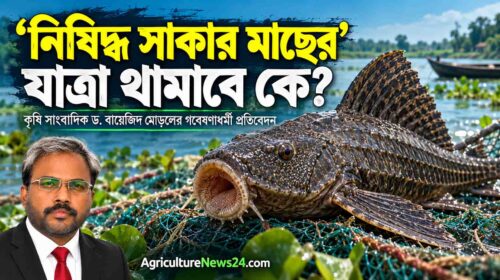
বাংলাদেশের নদী, খাল, বিল, হাওর ও পুকুর আমাদের খাদ্য, জীবিকা এবং সংস্কৃতির অবিচ্ছেদ্য অংশ। এসব জলাশয়ের সঙ্গে জড়িয়ে আছে জেলের সংসার, মাছচাষির স্বপ্ন এবং অসংখ্য মানুষের কর্মসংস্থান। সেই জলজ পরিবেশে আগ্রাসী বিদেশি সাকার মাছের বিস্তার আমাদের নতুন করে ভাবতে বাধ্য করছে। দেশীয় মাছের নিরাপদ আবাস রক্ষায় আজ তাই একটি দাবি মানুষের কণ্ঠে ছড়িয়ে পড়া প্রয়োজন—সাকার মাছমুক্ত জলাশয় চাই।
সরকার ও মৎস্য ও প্রাণিসম্পদ মন্ত্রণালয় সাকার মাছ নিয়ে কাজ শুরু করেছে। এই উদ্যোগকে স্বাগত জানিয়ে এখন প্রয়োজন সর্বস্তরের মানুষের সক্রিয় অংশগ্রহণ। সরকারের কার্যক্রমের সঙ্গে গবেষকদের জ্ঞান, জেলেদের অভিজ্ঞতা, মাছচাষিদের সহযোগিতা এবং সাধারণ মানুষের সচেতনতা যুক্ত হলে দেশীয় মাছ রক্ষার প্রচেষ্টা একটি শক্তিশালী সামাজিক আন্দোলনে পরিণত হতে পারে।
গবেষণা আমাদের কী বার্তা দিচ্ছে
সাধারণভাবে সাকার নামে পরিচিত মাছগুলোর মধ্যে Pterygoplichthys গণের একাধিক প্রজাতি রয়েছে। দক্ষিণ আমেরিকার এসব মাছ বাহারি মাছের বাণিজ্যের মাধ্যমে বিভিন্ন দেশে ছড়িয়েছে। বাংলাদেশবিষয়ক গবেষণায় অ্যাকুয়ারিয়াম থেকে ইচ্ছাকৃত ও অনিচ্ছাকৃত অবমুক্তিকে বিস্তারের গুরুত্বপূর্ণ পথ হিসেবে উল্লেখ করা হয়েছে। প্রাকৃতিক জলাশয়ে স্থায়ীভাবে বংশবিস্তার শুরু করলে এদের নির্মূল করা কঠিন হয়ে পড়ে। agris.fao.org
২০২৪ সালে Aquatic Invasions সাময়িকীতে প্রকাশিত গবেষণায় সংবাদ প্রতিবেদন ও ব্যক্তিগত যোগাযোগের ভিত্তিতে ২০১৪ থেকে ২০২১ সালের মধ্যে বাংলাদেশের ৩৪টি জেলায় সাকার মাছ পাওয়ার ৬৫টি ঘটনার তথ্য সংকলন করা হয়। এটি দেশব্যাপী সরাসরি মাছ গণনার ফল নয়; তবে বিভিন্ন এলাকায় মাছটির উপস্থিতি ও বিস্তারের ঝুঁকি বোঝার গুরুত্বপূর্ণ সূত্র। www.researchgate.net
এসব তথ্য আমাদের সতর্ক ও সংগঠিত হওয়ার প্রয়োজন বোঝায়। কোন জলাশয়ে সাকার মাছ রয়েছে, কোথায় নতুন করে পাওয়া যাচ্ছে এবং কোথায় কী ধরনের নিয়ন্ত্রণ কার্যকর হবে—এসব প্রশ্নের উত্তর খুঁজেই এগোতে হবে।
সরকারের উদ্যোগকে মানুষের আন্দোলনে রূপ দিতে হবে
সাকার মাছের বিস্তার প্রতিরোধে সরকার আইনগত পদক্ষেপ নিয়েছে। ২০২৩ সালের জানুয়ারিতে জারি করা প্রজ্ঞাপনের বিষয়ে রাষ্ট্রীয় সংবাদ সংস্থা বাসস জানায়, সাকার মাছের আমদানি, চাষ, পরিবহন, বিক্রয়, সরবরাহ ও সংরক্ষণ নিষিদ্ধ করা হয়েছে। এই সিদ্ধান্ত বিস্তার নিয়ন্ত্রণের একটি গুরুত্বপূর্ণ নীতিগত ভিত্তি। www.bssnews.net
সরকারের চলমান উদ্যোগকে সফল করতে এখন এই বার্তা মানুষের কাছে পৌঁছে দেওয়া প্রয়োজন—দেশীয় মাছ ও জলাশয় রক্ষায় প্রত্যেকের ভূমিকা রয়েছে। স্থানীয় মৎস্য বিভাগের সঙ্গে জেলে, মাছচাষি, জনপ্রতিনিধি, শিক্ষক, শিক্ষার্থী ও স্বেচ্ছাসেবীদের যুক্ত করা গেলে তথ্য সংগ্রহ ও সচেতনতার কাজ আরও বিস্তৃত হতে পারে।
জেলে জানাবেন তাঁর জালে কী উঠছে। মাছচাষি জানাবেন পুকুরের পরিবর্তন। গবেষক যাচাই করবেন প্রজাতি ও পরিবেশগত প্রভাব। মৎস্য বিভাগ নির্ধারণ করবে উপযুক্ত করণীয়। গণমাধ্যম মানুষের কাছে পৌঁছে দেবে যাচাই করা তথ্য। দায়িত্বের এই সমন্বয়ই আন্দোলনকে কার্যকর করবে।
আন্দোলন শুরু হোক জলাশয়ের পাড় থেকে
সাকার মাছের বিস্তার নিয়ন্ত্রণকে গ্রাম, পাড়া ও মহল্লার আলোচনায় নিয়ে আসতে হবে। জেলেপল্লি, মাছচাষিদের সংগঠন ও শিক্ষাপ্রতিষ্ঠানে দেশীয় মাছ রক্ষার সচেতনতা গড়ে তুলতে হবে। প্রতিটি এলাকার মানুষ জানুক, সাকার মাছ পাওয়া গেলে কোথায় তথ্য দিতে হবে এবং কীভাবে সংশ্লিষ্ট কর্তৃপক্ষের নির্দেশনা অনুসরণ করতে হবে।
এই সামাজিক আন্দোলনের কয়েকটি সুস্পষ্ট অঙ্গীকার থাকা প্রয়োজন।
প্রথম অঙ্গীকার—অ্যাকুয়ারিয়ামের মাছ প্রাকৃতিক জলাশয়ে ছেড়ে দেওয়া বন্ধ করা। একটি মাছ ছেড়ে দেওয়ার সিদ্ধান্তও নতুন এলাকায় বিস্তারের পথ তৈরি করতে পারে।
দ্বিতীয় অঙ্গীকার—সাকার মাছের উপস্থিতির তথ্য জানানো। সম্ভব হলে ছবি, স্থান ও তারিখসহ স্থানীয় মৎস্য দপ্তরকে অবহিত করতে হবে। অপরিচিত মাছ দেখেই সাকার ধরে নেওয়া যাবে না; শনাক্তকরণে প্রয়োজনে বিশেষজ্ঞের সহায়তা নিতে হবে।
তৃতীয় অঙ্গীকার—কর্তৃপক্ষের নির্দেশনায় নিয়ন্ত্রণ কার্যক্রমে সহযোগিতা করা। সংগ্রহ, অপসারণ ও নিষ্পত্তির কাজ কীভাবে হবে, তা সংশ্লিষ্ট দপ্তরের তত্ত্বাবধানে নির্ধারণ করা প্রয়োজন।
চতুর্থ অঙ্গীকার—দেশীয় মাছ ও অন্য জলজ প্রাণীর নিরাপত্তা রক্ষা করা। সাকার নিয়ন্ত্রণের নামে বিষ প্রয়োগ বা নির্বিচারে মাছ নিধনের মতো কাজ আন্দোলনের উদ্দেশ্যকেই ব্যর্থ করবে।
আবেগের সঙ্গে থাকতে হবে বৈজ্ঞানিক পরিকল্পনা
“সাকার মাছমুক্ত জলাশয় চাই”—এই দাবি মানুষকে ঐক্যবদ্ধ করতে পারে। দাবিটিকে বাস্তব ফলাফলে পৌঁছাতে প্রয়োজন জলাশয়ভিত্তিক পরিকল্পনা। ছোট বদ্ধ পুকুর এবং বড় উন্মুক্ত নদীতে একই ব্যবস্থা কার্যকর হবে না। কোথাও দ্রুত অপসারণ, কোথাও নতুন প্রবেশ ঠেকানো, কোথাও দীর্ঘমেয়াদি নিয়ন্ত্রণকে অগ্রাধিকার দিতে হবে।
কার্যক্রমের সাফল্যও নিয়মিত মূল্যায়ন করতে হবে। কতটি সাকার মাছ সরানো হলো, তার সঙ্গে দেখতে হবে মাছটি আবার ফিরে আসছে কি না, নতুন জলাশয়ে ছড়াচ্ছে কি না এবং দেশীয় মাছের অবস্থার উন্নতি হচ্ছে কি না। স্থানীয় মানুষের অভিজ্ঞতা ও গবেষণার ফল মিলিয়ে কর্মপদ্ধতি উন্নত করতে হবে।
দেশীয় মাছ কমে যাওয়ার সব দায় শুধু সাকার মাছের ওপর চাপালে সমস্যার পূর্ণ সমাধান হবে না। দূষণ, আবাসস্থল ধ্বংস ও অতিরিক্ত আহরণের প্রভাবও মূল্যায়ন করতে হবে। সাকার নিয়ন্ত্রণের পাশাপাশি জলাশয়ের সুস্থ পরিবেশ ফিরিয়ে আনার কাজ এগিয়ে নিতে হবে।
জেগে উঠুক দেশীয় মাছ রক্ষার শক্তি
এই আন্দোলনের কেন্দ্রে থাকবেন জলাশয়নির্ভর মানুষ। সেই জেলে, যিনি প্রতিদিন জীবিকার আশায় জাল ফেলেন। সেই মাছচাষি, যিনি শ্রম ও সঞ্চয় বিনিয়োগ করেন উৎপাদনে। সেই তরুণ, যিনি নিজের এলাকার নদী ও বিলকে প্রাণবন্ত দেখতে চান।
সরকার ও মৎস্য ও প্রাণিসম্পদ মন্ত্রণালয়ের শুরু করা উদ্যোগকে জনসম্পৃক্ততার শক্তি দেওয়ার সময় এখনই। প্রতিটি আক্রান্ত জলাশয়ের তথ্য পৌঁছাক দায়িত্বপ্রাপ্ত দপ্তরে। প্রতিটি এলাকায় তৈরি হোক সচেতনতা। গবেষণা ও মাঠের অভিজ্ঞতার ভিত্তিতে চলুক নিয়ন্ত্রণ কার্যক্রম।
সাকার মাছমুক্ত জলাশয়ের প্রত্যাশা হয়ে উঠুক দেশীয় মাছ, জীববৈচিত্র্য ও মানুষের জীবিকা রক্ষার সম্মিলিত অঙ্গীকার। এই আন্দোলনের শক্তি হোক বিজ্ঞান, দায়িত্ববোধ ও মানুষের অংশগ্রহণ।
সাকার মাছমুক্ত জলাশয় চাই।
দেশীয় মাছের নিরাপদ আবাস চাই।
সরকারের উদ্যোগে, জনতার অংশগ্রহণে—জলাশয়ে প্রাণ ফেরাই।
তথ্যসূত্র:
১. Hossain et al. (2024), Aquatic Invasions, 19(1): 121–136—বাংলাদেশে সাকার মাছের বিস্তার ও সম্ভাব্য প্রভাববিষয়ক গবেষণা।
২. বাংলাদেশ সংবাদ সংস্থা (বাসস), ২৫ জানুয়ারি ২০২৩—সাকার মাছ নিষিদ্ধের প্রজ্ঞাপনসংক্রান্ত সংবাদ।
৩. FAO AGRIS—সাকার মাছবিষয়ক গবেষণার তথ্যভান্ডার।
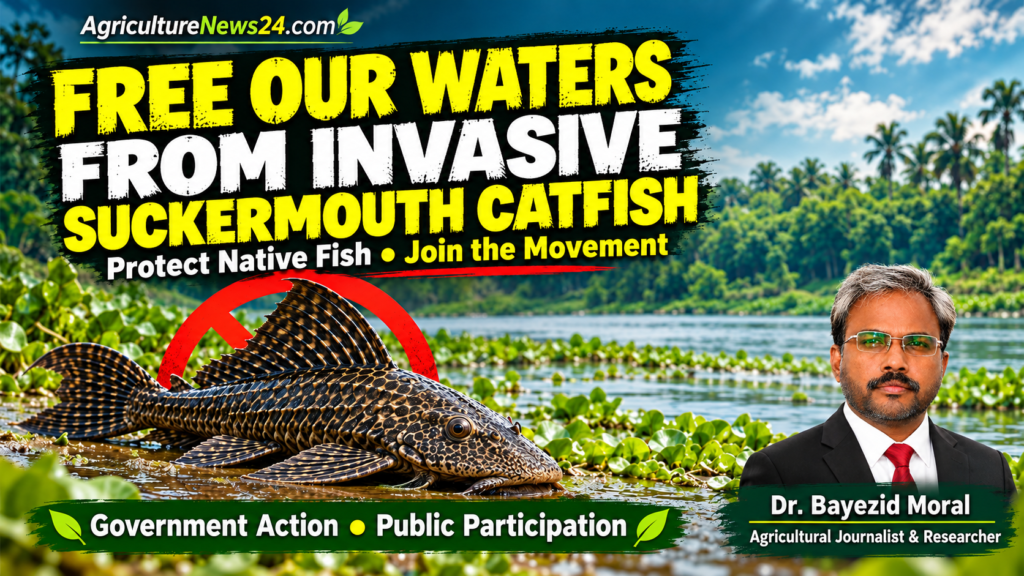
We Want Water Bodies Free of Invasive Suckermouth Catfish
Let government action and public participation build a movement to protect Bangladesh’s native fish
A Research-Based Report by Agricultural Journalist Dr. Bayezid Moral
Editor, AgricultureNews24.com
Bangladesh’s rivers, canals, wetlands, haors and ponds are inseparable from our food, livelihoods and culture. They sustain fishing families, support fish farmers’ aspirations and provide employment for countless people. The spread of invasive suckermouth catfish, commonly known locally as “sucker fish,” calls for renewed attention to the future of these aquatic environments. To protect safe habitats for native fish, a shared demand must now find its voice: We want water bodies free of invasive suckermouth catfish.
The government and the Ministry of Fisheries and Livestock have begun addressing this issue. Their initiative deserves support and active public participation. By bringing together government action, scientific knowledge, fishers’ experience, fish farmers’ cooperation and public awareness, Bangladesh can build a strong social movement to protect its native fish.
What Research Tells Us
Fish commonly called suckermouth catfish include several species of the genus Pterygoplichthys. Native to South America, these fish have spread to other countries through the ornamental fish trade. Research concerning Bangladesh identifies intentional and accidental releases from aquariums as important pathways of introduction. Once breeding populations become established in natural waters, eradication becomes difficult. agris.fao.org
A study published in Aquatic Invasions in 2024 compiled 65 occurrence records from 34 districts of Bangladesh between 2014 and 2021, using newspaper reports and personal communications. These records do not constitute a nationwide population census, but they provide important evidence of the fish’s presence across different areas and the risk of further spread. www.researchgate.net
These findings underline the need for informed, coordinated action. We must identify affected water bodies, detect new occurrences and determine which control measures are suitable for each location.
Turning Government Action into a Public Movement
The government has already taken legal steps to prevent the spread of suckermouth catfish. According to the state news agency Bangladesh Sangbad Sangstha, a notification issued in January 2023 prohibited their import, culture, transport, sale, supply and conservation. This decision established an important policy foundation for control efforts. www.bssnews.net
To support the government’s ongoing initiative, one message must reach communities across the country: everyone has a role in protecting native fish and aquatic habitats. Connecting local fisheries offices with fishers, fish farmers, elected representatives, teachers, students and volunteers can strengthen both reporting and public awareness.
Fishers can report what appears in their nets. Fish farmers can describe changes in their ponds. Researchers can verify species and assess environmental effects. Fisheries authorities can determine appropriate action. The media can communicate verified information. This coordination can turn public concern into practical results.
Let the Movement Begin at the Water’s Edge
Controlling the spread of suckermouth catfish should become a subject of discussion in villages and neighbourhoods. Fishing communities, fish farmers’ associations and educational institutions can help build awareness about protecting native species. People need clear guidance on where to report sightings and how to follow the instructions of the relevant authorities.
This movement should rest on several clear commitments.
The first is to stop releasing aquarium fish into natural waters. Even a single release can create an opportunity for an invasive species to spread into a new area.
The second is to report sightings. Where possible, reports should include a photograph, location and date and be submitted to the local fisheries office. An unfamiliar fish should not automatically be assumed to be an invasive suckermouth catfish; expert identification may be necessary.
The third is to support control activities under official guidance. Collection, removal and disposal procedures should be determined and supervised by the responsible authorities.
The fourth is to protect native fish and other aquatic life throughout the process. Poisoning water bodies or killing fish indiscriminately would undermine the very purpose of this movement.
Public Commitment Needs Scientific Planning
The call for water bodies free of invasive suckermouth catfish can unite people. Achieving measurable results requires plans suited to individual water bodies. A small, enclosed pond and a large, open river will require different approaches. Rapid removal may be appropriate in some locations, prevention of new introductions in others, and sustained population control elsewhere.
Progress must also be assessed regularly. Alongside recording how many invasive fish have been removed, monitoring should examine whether they return, whether they spread to new waters and whether native fish populations improve. Community experience and scientific findings should guide adjustments to control methods.
Nor should every decline in native fish be attributed to suckermouth catfish. Pollution, habitat destruction and excessive harvesting must also be assessed. Control efforts should advance alongside work to restore healthy aquatic environments.
Mobilising Bangladesh to Protect Native Fish
People whose lives depend on water bodies must remain at the heart of this movement: the fisher who casts a net each day to support a family; the fish farmer who invests labour and savings in production; and the young person who wants to see a local river or wetland full of life.
Now is the time to strengthen the government and the Ministry of Fisheries and Livestock’s initiative through public participation. Information from affected water bodies should reach the responsible offices. Awareness should grow in every community. Control activities should proceed through research, local knowledge and coordinated action.
The aspiration for water bodies free of invasive suckermouth catfish should become a shared commitment to protecting native fish, biodiversity and livelihoods. Let science, responsibility and public participation give this movement its strength.
We want water bodies free of invasive suckermouth catfish.
We want safe habitats for native fish.
Through government action and public participation, let us restore life to our waters.