
















ব্রাহমানের সংকরায়ণে বিশ্বে নতুন গরুর জাত: কোথায় স্বীকৃতি, কোথায় শুধু সংকর পরিচয়?
কৃষি সাংবাদিক ড. বায়েজিদ মোড়লের গবেষণাধর্মী প্রতিবেদন
ড. বায়েজিদ মোড়ল | সম্পাদক, AgricultureNews24.com

ব্রাহমানের সংকরায়ণে একাধিক প্রতিষ্ঠিত গরুর জাত তৈরি হয়েছে। তবে ‘নতুন জাত হিসেবে সরকারি স্বীকৃতি’, ‘ব্রিড অ্যাসোসিয়েশনের হার্ডবুকে নিবন্ধন’ এবং ‘সাধারণ সংকর গরুর রেকর্ড’—এই তিনটি আলাদা বিষয়। এগুলো এক করে দেখলে নিবন্ধিত ও অনিবন্ধিত জাতের তালিকা ভুল হওয়ার ঝুঁকি থাকে।
নিচে সেই পার্থক্য বজায় রেখে একটি সূত্রভিত্তিক গবেষণা প্রতিবেদন দেওয়া হলো।
তথ্য যাচাই: ২৮ অক্টোবর ২০২৬। এটি প্রকাশিত গবেষণা, সংশ্লিষ্ট ব্রিড অ্যাসোসিয়েশনের নথি ও সরকারি উৎসের ভিত্তিতে প্রস্তুত পর্যালোচনামূলক প্রতিবেদন; বিশ্বব্যাপী সব নিবন্ধন কর্তৃপক্ষের পূর্ণাঙ্গ জরিপ নয়।
সংকর থেকে নতুন জাত: পার্থক্যটি কোথায়?
ব্রাহমানের সঙ্গে অন্য জাতের গরুর প্রজনন ঘটালেই প্রথম প্রজন্মের বাছুর একটি নতুন জাত হয়ে যায় না। নতুন জাত প্রতিষ্ঠার ক্ষেত্রে ধারাবাহিক নির্বাচন, নির্ধারিত প্রজনন কর্মসূচি, বংশপরিচয় সংরক্ষণ এবং সংশ্লিষ্ট নিবন্ধনব্যবস্থার শর্ত গুরুত্বপূর্ণ।
এ কারণে একই সংকরায়ণ থেকে জন্ম নেওয়া সব পশুর নিবন্ধনমর্যাদা সমান নয়। উদাহরণস্বরূপ, অস্ট্রেলিয়ার ব্র্যাঙ্গাস ব্যবস্থায় Commercial, Enrolment, Foundation ও Registered—আলাদা স্তর আছে। প্রথম প্রজন্মের Angus–Brahman সংকর Enrolment পর্যায়ে নথিভুক্ত হতে পারে; Registered পর্যায়ের জন্য অতিরিক্ত শর্ত রয়েছে। Brangus.com.au
এই প্রতিবেদনে স্বীকৃতিকে তিনভাবে বিবেচনা করা হয়েছে:
| স্বীকৃতি বা নিবন্ধনের ধরন | এর অর্থ |
|---|---|
| সরকারি জাতস্বীকৃতি | সংশ্লিষ্ট সরকারি কর্তৃপক্ষ জাতটিকে আনুষ্ঠানিকভাবে স্বীকৃতি দিয়েছে—এমন নথি বা নির্ভরযোগ্য প্রাতিষ্ঠানিক বিবরণ আছে |
| ব্রিড অ্যাসোসিয়েশন/হার্ডবুক নিবন্ধন | নির্দিষ্ট নিয়মে পশুর বংশপরিচয় ও জাতগত পরিচয় নিবন্ধিত হয়; এটিকে স্বয়ংক্রিয়ভাবে সরকারি জাতস্বীকৃতি বলা যাবে না |
| সংকর, কম্পোজিট বা গবেষণা জনগোষ্ঠী | সংকরায়ণ ও ব্যবহার প্রমাণিত; স্বতন্ত্র জাত হিসেবে নিবন্ধনের অবস্থান আলাদাভাবে যাচাই করতে হয় |
১. যুক্তরাষ্ট্র: সরকারি স্বীকৃতি ও হার্ডবুক—দুই ধরনের স্পষ্ট উদাহরণ
ব্রাহমানের সংকরায়ণে প্রতিষ্ঠিত জাতের গুরুত্বপূর্ণ উদাহরণগুলো যুক্তরাষ্ট্রে পাওয়া যায়।
| জাত | মূল সংকরায়ণ ও প্রচলিত বংশগত অনুপাত | স্বীকৃতি ও নিবন্ধনের প্রমাণ |
|---|---|---|
| সান্তা গারট্রুডিস—Santa Gertrudis | ব্রাহমান ৩/৮ + শর্টহর্ন ৫/৮ | যুক্তরাষ্ট্রের কৃষি বিভাগ—USDA—১৯৪০ সালে স্বতন্ত্র মাংসের জাত হিসেবে স্বীকৃতি দেয় |
| বিফমাস্টার—Beefmaster | ব্রাহমান × হেয়ারফোর্ড × শর্টহর্ন | সংশ্লিষ্ট অ্যাসোসিয়েশনের ইতিহাস অনুযায়ী USDA ১৯৫৪ সালে স্বীকৃতি দেয় |
| ব্র্যাঙ্গাস—Brangus | ব্রাহমান ৩/৮ + অ্যাঙ্গাস ৫/৮ | ১৯৪৯ সাল থেকে ব্রিড রেজিস্ট্রি; বর্তমান IBBA ব্যবস্থায় নিবন্ধন |
| ব্রাফোর্ড—Braford | ব্রাহমান × হেয়ারফোর্ড; প্রচলিত মান ব্রাহমান ৩/৮ + হেয়ারফোর্ড ৫/৮ | International Braford Association ১৯৬৯ সালে নিবন্ধন শুরু করে; পরবর্তী একীভূত সংস্থা United Braford Breeders |
| সিমব্রাহ—Simbrah | Purebred শ্রেণিতে সিমেন্টাল ৫/৮ + ব্রাহমান ৩/৮ | American Simmental Association ১৯৭৭ সালে রেজিস্ট্রিতে অন্তর্ভুক্ত করে |
| শারব্রে—Charbray | ঐতিহাসিকভাবে শারোলে × ব্রাহমান; বর্তমান মার্কিন নিয়মে বিস্তৃত Bos indicus উপাদান অনুমোদিত | American-International Charolais Association-এর পৃথক Charbray নিবন্ধন বিভাগ আছে |
সান্তা গারট্রুডিসের ক্ষেত্রে King Ranch ও সংশ্লিষ্ট ব্রিড অ্যাসোসিয়েশন—উভয়ের ইতিহাসে ১৯৪০ সালের সরকারি স্বীকৃতির উল্লেখ রয়েছে। অন্যদিকে Beefmaster Breeders United-এর ইতিহাসে ১৯৫৪ সালের USDA স্বীকৃতি স্পষ্টভাবে উল্লেখ করা হয়েছে। অতএব এ দুটি জাতের ক্ষেত্রে সরকারি স্বীকৃতির দাবি করার প্রাতিষ্ঠানিক ভিত্তি পাওয়া যায়। Santa Gertrudis Breeders International
ব্র্যাঙ্গাসের নিবন্ধন ইতিহাস ১৯৪৯ সাল থেকে। যুক্তরাষ্ট্রের নিবন্ধিত ব্র্যাঙ্গাসের মূল বংশগত অনুপাত ৩/৮ ব্রাহমান ও ৫/৮ অ্যাঙ্গাস। ব্রাফোর্ডের ক্ষেত্রে ১৯৬৯ সালে রেজিস্ট্রি প্রতিষ্ঠা এবং ১৯৯৪ সালে দুটি সংগঠন এক হয়ে United Braford Breeders গঠনের ইতিহাস পাওয়া যায়। এখানে অ্যাসোসিয়েশনের নিবন্ধনের তারিখকে সরকারি স্বীকৃতির তারিখ বলা উচিত নয়। Brangus Cow
সিমব্রাহর ক্ষেত্রে ১৯৭৭ সালে American Simmental Association-এর নিবন্ধন কাঠামোয় অন্তর্ভুক্তির প্রমাণ আছে। বর্তমান নিয়মে Purebred Simbrah-এর জন্য ৫/৮ সিমেন্টাল ও ৩/৮ ব্রাহমান নির্ধারিত থাকলেও অন্যান্য percentage শ্রেণিও আছে। asapublication.com
শারব্রের ক্ষেত্রেও একটি গুরুত্বপূর্ণ সংশোধন প্রয়োজন: সব নিবন্ধিত মার্কিন শারব্রেকে ঠিক ৫/৮ শারোলে ও ৩/৮ ব্রাহমান বলা সঠিক নয়। বর্তমান AICA নিয়মে Purebred Charbray-এর অনুমোদিত পরিসর ৫/৮–১৩/১৬ শারোলে এবং ৩/৮–৩/১৬ Bos indicus। American-International Charolais Association
২. অস্ট্রেলিয়া: স্থানীয় পরিবেশে জাত গঠন ও নমনীয় নিবন্ধন
অস্ট্রেলিয়ায় ব্রাহমান ব্যবহার করে স্থানীয় পরিবেশ উপযোগী জাত গঠন এবং একই সংকরজাতের নিজস্ব নিবন্ধন কাঠামো—উভয়ের উদাহরণ রয়েছে।
| জাত | সংকরায়ণের ভিত্তি | অস্ট্রেলিয়ায় প্রাতিষ্ঠানিক অবস্থান |
|---|---|---|
| ড্রটমাস্টার—Droughtmaster | প্রধানত ব্রাহমান × শর্টহর্ন; বিকাশে অন্য ব্রিটিশ জাতেরও অবদান | ১৯৬২ সালে Droughtmaster Stud Breeders’ Society প্রতিষ্ঠিত; নিবন্ধিত পশুর রেকর্ডব্যবস্থা আছে |
| অস্ট্রেলিয়ান ব্রাফোর্ড | ব্রাহমান × হেয়ারফোর্ড | স্থানীয় বিকাশ শুরু ১৯৪৬ সালে; Australian Braford Society প্রতিষ্ঠিত ১৯৬২ সালে |
| অস্ট্রেলিয়ান ব্র্যাঙ্গাস | শুধু ব্রাহমান ও অ্যাঙ্গাসের ভিত্তিতে | নির্দিষ্ট নিবন্ধন স্তরে ব্রাহমানের অংশ ২৫–৭৫ শতাংশ পর্যন্ত গ্রহণযোগ্য |
| অস্ট্রেলিয়ান শারব্রে | শারোলে × ব্রাহমান | নিজস্ব সোসাইটি, হার্ডবুক ও নিবন্ধন সনদ; অনুমোদিত অনুপাত সাধারণভাবে ২৫:৭৫ থেকে ৭৫:২৫ |
ড্রটমাস্টারকে সাধারণভাবে প্রায় অর্ধেক ব্রাহমান ও অর্ধেক ইউরোপীয় বংশগতির জাত বলা হয়। তবে এর ইতিহাসকে কেবল একবারের ‘৫০:৫০ ব্রাহমান–শর্টহর্ন ক্রস’ হিসেবে দেখানো অসম্পূর্ণ। ব্রিড সোসাইটির ইতিহাসে শর্টহর্ন, শর্টহর্ন–ডেভন সংকর এবং ব্রাহমান ব্যবহার করে বহু বছরের নির্বাচন ও উন্নয়নের বিবরণ রয়েছে। সোসাইটি প্রতিষ্ঠার সাল ১৯৬২। droughtmaster.com.au
ব্রাফোর্ডের ক্ষেত্রে অস্ট্রেলিয়ার নিজস্ব বিকাশের ইতিহাস রয়েছে। Australian Braford Society বলছে, মধ্য কুইন্সল্যান্ডের হেয়ারফোর্ড পালে ১৯৪৬ সালে ব্রাহমানের বংশগতি যুক্ত করার মাধ্যমে স্থানীয় উন্নয়ন শুরু হয়। সুতরাং ব্রাফোর্ডের ইতিহাস শুধু যুক্তরাষ্ট্রের একটি ঘটনাক্রম দিয়ে সম্পূর্ণ ব্যাখ্যা করা যায় না। braford.org.au
একই নামের জাতের নিবন্ধনবিধি দেশভেদে আলাদা হতে পারে। যুক্তরাষ্ট্রে ব্র্যাঙ্গাসের প্রচলিত নির্দিষ্ট অনুপাত ৩৭.৫ শতাংশ ব্রাহমান; অস্ট্রেলিয়ার সংশ্লিষ্ট নিবন্ধন স্তরে তা ২৫ থেকে ৭৫ শতাংশ পর্যন্ত হতে পারে। একইভাবে অস্ট্রেলিয়ান শারব্রের নিবন্ধনেও অনুপাতের নমনীয়তা রয়েছে। Brangus.com.au
অস্ট্রেলিয়ান শারব্রে সোসাইটির প্রকাশিত দুটি পাতায় সংগঠনের ইতিহাসের সাল নিয়ে পার্থক্যও পাওয়া যায়—একটিতে ১৯৭৭ সালে প্রতিষ্ঠার কথা, অন্যটিতে ১৯৭৮ সালের সাংগঠনিক রূপান্তরের কথা রয়েছে। তাই মূল প্রতিষ্ঠা দলিল ছাড়া একটিমাত্র সালকে ‘সরকারি জাতস্বীকৃতির সাল’ বলা সমীচীন নয়। তবে বর্তমান হার্ডবুক ও নিবন্ধন সনদ দেওয়ার ব্যবস্থা স্পষ্ট। Role of the Society.
৩. দক্ষিণ আফ্রিকা, নামিবিয়া, জিম্বাবুয়ে ও মেক্সিকো: সিমব্রাহ পরিবারের স্বীকৃতি
World Simmental Fleckvieh Federation—WSFF—এর নথিতে একই জাতপরিবারের বিভিন্ন দেশের নাম পাওয়া যায়:
| দেশ | WSFF নথিতে ব্যবহৃত নাম |
|---|---|
| যুক্তরাষ্ট্র, অস্ট্রেলিয়া ও মেক্সিকো | Simbrah |
| দক্ষিণ আফ্রিকা, নামিবিয়া ও জিম্বাবুয়ে | Simbra |
| ব্রাজিল | Simbrasil |
১৯৯৯ সালের সিদ্ধান্তে WSFF এগুলোকে সিমব্রাহ পরিচয়ের অধীনে স্বীকৃতি দেয় এবং সংশ্লিষ্ট দেশগুলোর জমা দেওয়া প্রজনন ও নিবন্ধন কর্মসূচি অনুমোদনের কথা জানায়। তবে এটি আন্তর্জাতিক ব্রিড ফেডারেশনের স্বীকৃতি; প্রতিটি দেশের পৃথক সরকারি গেজেটের বিকল্প নয়। একই নথি অনুযায়ী, আমদানিকৃত পশু কোন হার্ডবুকের কোন শ্রেণিতে ঢুকবে, তা আমদানিকারক দেশের অ্যাসোসিয়েশন নির্ধারণ করবে। wsff.info
তাই এই দেশগুলোতে সিমব্রাহ পরিবারের প্রাতিষ্ঠানিক উপস্থিতি বলা যায়। কিন্তু দেশগুলোর প্রত্যেকটি সম্পূর্ণ আলাদাভাবে নতুন জাতটি উদ্ভাবন করেছে—এমন সিদ্ধান্ত এই নথি থেকে টানা যায় না।
৪. ব্রাজিল: সরকারি স্বীকৃতি আছে, কিন্তু ‘জেবু’ মানেই ‘ব্রাহমান’ নয়
ব্রাজিলের উদাহরণগুলো বিশেষ সতর্কতার সঙ্গে ব্যবহার করা প্রয়োজন।
ব্রাফোর্ড: Brazilian Hereford and Braford Association-এর ইতিহাস অনুযায়ী, ১৯৯৩ সালে এটি ‘গঠনাধীন জাত’ হিসেবে স্বীকৃতি পায় এবং ৫ জুন ২০০৩ তারিখের Portaria nº 587-এর মাধ্যমে আনুষ্ঠানিক স্বীকৃতি পায়। কিন্তু ব্রাজিলের প্রাথমিক বিকাশে হেয়ারফোর্ডের সঙ্গে তাবাপুয়াঁ—Tabapuã ব্যবহারের উল্লেখ আছে। তাই ব্রাজিলের সব ব্রাফোর্ডকে সরাসরি ব্রাহমান থেকে উদ্ভূত বলা যাবে না। Braford
সিমব্রাজিল: সংশ্লিষ্ট ব্রাজিলীয় অ্যাসোসিয়েশনের ইতিহাসে ৫/৮ সিমেন্টাল ও ৩/৮ জেবুর ভিত্তিতে জাত গঠনের কথা আছে। সেখানে ১৯৮৯ সালে বংশপরিচয় নিবন্ধনের কার্যক্রম পরিচালনার অনুমোদন এবং ১৯ জুলাই ২০০১ সালে Portaria 353-এর মাধ্যমে জাত হিসেবে স্বীকৃতির কথা বলা হয়েছে। ২০২৩ সালের নিবন্ধনবিধিতেও কৃষি মন্ত্রণালয়ের অনুমোদনে নিবন্ধনসেবা পরিচালনার উল্লেখ রয়েছে। simentalsimbrasil.org.br
এখানে গবেষণার মূল শিক্ষা হলো: নিবন্ধন কার্যক্রমের অনুমোদন এবং জাত হিসেবে আনুষ্ঠানিক স্বীকৃতি ভিন্ন সময়ে ঘটতে পারে। আবার নথিতে ‘জেবু’ লেখা থাকলে সেটিকে যাচাই ছাড়া ‘ব্রাহমান’ অনুবাদ করা যাবে না।
৫. থাইল্যান্ড: ব্রাহমানভিত্তিক নামযুক্ত জাত আছে; আনুষ্ঠানিক নিবন্ধনের দলিল আলাদা করে প্রয়োজন
থাইল্যান্ডের সরকারি প্রাণিসম্পদ বিভাগের প্রকাশনায় ব্রাহমান ব্যবহার করে তৈরি দুটি নামযুক্ত জনগোষ্ঠী পাওয়া যায়।
| নাম | বংশগত গঠন | এই অনুসন্ধানে যা প্রতিষ্ঠিত |
|---|---|---|
| টাক—Tak | শারোলে ৬২.৫% + আমেরিকান ব্রাহমান ৩৭.৫% | নামযুক্ত উন্নত সংকর হিসেবে বিকাশ ও ব্যবহারের তথ্য পাওয়া যায় |
| কাবিনবুরি—Kabinburi | জার্মান সিমেন্টাল ৫০% + ব্রাহমান ৫০% | সরকারি প্রকাশনায় জাত হিসেবে বর্ণিত; সরকারি গবেষণাকেন্দ্র থেকে এই নামে পশু বিক্রির সাম্প্রতিক নথিও আছে |
থাইল্যান্ডের DLD প্রকাশনায় কাবিনবুরির ৫০:৫০ বংশগত গঠন উল্লেখ আছে। ২০২৬ সালের সরকারি নিলাম বিজ্ঞপ্তিতেও কাবিনবুরি নামে পশু বিক্রির তথ্য পাওয়া যায়। টাকের বংশগত গঠনও প্রকাশিত গবেষণায় নথিভুক্ত। nutrition.dld.go.th
তবে এই অনুসন্ধানে টাক ও কাবিনবুরির স্বতন্ত্র জাত নিবন্ধন সনদ, নম্বর বা নির্দিষ্ট অনুমোদন আদেশ নিশ্চিত করা যায়নি। সুতরাং এদের ‘নিবন্ধন পায়নি’ বলাও সঠিক হবে না। গ্রহণযোগ্য ভাষা হবে: সরকারি উন্নয়ন ও ব্যবহার প্রমাণিত; আনুষ্ঠানিক জাত নিবন্ধনের নির্দিষ্ট দলিল আরও যাচাই প্রয়োজন।
৬. কোনগুলোকে ‘নিবন্ধন পায়নি’ বলা যাবে?
প্রশ্নটির এই অংশে সবচেয়ে বেশি সতর্কতা প্রয়োজন। কোনো নিবন্ধন দলিল খুঁজে না পাওয়া, নিবন্ধন না পাওয়ার প্রমাণ নয়। আবার কোনো খামারের পশু রেকর্ডে থাকা মানেই স্বতন্ত্র জাত হিসেবে স্বীকৃত হওয়াও নয়।
| সংকর বা পরিচয় | প্রমাণিত অবস্থা | প্রতিবেদনে ব্যবহারযোগ্য সিদ্ধান্ত |
|---|---|---|
| ইন্দোনেশিয়ায় Brahman Cross—BX | অস্ট্রেলিয়া থেকে আমদানি ও বাণিজ্যিক প্রজননের তথ্য আছে | BX পরিচয়কে ইন্দোনেশিয়ায় উদ্ভাবিত একক নতুন জাতের সরকারি স্বীকৃতির প্রমাণ হিসেবে ব্যবহার করা যাবে না |
| অস্ট্রেলিয়ার বিভিন্ন Tropical Composite | কম্পোজিট পশুর তথ্য নিবন্ধন ও জিনগত মূল্যায়নের ব্যবস্থা আছে | রেজিস্টারে অন্তর্ভুক্ত প্রত্যেক কম্পোজিট আলাদা স্বীকৃত জাত—এমন নয় |
| বাংলাদেশের দেশি × ব্রাহমান সংকর | এই প্রতিবেদনের অনুসন্ধানে নতুন স্বতন্ত্র জাতের স্বীকৃতির নির্দিষ্ট দলিল প্রতিষ্ঠিত হয়নি | দলিল ছাড়া ‘নতুন নিবন্ধিত বাংলাদেশি জাত’ বা ‘আবেদন প্রত্যাখ্যাত জাত’—কোনোটিই বলা উচিত নয় |
| টাক ও কাবিনবুরি | নামযুক্ত সরকারি উন্নয়ন ও ব্যবহার প্রমাণিত | নিবন্ধন আদেশ নিশ্চিত না হওয়া পর্যন্ত ‘নিবন্ধনের অবস্থান যাচাইসাপেক্ষ’ বলা যথাযথ |
ইন্দোনেশিয়ার একটি গবেষণায় BX-কে অস্ট্রেলিয়া থেকে আমদানি করা গরু হিসেবে বর্ণনা করা হয়েছে। অন্যদিকে অস্ট্রেলিয়ার Belmont Red and Tropical Composite রেজিস্টার বিভিন্ন জাত ও কম্পোজিটের তথ্য গ্রহণ করে। এই দুই উদাহরণই দেখায়, বাণিজ্যিক সংকর পরিচয়, তথ্য নিবন্ধন ও স্বতন্ত্র জাতস্বীকৃতি আলাদা বিষয়। Hemera Zoa
এই পর্যালোচনায় কোনো নামযুক্ত জনগোষ্ঠীর জন্য কর্তৃপক্ষের স্পষ্ট ‘জাতস্বীকৃতির আবেদন প্রত্যাখ্যান’ আদেশ পাওয়া যায়নি। তাই প্রত্যাখ্যাত জাতের নিশ্চিত তালিকা দেওয়া হচ্ছে না।
৭. নিবন্ধন আছে, কিন্তু আলাদা জাত বলে গণনার সময় সতর্কতা দরকার
আল্ট্রাব্ল্যাক ও আল্ট্রারেড: ব্র্যাঙ্গাসের সঙ্গে অ্যাঙ্গাস এবং রেড ব্র্যাঙ্গাসের সঙ্গে রেড অ্যাঙ্গাসের প্রজনন থেকে এই নিবন্ধিত কম্পোজিট কর্মসূচি তৈরি হয়েছে। IBBA ২০০৫ সালে কর্মসূচি অনুমোদন করে। এগুলোকে ‘অনিবন্ধিত সংকর’ বলা ভুল; আবার আলাদা সরকারি স্বীকৃত জাত হিসেবে গণনা করতেও পৃথক প্রমাণ প্রয়োজন। pmc.ncbi.nlm.nih.gov
ব্রাহমুজিন—Brahmousin: ব্রাহমান ও লিমুজিনের সংকরায়ণ থেকে তৈরি। Oklahoma State University-এর সংকলনে Purebred অনুপাত ৫/৮ লিমুজিন ও ৩/৮ ব্রাহমান এবং American Brahmousin Council-এর রেকর্ডব্যবস্থার বিবরণ আছে। তবে এই পর্যালোচনায় বর্তমান রেজিস্ট্রির কার্যকর অবস্থা ও সরকারি স্বীকৃতির নির্দিষ্ট নথি স্বাধীনভাবে নিশ্চিত করা যায়নি। ফলে এটিকে ঐতিহাসিক নিবন্ধনব্যবস্থাসম্পন্ন উদাহরণ হিসেবে উল্লেখ করাই সংগত। Oklahoma State University
৮. ব্রাহমানের সংকরজাতের তালিকায় যে নামগুলো ভুল করে ঢুকে যায়
ব্রাহমান জেবু গোষ্ঠীর একটি জাত। কিন্তু সব জেবু ব্রাহমান নয়। একইভাবে উষ্ণ অঞ্চলে অভিযোজিত সব গরুর জাতেও ব্রাহমানের বংশগতি থাকে না।
| জাত | প্রাতিষ্ঠানিক সূত্রে মূল গঠন | কেন ব্রাহমান-উদ্ভূত হিসেবে সরাসরি তালিকাভুক্ত করা অনুচিত |
|---|---|---|
| বেলমন্ট রেড—Belmont Red | আফ্রিক্যান্ডার × ব্রিটিশ জাত | মূল ভিত্তিতে ব্রাহমান নেই; পরবর্তী কম্পোজিট রেজিস্টারকে মূল জাতের উৎপত্তির সঙ্গে গুলিয়ে ফেলা যাবে না |
| সেনেপল—Senepol | ঐতিহাসিক ব্রিড বিবরণে N’Dama × Red Poll | ব্রাহমানভিত্তিক জাত হিসেবে বর্ণিত নয় |
| অস্ট্রেলিয়ান মিল্কিং জেবু—AMZ | প্রধানত সাহিওয়াল × জার্সি; উন্নয়নে রেড সিন্ধিসহ অন্য উপাদানও আছে | নামের ‘জেবু’ শব্দকে ব্রাহমান ধরে নেওয়া ভুল |
| ক্যানচিম—Canchim | শারোলে × জেবু; প্রাথমিক গঠনে ইন্দুব্রাজিল, গুজেরা ও নেলোর | জেবু অংশকে নির্বিচারে ব্রাহমান বলা যায় না |
এই পার্থক্য সংশ্লিষ্ট ব্রিড অ্যাসোসিয়েশন, CSIRO এবং প্রকাশিত গবেষণার বর্ণনায় স্পষ্ট। Belmont Red Association of Australia
বাংলাদেশের জন্য গবেষণাটি কী নির্দেশ করে?
আন্তর্জাতিক অভিজ্ঞতা থেকে যুক্তিসংগত সিদ্ধান্ত হলো, ব্রাহমানের সংকরায়ণ নতুন জাত তৈরির একটি উপায় হতে পারে, কিন্তু শুধু সংকর বাছুর উৎপাদন সেই কাজ সম্পন্ন করে না। যুক্তরাষ্ট্র ও অস্ট্রেলিয়ার উদাহরণে দীর্ঘমেয়াদি প্রজনন পরিকল্পনা, নির্বাচন এবং নিবন্ধন কাঠামোর ভূমিকা দেখা যায়।
বাংলাদেশে কোনো ব্রাহমানভিত্তিক জনগোষ্ঠীকে নতুন জাত হিসেবে প্রতিষ্ঠার মূল্যায়নে অন্তত নিচের তথ্যগুলো প্রয়োজন হবে:
- কোন জাতের সঙ্গে কত অনুপাতে সংকরায়ণ হয়েছে এবং পরবর্তী প্রজন্মে তা কীভাবে বজায় রাখা হয়েছে;
- পশুর পরিচয়, পিতা-মাতা ও বংশতালিকার নির্ভরযোগ্য রেকর্ড;
- স্থানীয় পরিবেশে বৃদ্ধি, প্রজনন, বাছুরের টিকে থাকা ও খাদ্যব্যয়ের ফলাফল;
- মাতৃগাভির দুধ, প্রসবের সমস্যা এবং খামারের মোট লাভের ওপর প্রভাব;
- জাতের মানদণ্ড, নিবন্ধনের দায়িত্বপ্রাপ্ত প্রতিষ্ঠান ও স্বীকৃতির নির্দিষ্ট দলিল।
এটি আন্তর্জাতিক উদাহরণ থেকে পাওয়া গবেষণা কাঠামো; বাংলাদেশের বিদ্যমান সরকারি অনুমোদন বা কোনো নির্দিষ্ট সংকরায়ণ কর্মসূচির বৈধতার ঘোষণা নয়।
গবেষণার সিদ্ধান্ত
এই পর্যালোচনায় সবচেয়ে স্পষ্টভাবে প্রতিষ্ঠিত ব্রাহমানভিত্তিক জাতগুলোর মধ্যে রয়েছে সান্তা গারট্রুডিস, বিফমাস্টার, ব্র্যাঙ্গাস, ব্রাফোর্ড, সিমব্রাহ, শারব্রে ও ড্রটমাস্টার। এদের মধ্যে কিছু জাতের সরকারি স্বীকৃতির ইতিহাস পাওয়া যায়; অন্যগুলোর ক্ষেত্রে শক্ত প্রমাণ হলো ব্রিড অ্যাসোসিয়েশনের নিয়মিত হার্ডবুক ও নিবন্ধনব্যবস্থা।
থাইল্যান্ডের টাক ও কাবিনবুরির মতো নামযুক্ত উন্নত জনগোষ্ঠীর অস্তিত্ব প্রমাণিত হলেও নির্দিষ্ট জাত নিবন্ধনের দলিল আরও যাচাই প্রয়োজন। অন্যদিকে BX বা সাধারণ Tropical Composite পরিচয় নিজে থেকে নতুন স্বীকৃত জাতের প্রমাণ নয়।
প্রকাশনার জন্য সবচেয়ে নির্ভুল বক্তব্য হবে: “ব্রাহমানের সংকরায়ণে বিশ্বের বিভিন্ন দেশে স্বীকৃত ও নিবন্ধিত জাত তৈরি হয়েছে; পাশাপাশি বহু বাণিজ্যিক সংকর ও উন্নয়নাধীন জনগোষ্ঠী রয়েছে। তবে নিবন্ধনব্যবস্থা, সরকারি জাতস্বীকৃতি এবং শুধু সংকর পরিচয়কে আলাদাভাবে বিচার করতে হবে।”
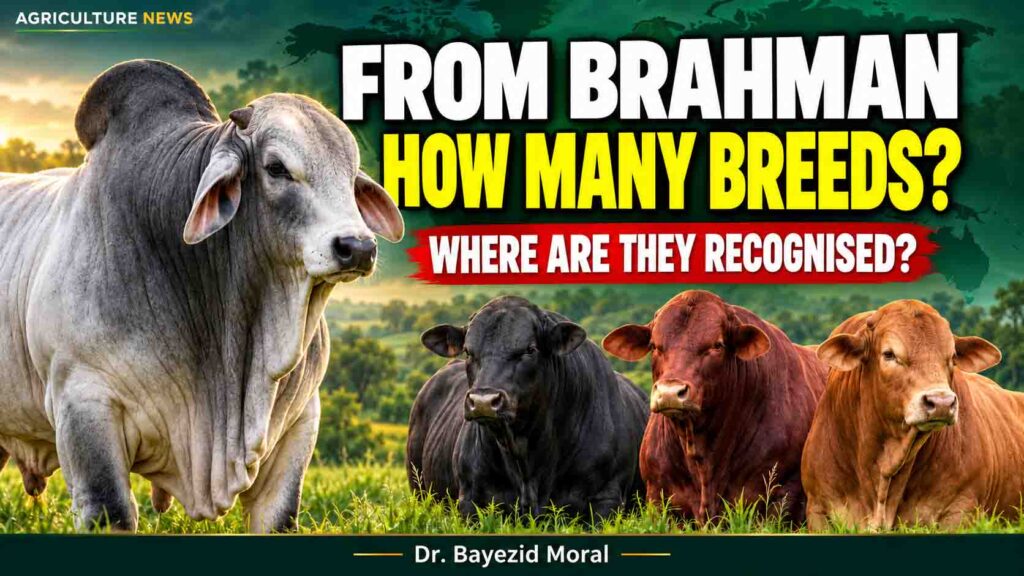
Brahman Crossbreeding Around the World: Which Cattle Breeds Have Gained Recognition—and Which Remain Crossbred Populations?
A Research-Based Report by Agricultural Journalist Dr. Bayezid Moral
Dr. Bayezid Moral | Editor, AgricultureNews24.com
Information reviewed: 28 October 2026. This report draws on published research, breed association records and government sources. It is a documentary review, rather than a complete survey of every national breed registration authority.
Brahman crossbreeding has contributed to the development of several established cattle breeds. However, official government recognition of a breed, registration of individual animals in a breed association’s herdbook, and recording of commercial crossbred cattle are different processes. Understanding these distinctions is essential when identifying which cattle populations have achieved breed status.
From a Crossbred Calf to an Established Breed
Crossing a Brahman animal with another breed does not automatically create a new breed. Establishing a breed generally involves a sustained breeding programme, selection across generations, pedigree recording and compliance with the relevant registration requirements.
Even animals produced from the same parental breeds can have different registration statuses. For example, the Australian Brangus system distinguishes between Commercial, Enrolment, Foundation and Registered categories. First-generation Angus–Brahman offspring can enter the Enrolment category, while Registered status requires additional conditions. www.brangus.com.au
This report therefore distinguishes three categories:
| Category | What it means |
|---|---|
| Official government breed recognition | Documentary or reliable institutional evidence indicates that a government authority formally recognised the breed |
| Breed association or herdbook registration | Animals are registered under defined pedigree and breed requirements; this does not automatically establish government recognition |
| Crossbred, composite or research population | Its development and use are documented, but independent breed recognition requires separate verification |
1. United States: Examples of Government Recognition and Established Registries
The United States provides several well-documented examples of breeds developed through Brahman crossbreeding.
| Breed | Foundational cross and conventional composition | Evidence of recognition or registration |
|---|---|---|
| Santa Gertrudis | 3/8 Brahman × 5/8 Shorthorn | Recognised as a distinct beef breed by the United States Department of Agriculture—USDA—in 1940 |
| Beefmaster | Brahman × Hereford × Shorthorn | Recognised by USDA in 1954, according to the breed association’s history |
| Brangus | 3/8 Brahman × 5/8 Angus | Breed registry established in 1949; registration continues through the International Brangus Breeders Association—IBBA |
| Braford | Brahman × Hereford; a conventional composition is 3/8 Brahman and 5/8 Hereford | International Braford Association established in 1969 to register cattle; the current organisation is United Braford Breeders |
| Simbrah | Purebred category: 5/8 Simmental × 3/8 Brahman | Incorporated into the American Simmental Association registry in 1977 |
| Charbray | Historically Charolais × Brahman; current US rules permit a broader Bos indicus component | A separate Charbray registration division operates within the American-International Charolais Association—AICA |
Both King Ranch and Santa Gertrudis Breeders International document the breed’s USDA recognition in 1940. Beefmaster Breeders United records USDA recognition of Beefmaster in 1954. These provide an institutional basis for reporting government recognition of the two breeds. santagertrudis.com
Brangus registration dates to 1949. Its conventional US pedigree composition is 3/8 Brahman and 5/8 Angus. Braford has a separate registry history: the International Braford Association was established in 1969, and two organisations merged in 1994 to form United Braford Breeders. The founding date of a registry should not be presented as a government recognition date. gobrangus.com
Simbrah entered the American Simmental Association’s registration framework in 1977. Its rules define Purebred Simbrah as 5/8 Simmental and 3/8 Brahman, while also providing for other percentage categories. asapublication.com
Charbray requires a qualification. It would be inaccurate to describe every registered US Charbray as exactly 5/8 Charolais and 3/8 Brahman. Current AICA rules permit Purebred Charbray compositions ranging from 5/8 to 13/16 Charolais, with 3/8 to 3/16 Bos indicus. charolaisusa.com
2. Australia: Local Breed Development and Flexible Registration
Australia offers examples of both locally developed Brahman-derived breeds and country-specific registration systems for established crosses.
| Breed | Breeding foundation | Institutional position in Australia |
|---|---|---|
| Droughtmaster | Primarily Brahman × Shorthorn, with contributions from other British breeds during development | Droughtmaster Stud Breeders’ Society established in 1962; an established animal registration system operates |
| Australian Braford | Brahman × Hereford | Local development began in 1946; Australian Braford Society established in 1962 |
| Australian Brangus | Brahman and Angus | Relevant registration categories allow 25–75% Brahman ancestry |
| Australian Charbray | Charolais × Brahman | A dedicated society, herdbook and registration certificates; permitted proportions generally range from 25:75 to 75:25 |
Droughtmaster is commonly described as approximately half Brahman and half European ancestry. Its development, however, involved more than a single 50:50 Brahman–Shorthorn mating. The breed society’s history describes the use of Brahman, Shorthorn and Shorthorn–Devon cattle, followed by selection over many years. The society was established in 1962. www.droughtmaster.com.au
Australian Braford also has a documented local development history. According to the Australian Braford Society, Brahman genetics were introduced into a Central Queensland Hereford herd in 1946. Consequently, the history of Braford cannot be explained solely through its development in the United States. braford.org.au
Registration requirements for the same named breed can differ between countries. US Brangus conventionally has 37.5% Brahman ancestry, whereas the Australian system permits 25–75% Brahman ancestry in specified categories. Australian Charbray registration also allows flexibility in breed composition. www.brangus.com.au
The Australian Charbray Society’s published pages contain a historical date discrepancy: one refers to formation in 1977, while another describes an organisational transition in 1978. Without examining the original incorporation documents, neither date should be labelled a government breed recognition date. The society’s current herdbook and registration certificate system are nevertheless clearly documented. www.charbray.org
3. South Africa, Namibia, Zimbabwe and Mexico: Recognition Within the Simbrah Family
The World Simmental Fleckvieh Federation—WSFF—documents different national names within the Simbrah breed family.
| Countries | Name used in the WSFF document |
|---|---|
| United States, Australia and Mexico | Simbrah |
| South Africa, Namibia and Zimbabwe | Simbra |
| Brazil | Simbrasil |
In its 1999 decision, WSFF recognised these populations under the Simbrah identity and approved breeding programmes and registration requirements submitted by participating countries.
This represents recognition by an international breed federation. It should not be substituted for a separate government recognition instrument in every country. The same document states that the importing country’s breed association determines the herdbook section or grade into which imported genetics will be registered. wsff.info
The evidence therefore supports the institutional presence of the Simbrah family in these countries. It does not establish that each country independently created an entirely separate breed.
4. Brazil: Official Recognition Exists, but “Zebu” Does Not Always Mean “Brahman”
Brazilian examples require particular care.
Braford: According to the Brazilian Hereford and Braford Association, Braford was recognised as a breed under development in 1993 and received official recognition through Portaria No. 587 of 5 June 2003. However, its early Brazilian development included Hereford crossed with Tabapuã cattle. It would therefore be inaccurate to describe all Brazilian Braford cattle as directly Brahman-derived. www.abhb.com.br
Simbrasil: The Brazilian association’s history describes development based on 5/8 Simmental and 3/8 Zebu. It records authorisation to conduct genealogical registration in 1989 and recognition as a breed on 19 July 2001 through Portaria 353. The association’s 2023 registration regulations also document ministry-authorised registration services. simentalsimbrasil.org.br
These examples demonstrate two important points:
- Authorisation to operate a registry and formal recognition as a breed can occur at different times.
- Where a source identifies ancestry as Zebu, it should not automatically be rewritten as Brahman.
5. Thailand: Named Brahman-Derived Populations, With Registration Documents Requiring Further Verification
Thailand has developed two named cattle populations using Brahman genetics.
| Population | Reported composition | What the available evidence establishes |
|---|---|---|
| Tak | 62.5% Charolais × 37.5% American Brahman | Documented development and use as a named improved population |
| Kabinburi | 50% German Simmental × 50% Brahman | Described in government publications; recent government research-centre sale records also use this name |
Thailand’s Department of Livestock Development—DLD—documents Kabinburi’s 50:50 composition. A government auction notice from 2026 also identifies cattle as Kabinburi. Tak’s composition is documented in published research. nutrition.dld.go.th
However, this review did not establish a specific independent breed registration certificate, registration number or recognition order for either population.
It would therefore be unjustified to state that they “have not received registration.” The defensible conclusion is:
Government development and use are documented; the specific instrument establishing formal breed registration requires further verification.
6. Which Populations Have Not Obtained Breed Registration?
This part of the question requires the greatest caution. Failure to locate a registration document is not proof that registration does not exist. Likewise, recording animals in a database does not necessarily establish recognition as a distinct breed.
| Population or label | Established evidence | Appropriate interpretation |
|---|---|---|
| Brahman Cross—BX—in Indonesia | Importation from Australia and use in commercial breeding are documented | The BX label does not establish recognition as a single new breed developed in Indonesia |
| Various Australian Tropical Composites | Systems exist for recording composite cattle and evaluating their genetics | Inclusion in a register does not mean every composite is a separately recognised breed |
| Local cattle × Brahman in Bangladesh | This review did not establish a specific recognition instrument for a newly developed independent breed | Neither “a newly registered Bangladeshi breed” nor “a rejected breed application” should be claimed without documentation |
| Tak and Kabinburi in Thailand | Named development programmes and use are documented | Formal registration status requires verification of the relevant instrument |
An Indonesian study describes BX cattle as imported from Australia. Meanwhile, Australia’s Belmont Red and Tropical Composite register accepts records from multiple breeds and composite populations. These illustrate the difference between a commercial crossbred identity, performance recording and recognition as a distinct breed. journal.ipb.ac.id
This review found no explicit authority-issued rejection order for a named population’s application for breed recognition. Consequently, it does not present a confirmed list of breeds whose applications were rejected.
7. Registered Composites That Need Careful Classification
Ultrablack and Ultrared: These programmes combine Brangus with Angus and Red Brangus with Red Angus, respectively. IBBA approved the programme in 2005, and the animals are registered composites. Calling them unregistered crosses would be incorrect. Counting them as independently government-recognised breeds would also require separate evidence. pmc.ncbi.nlm.nih.gov
Brahmousin: Developed from Brahman and Limousin, Brahmousin is described in Oklahoma State University’s breed compilation as having a Purebred composition of 5/8 Limousin and 3/8 Brahman. The account also describes the American Brahmousin Council’s recording programme. However, this review did not independently establish the registry’s current operational status or a specific government recognition instrument. It is therefore best presented as an example with a documented historical registration framework. breeds.okstate.edu
8. Breeds That Should Not Automatically Be Listed as Brahman-Derived
Brahman is a Zebu breed, but not every Zebu is Brahman. Nor does every tropically adapted cattle breed contain Brahman ancestry.
| Breed | Foundation described by institutional sources | Why classification as Brahman-derived would be misleading |
|---|---|---|
| Belmont Red | Africander × British breeds | Brahman was not part of its original foundation; later composite records should not be confused with the original breed’s ancestry |
| Senepol | Historically described as N’Dama × Red Poll | Its documented foundation is not a Brahman cross |
| Australian Milking Zebu—AMZ | Primarily Sahiwal × Jersey, with Red Sindhi and other contributions during development | “Zebu” in its name does not establish Brahman ancestry |
| Canchim | Charolais × Zebu; early development used Indubrasil, Guzerá and Nelore | The Zebu component cannot automatically be described as Brahman |
These distinctions are supported by breed association accounts, CSIRO publications and published research. belmontred.com.au
Implications for Bangladesh
The international evidence supports a clear inference: Brahman crossbreeding can contribute to the development of a new breed, but producing crossbred calves alone does not complete that process. The documented examples show the importance of sustained breeding programmes, selection, pedigree recording and registration structures.
An assessment of a potential Brahman-derived breed in Bangladesh would need evidence covering:
- The parental breeds, intended proportions and how those proportions are managed across generations.
- Reliable animal identification, parentage and pedigree records.
- Growth, reproduction, calf survival and feeding costs under local conditions.
- Effects on maternal milk production, calving difficulty and overall farm profitability.
- Defined breed standards, the responsible registry and the specific recognition instrument.
These are proposed research requirements drawn from international experience. They do not constitute a statement about the current legal approval of any particular breeding programme in Bangladesh.
Research Findings
Among the clearest established examples of Brahman-derived breeds are Santa Gertrudis, Beefmaster, Brangus, Braford, Simbrah, Charbray and Droughtmaster. Some have documented histories of government recognition; others have well-established breed association registries and herdbooks.
Thailand’s Tak and Kabinburi are documented named populations, although their specific formal registration instruments require further verification. Commercial labels such as BX and broad categories such as Tropical Composite do not, by themselves, establish recognition as distinct breeds.
The evidence supports the following conclusion:
Brahman crossbreeding has produced recognised and registered cattle breeds in several countries, alongside commercial crosses and developing populations. Government breed recognition, herdbook registration and crossbred identity must be assessed separately.