















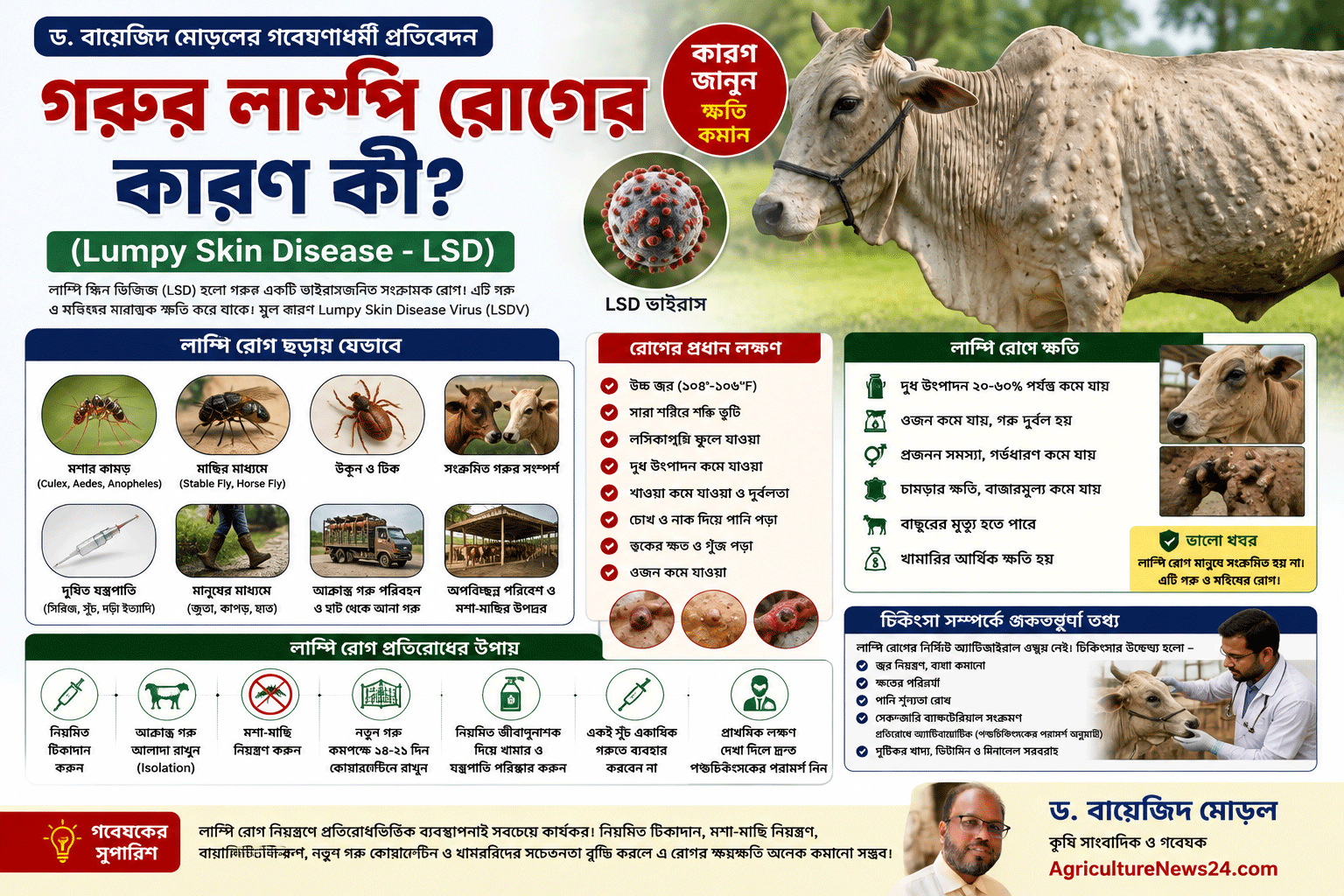
ড. বায়েজিদ মোড়লের গবেষণাধর্মী প্রতিবেদন
গরুর লাম্পি রোগের কারণ কী?
(Lumpy Skin Disease – LSD): কারণ, সংক্রমণ, ঝুঁকি ও প্রতিরোধ সম্পর্কে পূর্ণাঙ্গ গবেষণাধর্মী প্রতিবেদন
বাংলাদেশে সাম্প্রতিক বছরগুলোতে গরুর অন্যতম আলোচিত ও অর্থনৈতিকভাবে ক্ষতিকর রোগ হলো লাম্পি স্কিন ডিজিজ (Lumpy Skin Disease – LSD)। এ রোগে আক্রান্ত গরুর শরীরে অসংখ্য শক্ত গুটি (Lump) দেখা যায়, জ্বর হয়, দুধ উৎপাদন কমে যায়, প্রজনন ক্ষমতা ব্যাহত হয় এবং অনেক ক্ষেত্রে প্রাণী মারাও যেতে পারে। ফলে খামারিদের বড় ধরনের আর্থিক ক্ষতির মুখোমুখি হতে হয়।
লাম্পি রোগ কী?
লাম্পি স্কিন ডিজিজ (LSD) হলো গরুর একটি ভাইরাসজনিত সংক্রামক রোগ। এটি মূলত গরু ও মহিষে দেখা যায়। রোগটির প্রধান বৈশিষ্ট্য হলো—
- সারা শরীরে শক্ত গুটি
- উচ্চ জ্বর
- লসিকাগ্রন্থি ফুলে যাওয়া
- দুধ উৎপাদন কমে যাওয়া
- দুর্বলতা
- ত্বকের ক্ষত
লাম্পি রোগের মূল কারণ
লাম্পি রোগের একমাত্র কারণ হলো Lumpy Skin Disease Virus (LSDV)। এটি Capripoxvirus গণের একটি ভাইরাস।
একই পরিবারের ভাইরাস—
- Sheep Pox Virus
- Goat Pox Virus
- Lumpy Skin Disease Virus
এ ভাইরাস পরিবেশে বেশ কিছুদিন বেঁচে থাকতে পারে এবং সংক্রমিত প্রাণীর ত্বক, ক্ষত, লালা, রক্ত ও শরীরের অন্যান্য নিঃসরণে বিদ্যমান থাকে।
কীভাবে রোগ ছড়ায়?
১. মশা
সবচেয়ে বড় বাহক।
বিশেষ করে—
- Culex
- Aedes
- Anopheles
বর্ষাকালে ঝুঁকি অনেক বেশি।
২. মাছি
- Stable Fly
- Horse Fly
এরা এক গরু থেকে আরেক গরুতে ভাইরাস বহন করে।
৩. উকুন ও টিক
Tick ও Lice ভাইরাস বহন করতে পারে।
৪. সংক্রমিত গরুর সংস্পর্শ
একই খামারে আক্রান্ত গরু থাকলে অন্য গরু আক্রান্ত হতে পারে।
৫. দূষিত যন্ত্রপাতি
যেমন—
- সিরিঞ্জ
- সূঁচ
- দড়ি
- ব্রাশ
- দুধ দোয়ানোর সরঞ্জাম
৬. মানুষের মাধ্যমে
খামারের কর্মচারীর জুতা, কাপড়, হাত বা ব্যবহৃত সরঞ্জামের মাধ্যমেও ভাইরাস এক স্থান থেকে অন্য স্থানে যেতে পারে।
৭. পশু পরিবহন
হাট বা অন্য জেলা থেকে আনা আক্রান্ত গরু পুরো খামারে রোগ ছড়িয়ে দিতে পারে।
কোন মৌসুমে বেশি হয়?
সবচেয়ে বেশি দেখা যায়—
- বর্ষাকাল
- বর্ষা-পরবর্তী সময়
কারণ—
- মশা বেশি থাকে
- মাছি বেশি থাকে
- আর্দ্রতা বেশি
- পানি জমে থাকে
কোন গরু বেশি আক্রান্ত হয়?
- বিদেশি জাত
- হলস্টেইন ফ্রিজিয়ান
- জার্সি
- শাহীওয়াল ক্রস
- উন্নত সংকর জাত
দেশি গরুও আক্রান্ত হয়, তবে অনেক সময় রোগ তুলনামূলকভাবে কম তীব্র হতে পারে।
ভাইরাস শরীরে কীভাবে কাজ করে?
১. মশা বা মাছির কামড়ের মাধ্যমে ভাইরাস শরীরে প্রবেশ করে।
২. রক্তের মাধ্যমে সারা শরীরে ছড়িয়ে পড়ে।
৩. ত্বকের রক্তনালিতে প্রদাহ সৃষ্টি করে।
৪. চামড়ার নিচে কোষ মারা যেতে শুরু করে।
৫. শক্ত গুটি তৈরি হয়।
রোগের ইনকিউবেশন পিরিয়ড
সাধারণত— ৪–১৪ দিন
কখনও— ২৮ দিন পর্যন্ত হতে পারে।
ঝুঁকির কারণ
✔ খামারে অতিরিক্ত গরু রাখা
✔ অপরিষ্কার পরিবেশ
✔ মশা-মাছির উপদ্রব
✔ নতুন গরু কোয়ারেন্টিন ছাড়া আনা
✔ একই সূঁচ বারবার ব্যবহার
✔ রোগাক্রান্ত গরু আলাদা না রাখা
লাম্পি রোগে কী কী ক্ষতি হয়?
দুধ উৎপাদন কমে যায়
২০–৬০% পর্যন্ত কমে যেতে পারে।
ওজন কমে যায়
গরু খাওয়া কমিয়ে দেয়।
প্রজনন সমস্যা
- হিট বিলম্বিত হয়
- গর্ভধারণ কমে
- ষাঁড়ের বীর্যের মান কমতে পারে
চামড়ার ক্ষতি
চামড়ার গুটি শুকিয়ে গর্ত তৈরি হয়। ফলে চামড়ার বাজারমূল্য কমে যায়।
বাছুরের মৃত্যু
দুর্বল বাছুরে মৃত্যুহার তুলনামূলক বেশি হতে পারে।
লাম্পি রোগ কি মানুষে হয়?
না। বর্তমান বৈজ্ঞানিক তথ্য অনুযায়ী লাম্পি স্কিন ডিজিজ মানুষের মধ্যে সংক্রমিত হয় না। এটি গরু ও মহিষের রোগ।
লাম্পি রোগ প্রতিরোধের উপায়
১. টিকা
সবচেয়ে কার্যকর প্রতিরোধ। ঝুঁকিপূর্ণ এলাকায় নিয়মিত টিকাদান জরুরি।
২. আক্রান্ত গরু আলাদা রাখা
Isolation অত্যন্ত গুরুত্বপূর্ণ।
৩. মশা-মাছি নিয়ন্ত্রণ
- পরিষ্কার-পরিচ্ছন্নতা
- পানি জমতে না দেওয়া
- অনুমোদিত কীটনাশক ব্যবহার
৪. নতুন গরু কোয়ারেন্টিন
কমপক্ষে ১৪–২১ দিন আলাদা পর্যবেক্ষণে রাখা উচিত।
৫. জীবাণুনাশক ব্যবহার
নিয়মিত পরিষ্কার করুন—
- খামার
- যন্ত্রপাতি
- যানবাহন
- জুতা
৬. একই সূঁচ একাধিক গরুতে ব্যবহার না করা
একবার ব্যবহারযোগ্য (Disposable) সূঁচ ব্যবহার করা উত্তম।
৭. দ্রুত পশুচিকিৎসকের পরামর্শ নেওয়া
প্রাথমিক লক্ষণ দেখা দিলে দ্রুত ব্যবস্থা নিলে জটিলতা কমানো সম্ভব।
চিকিৎসা সম্পর্কে গুরুত্বপূর্ণ তথ্য
লাম্পি রোগের ভাইরাস ধ্বংস করার নির্দিষ্ট অ্যান্টিভাইরাল ওষুধ বর্তমানে প্রচলিত পশুচিকিৎসায় নেই। চিকিৎসার মূল লক্ষ্য হলো—
- জ্বর নিয়ন্ত্রণ
- ব্যথা কমানো
- ক্ষতের পরিচর্যা
- পানিশূন্যতা রোধ
- সেকেন্ডারি ব্যাকটেরিয়াল সংক্রমণ প্রতিরোধে পশুচিকিৎসকের পরামর্শ অনুযায়ী অ্যান্টিবায়োটিক ব্যবহার
- পুষ্টিকর খাদ্য, ভিটামিন ও মিনারেল সরবরাহ
নিজ উদ্যোগে অ্যান্টিবায়োটিক বা স্টেরয়েড ব্যবহার করা উচিত নয়। সঠিক চিকিৎসা পরিকল্পনা অবশ্যই নিবন্ধিত পশুচিকিৎসকের পরামর্শ অনুযায়ী হওয়া উচিত।
গবেষকের সুপারিশ
ড. বায়েজিদ মোড়লের মতে, বাংলাদেশে লাম্পি রোগ নিয়ন্ত্রণে শুধু চিকিৎসা নয়, প্রতিরোধভিত্তিক ব্যবস্থাপনাই সবচেয়ে কার্যকর কৌশল। এজন্য—
- জাতীয় পর্যায়ে নিয়মিত টিকাদান কর্মসূচি জোরদার করা,
- খামারে কঠোর বায়োসিকিউরিটি নিশ্চিত করা,
- মশা-মাছি ও টিক নিয়ন্ত্রণে সমন্বিত ব্যবস্থা গ্রহণ,
- নতুন গরু কোয়ারেন্টিন বাধ্যতামূলক করা,
- এবং খামারিদের নিয়মিত প্রশিক্ষণ ও সচেতনতা বৃদ্ধি করা জরুরি।
সমন্বিত এই পদক্ষেপগুলো বাস্তবায়ন করা গেলে লাম্পি রোগজনিত ক্ষয়ক্ষতি উল্লেখযোগ্যভাবে কমানো এবং দেশের গবাদিপশু খাতকে আরও নিরাপদ ও উৎপাদনশীল করা সম্ভব।
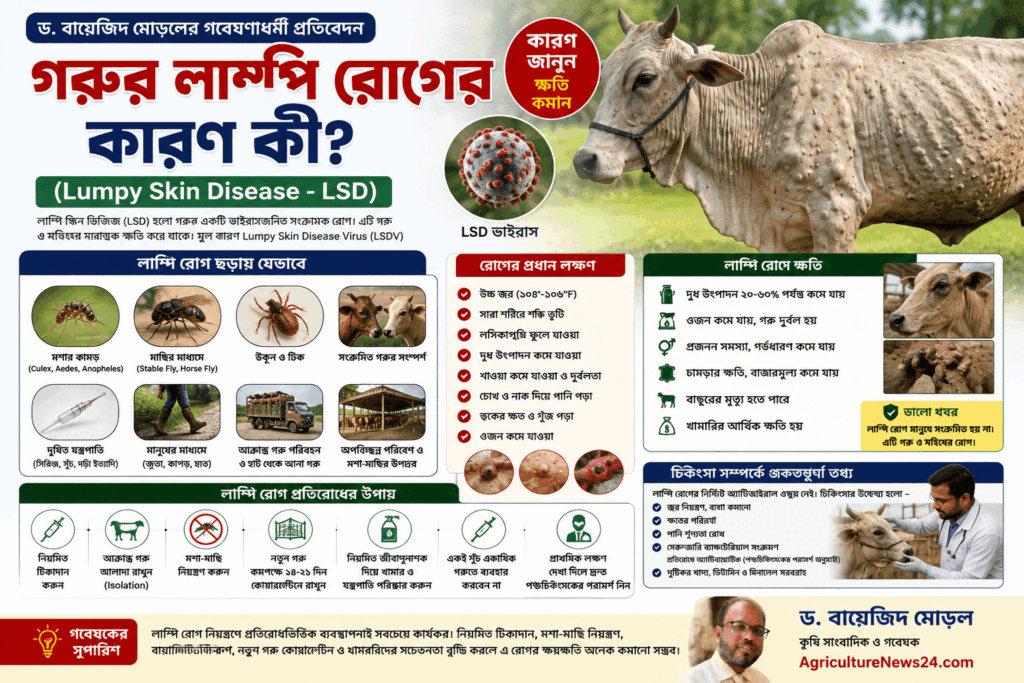
Dr. Bayezid Moral’s Research Report
What Causes Lumpy Skin Disease (LSD) in Cattle?
A Comprehensive Research Report on the Causes, Transmission, Risk Factors, and Prevention of Lumpy Skin Disease (LSD)
In recent years, Lumpy Skin Disease (LSD) has emerged as one of the most significant and economically devastating diseases affecting cattle in Bangladesh. Infected animals develop numerous hard skin nodules (lumps), high fever, reduced milk production, impaired reproductive performance, and, in severe cases, death. Consequently, the disease causes substantial financial losses for dairy and beef farmers.
What is Lumpy Skin Disease?
Lumpy Skin Disease (LSD) is a highly contagious viral disease that primarily affects cattle and buffaloes. The major clinical signs include:
- Multiple hard skin nodules over the body
- High fever
- Enlarged lymph nodes
- Reduced milk production
- Weakness and depression
- Skin lesions and wounds
What Causes Lumpy Skin Disease?
The sole cause of Lumpy Skin Disease is the Lumpy Skin Disease Virus (LSDV).
LSDV belongs to the Capripoxvirus genus.
Other viruses within the same genus include:
- Sheep Pox Virus
- Goat Pox Virus
- Lumpy Skin Disease Virus
The virus can survive in the environment for extended periods and is present in the skin lesions, saliva, blood, and other body secretions of infected animals.
How Does the Disease Spread?
1. Mosquitoes
Mosquitoes are the primary vectors of LSD.
Important species include:
- Culex
- Aedes
- Anopheles
The risk of transmission increases significantly during the rainy season.
2. Biting Flies
Examples include:
- Stable Fly
- Horse Fly
These insects can mechanically transmit the virus from one animal to another.
3. Ticks and Lice
Ticks and lice may also carry and spread the virus.
4. Direct Contact with Infected Animals
Healthy cattle may become infected when housed with infected animals.
5. Contaminated Equipment
Transmission can occur through contaminated:
- Syringes
- Needles
- Ropes
- Brushes
- Milking equipment
6. Human Activity
Farm workers may unintentionally spread the virus through contaminated hands, clothing, footwear, or equipment.
7. Animal Transportation
Introducing infected cattle from livestock markets or other districts can rapidly spread the disease throughout a herd.
Which Season Has the Highest Risk?
LSD is most common during:
- The rainy season
- The post-monsoon period
This is mainly because:
- Mosquito populations increase
- Biting flies become more abundant
- Humidity remains high
- Waterlogging creates ideal breeding conditions for insect vectors
Which Cattle Are More Susceptible?
The disease is commonly more severe in:
- Exotic breeds
- Holstein Friesian
- Jersey
- Sahiwal crosses
- High-producing crossbred cattle
Indigenous cattle can also be infected, although clinical signs are often less severe.
How Does the Virus Affect the Body?
- The virus enters through mosquito or fly bites.
- It spreads throughout the body via the bloodstream.
- It causes inflammation of blood vessels in the skin.
- Skin cells begin to die (necrosis).
- Firm skin nodules develop over various parts of the body.
Incubation Period
The incubation period is generally: 4–14 days
However, it may extend up to: 28 days
Major Risk Factors
✔ Overcrowded cattle farms
✔ Poor hygiene and sanitation
✔ Heavy mosquito and fly infestation
✔ Failure to quarantine newly purchased cattle
✔ Reusing the same needle for multiple animals
✔ Failure to isolate infected cattle
Economic Impact of Lumpy Skin Disease
Reduced Milk Production
Milk yield may decrease by 20–60%.
Weight Loss
Affected animals often lose appetite and body weight.
Reproductive Problems
- Delayed estrus
- Reduced conception rates
- Poor semen quality in breeding bulls
Damage to the Hide
The skin nodules eventually heal with scars, reducing the commercial value of the hide.
Calf Mortality
Weak or young calves are at greater risk of death.
Can Humans Become Infected?
No. According to current scientific evidence, Lumpy Skin Disease is not transmissible to humans. It is a disease affecting cattle and buffaloes only.
How Can Lumpy Skin Disease Be Prevented?
1. Vaccination
Vaccination is the most effective preventive measure.
Routine vaccination is strongly recommended in high-risk areas.
2. Isolation of Infected Animals
Immediate isolation is essential to reduce disease transmission.
3. Mosquito and Fly Control
- Maintain farm hygiene
- Eliminate stagnant water
- Use approved insecticides where appropriate
4. Quarantine New Animals
Newly purchased cattle should be quarantined for at least 14–21 days before joining the herd.
5. Regular Disinfection
Frequently disinfect:
- Animal housing
- Equipment
- Vehicles
- Footwear
6. Avoid Reusing Needles
Always use disposable needles whenever possible.
7. Seek Veterinary Advice Promptly
Early diagnosis and veterinary intervention can significantly reduce complications and economic losses.
Important Information About Treatment
Currently, there is no specific antiviral drug available in routine veterinary practice that can eliminate the Lumpy Skin Disease virus.
Treatment focuses on supportive care, including:
- Controlling fever
- Relieving pain
- Proper wound management
- Preventing dehydration
- Using antibiotics, under veterinary supervision, to control secondary bacterial infections
- Providing adequate nutrition along with vitamin and mineral supplementation
Farmers should never administer antibiotics or corticosteroids indiscriminately. Treatment should always be carried out under the guidance of a qualified veterinarian.
Researcher’s Recommendations
According to Dr. Bayezid Moral, effective control of Lumpy Skin Disease in Bangladesh depends primarily on preventive herd health management rather than treatment alone.
He recommends:
- Strengthening nationwide vaccination programs;
- Implementing strict farm biosecurity measures;
- Adopting integrated mosquito, fly, and tick control strategies;
- Making quarantine mandatory for newly introduced cattle; and
- Providing continuous farmer education and awareness programs.
The implementation of these integrated measures can substantially reduce the economic impact of Lumpy Skin Disease and contribute to a healthier, more productive, and sustainable livestock sector in Bangladesh.