















কুমিল্লায় বাড়ছে ভ্যাকসিন উৎপাদন, তিন বছরে লক্ষ্য এক কোটির বেশি ডোজ।।
দেশে প্রাণিসম্পদের ভ্যাকসিন আমদানিনির্ভরতা কমিয়ে উৎপাদনে স্বনির্ভরতা অর্জনের উদ্যোগ নিয়েছে সরকার। এ লক্ষ্যে কুমিল্লার বায়োলজিক্স অ্যান্ড অ্যাপ্লায়েড রিসার্চ সেন্টার আধুনিকায়ন করে আগামী তিন বছরের মধ্যে বছরে এক কোটির বেশি ডোজ ভ্যাকসিন উৎপাদনের সক্ষমতা গড়ে তোলার পরিকল্পনা নেওয়া হয়েছে।
কুমিল্লা, ৪ সেপ্টেম্বর: মৎস্য ও প্রাণিসম্পদ এবং কৃষিমন্ত্রী মোহাম্মদ আমিন উর রশিদ বলেছেন, দেশের গরু, মহিষ, ছাগল, ভেড়া ও হাঁস-মুরগির জন্য প্রয়োজনীয় ভ্যাকসিনের বড় একটি অংশ এখনো বিদেশ থেকে আমদানি করতে হয়। এই নির্ভরতা কমিয়ে দেশীয় উৎপাদন বাড়াতে সরকার পরিকল্পিতভাবে কাজ করছে।
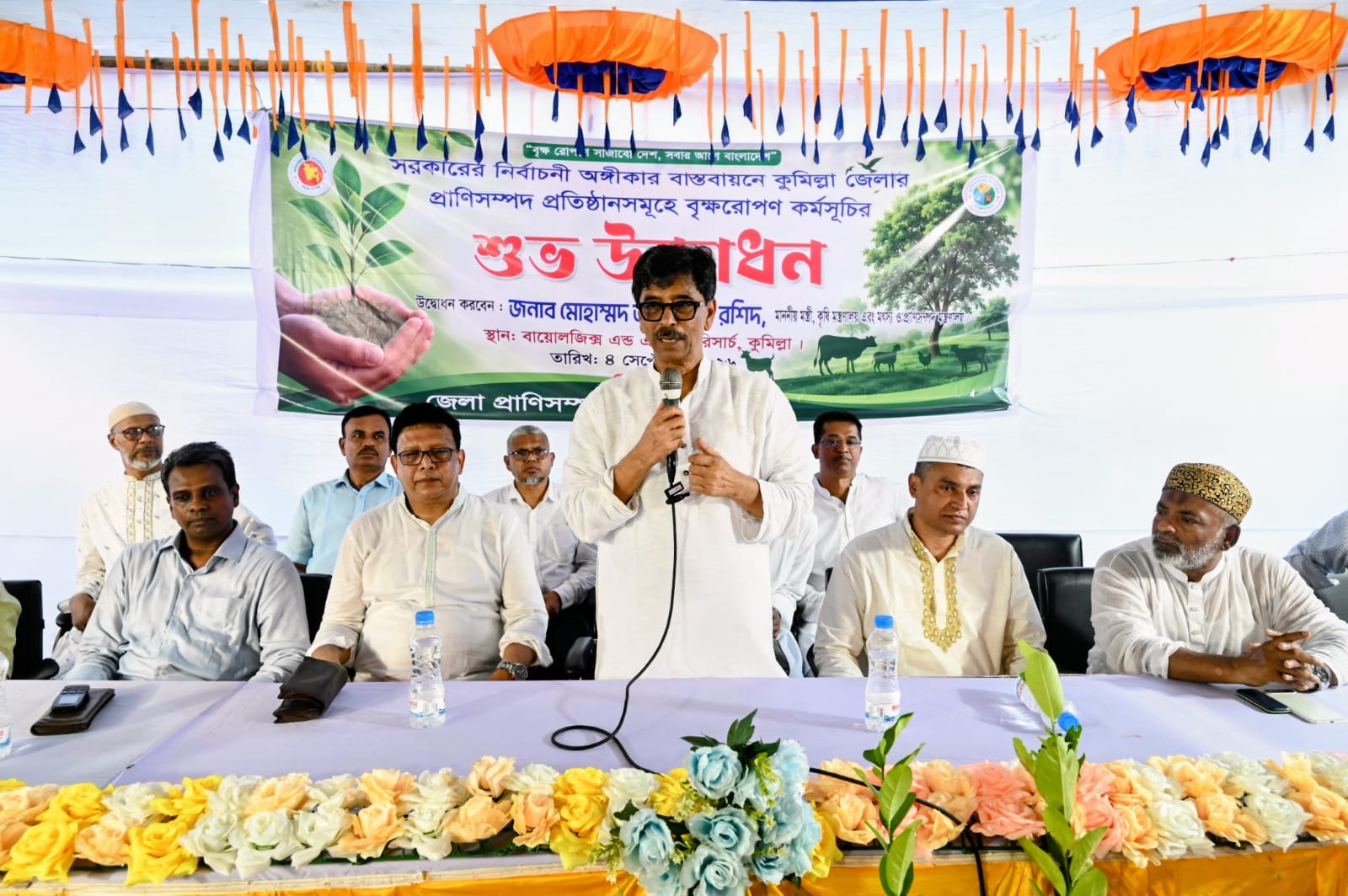
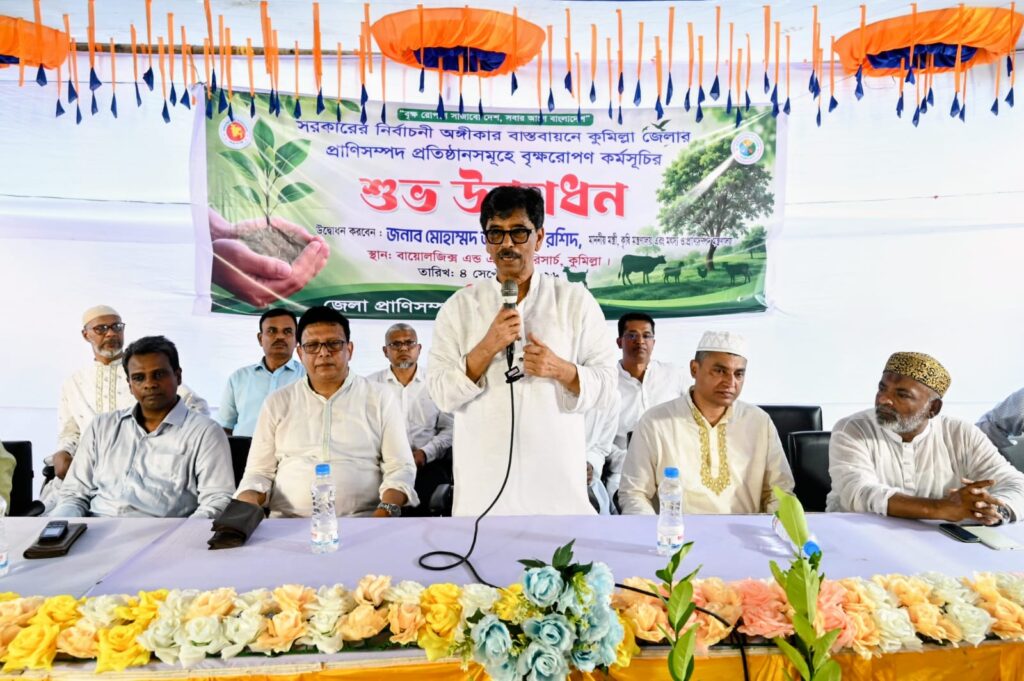
শুক্রবার কুমিল্লার বায়োলজিক্স অ্যান্ড অ্যাপ্লায়েড রিসার্চ সেন্টারে আয়োজিত বৃক্ষরোপণ কর্মসূচির উদ্বোধনী অনুষ্ঠানে প্রধান অতিথির বক্তব্যে তিনি এসব কথা বলেন। সরকারের নির্বাচনী অঙ্গীকার বাস্তবায়নের অংশ হিসেবে কুমিল্লা জেলার প্রাণিসম্পদ প্রতিষ্ঠানগুলোতে এ কর্মসূচি গ্রহণ করা হয়েছে।
মন্ত্রী বলেন, কুমিল্লার বায়োলজিক্স অ্যান্ড অ্যাপ্লায়েড রিসার্চ সেন্টার আধুনিকায়নের মাধ্যমে দেশের প্রাণিসম্পদ খাতের ভ্যাকসিন চাহিদার বড় অংশ এখান থেকে পূরণ করার পরিকল্পনা রয়েছে। ইতোমধ্যে গবাদিপশুর লাম্পি স্কিন ডিজিজ বা এলএসডির ভ্যাকসিন উৎপাদন বাড়ানোর উদ্যোগ নেওয়া হয়েছে।
তিনি জানান, আগে বছরে প্রায় পাঁচ লাখ ডোজ ভ্যাকসিন উৎপাদিত হতো। চলতি বছর তা বাড়িয়ে ২০ থেকে ৩০ লাখ ডোজে উন্নীত করার লক্ষ্য নির্ধারণ করা হয়েছে। প্রয়োজনীয় অবকাঠামো, প্রযুক্তি ও জনবল নিশ্চিত করে আগামী তিন বছরের মধ্যে এই কেন্দ্রের উৎপাদন সক্ষমতা এক কোটি ডোজের বেশি করার পরিকল্পনা রয়েছে।
নিয়মিত টিকাদানের ওপর গুরুত্ব
গবাদিপশুকে সংক্রামক রোগ থেকে রক্ষায় নিয়মিত টিকাদানের গুরুত্ব তুলে ধরে কৃষিমন্ত্রী বলেন, খুরা রোগ ও বসন্তজাতীয় রোগ দেশের প্রাণিসম্পদের জন্য অত্যন্ত ক্ষতিকর। এসব রোগে আক্রান্ত হলে পশুর উৎপাদনক্ষমতা কমে যায় এবং অনেক ক্ষেত্রে খামারিকে বড় ধরনের আর্থিক ক্ষতির মুখে পড়তে হয়।
তিনি বলেন, রোগ প্রতিরোধে খামারিদের সময়মতো পশুকে টিকা দিতে হবে। সরকার কম খরচে ভ্যাকসিন সরবরাহ করছে। ভবিষ্যতে দেশের প্রত্যন্ত অঞ্চলের খামারিদের কাছে প্রয়োজনীয় ভ্যাকসিন আরও সহজে পৌঁছে দেওয়ার বিষয়টিও বিবেচনা করা হচ্ছে।
বিলুপ্তপ্রায় দেশীয় বৃক্ষ সংরক্ষণের উদ্যোগ
বৃক্ষরোপণ কর্মসূচির প্রসঙ্গে মন্ত্রী বলেন, দেশীয় ফলজ, বনজ ও পরিবেশবান্ধব বৃক্ষ সংরক্ষণে সরকার বিশেষ গুরুত্ব দিচ্ছে। জাম, তেঁতুল ও চাপালিশসহ বিলুপ্তপ্রায় দেশীয় প্রজাতির গাছ ব্যাপকভাবে রোপণের উদ্যোগ নেওয়া হয়েছে।
তিনি বলেন, দেশীয় বৃক্ষ শুধু পরিবেশ ও জীববৈচিত্র্য রক্ষায় ভূমিকা রাখে না, এগুলো বাংলাদেশের ইতিহাস, সংস্কৃতি ও গ্রামীণ ঐতিহ্যেরও অংশ। আগামী প্রজন্ম যেন দেশের ঐতিহ্যবাহী বৃক্ষসম্পদের সঙ্গে পরিচিত হতে পারে, সে জন্য এখন থেকেই কার্যকর উদ্যোগ নিতে হবে।
কোল্ড স্টোরেজ স্থাপনের পরিকল্পনা
কৃষিপণ্যের ন্যায্যমূল্য নিশ্চিত করতে সংরক্ষণ ও বিপণনব্যবস্থা উন্নত করার ওপর গুরুত্বারোপ করেন কৃষিমন্ত্রী। তিনি বলেন, প্রয়োজনীয় সংরক্ষণব্যবস্থা না থাকায় অনেক সময় কৃষকের উৎপাদিত পণ্য নষ্ট হয় কিংবা কম দামে বিক্রি করতে হয়। ফলে কৃষক তাঁর পরিশ্রম ও বিনিয়োগের ন্যায্য মূল্য থেকে বঞ্চিত হন।
এ সমস্যা সমাধানে দেশের বিভিন্ন এলাকায় ক্ষুদ্র ও মাঝারি আকারের কোল্ড স্টোরেজ স্থাপনের পরিকল্পনা নেওয়া হয়েছে বলে জানান তিনি। এসব সংরক্ষণাগার স্থাপিত হলে কৃষক প্রয়োজন অনুযায়ী পণ্য সংরক্ষণ করে সুবিধাজনক সময়ে বাজারজাত করতে পারবেন।
মন্ত্রী বলেন, বাংলাদেশের অর্থনীতিকে আরও শক্তিশালী করতে হলে কৃষিপণ্যভিত্তিক রপ্তানিমুখী শিল্প গড়ে তুলতে হবে। কৃষিপণ্যের সংরক্ষণ, প্রক্রিয়াজাতকরণ ও রপ্তানি বাড়ানো গেলে কৃষকের আয় বাড়বে, নতুন কর্মসংস্থান সৃষ্টি হবে এবং জাতীয় অর্থনীতি আরও সমৃদ্ধ হবে।
নতুন হ্যাচারি উদ্বোধন
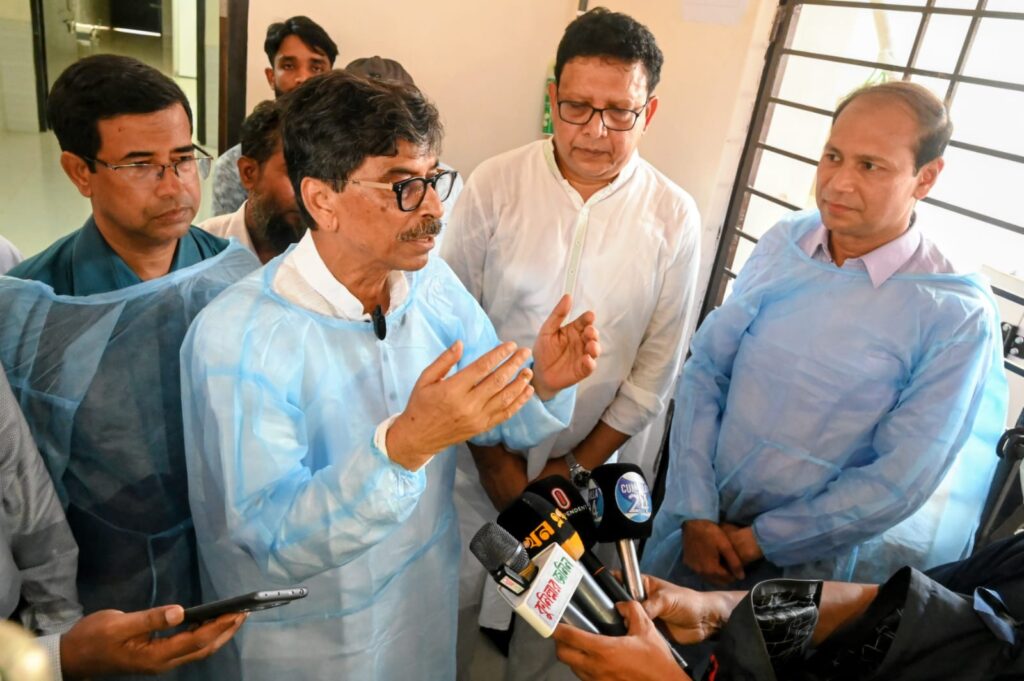
এর আগে মন্ত্রী কুমিল্লায় প্রাণিসম্পদ অধিদপ্তরের আওতাধীন সরকারি মুরগি প্রজনন ও উন্নয়ন খামারে নবনির্মিত হ্যাচারি উদ্বোধন করেন। হ্যাচারি পরিদর্শনের সময় তিনি ইনকিউবেটরের সেটার ও হ্যাচারে ডিম ফুটিয়ে বাচ্চা উৎপাদনের বিভিন্ন ধাপ সম্পর্কে অবগত হন।
বৃক্ষরোপণ অনুষ্ঠানে উপস্থিত ছিলেন কুমিল্লা উন্নয়ন কর্তৃপক্ষের চেয়ারম্যান ও কুমিল্লা মহানগর বিএনপির সভাপতি উদবাতুল বারী, প্রাণিসম্পদ অধিদপ্তরের মহাপরিচালক মো. শাহজামান খান, চট্টগ্রাম বিভাগীয় প্রাণিসম্পদ দপ্তরের পরিচালক ডা. মো. আতিয়ার রহমান এবং জেলা প্রাণিসম্পদ কর্মকর্তা মোহাম্মদ সামছুল আলমসহ সংশ্লিষ্ট বিভাগের ঊর্ধ্বতন কর্মকর্তারা।
হ্যাচারি উদ্বোধন ও পরিদর্শনের সময় আরও উপস্থিত ছিলেন কুমিল্লা মহানগর বিএনপির সাধারণ সম্পাদক ও কুমিল্লা সিটি করপোরেশনের প্রশাসক ইউসুফ মোল্লা টিপু, কুমিল্লা দক্ষিণ জেলা বিএনপির সাধারণ সম্পাদক ও কুমিল্লা ওয়াসার চেয়ারম্যান আশিকুর রহমান মাহমুদ ওয়াসিম, সরকারি মুরগি প্রজনন ও উন্নয়ন খামারের উপপরিচালক চন্দন কুমার পোদ্দার এবং কুমিল্লা মহানগর বিএনপির সাংগঠনিক সম্পাদক রাজিউর রহমান রাজীব।
দেশে ভ্যাকসিন উৎপাদন বাড়ানোর এ পরিকল্পনা বাস্তবায়িত হলে প্রাণিসম্পদের রোগ প্রতিরোধব্যবস্থা শক্তিশালী হওয়ার পাশাপাশি আমদানি ব্যয় কমবে। একই সঙ্গে খামারিদের কাছে সময়মতো ও সাশ্রয়ী মূল্যে ভ্যাকসিন পৌঁছানো সহজ হবে বলে আশা করছেন সংশ্লিষ্টরা।
Vaccine Production to Increase in Cumilla, Target Exceeds 10 Million Doses Within Three Years
The government has undertaken an initiative to reduce the country’s dependence on imported livestock vaccines and achieve self-sufficiency in domestic production. As part of the initiative, the Biologics and Applied Research Centre in Cumilla will be modernised, with plans to develop the capacity to produce more than 10 million doses of vaccines annually within the next three years.
Cumilla, 4 September: Fisheries and Livestock and Agriculture Minister Mohammad Amin Ur Rashid has said that a large share of the vaccines required for cattle, buffaloes, goats, sheep and poultry is still imported. The government is working systematically to reduce this dependence and expand domestic vaccine production.
He made the remarks on Friday while addressing a tree-planting programme at the Biologics and Applied Research Centre in Cumilla as the chief guest. The programme was organised at livestock institutions across Cumilla district as part of implementing the government’s electoral commitments.
The minister said the government plans to modernise the Biologics and Applied Research Centre so that a substantial share of the country’s livestock vaccine demand can be met from the facility. An initiative has already been undertaken to increase the production of vaccines against Lumpy Skin Disease, commonly known as LSD, in cattle.
He said the centre previously produced around 500,000 doses of vaccines annually. The production target for the current year has been set at between two million and three million doses. The government plans to equip the centre with the necessary infrastructure, technology and workforce to raise its annual production capacity to more than 10 million doses within the next three years.
Minister Stresses Regular Vaccination
Highlighting the importance of regular vaccination in protecting livestock from infectious diseases, the minister said Foot-and-Mouth Disease and pox-related diseases are among the most harmful diseases affecting livestock in Bangladesh. Such diseases reduce animals’ productivity and, in many cases, expose farmers to substantial financial losses.
He urged farmers to vaccinate their animals on schedule to prevent disease outbreaks. The government is supplying vaccines at affordable prices and is also considering measures to make vaccines more readily available to farmers in remote areas in the future.
Initiative to Preserve Endangered Indigenous Trees
Referring to the tree-planting programme, the minister said the government is giving special attention to conserving indigenous fruit-bearing, forest and environmentally friendly trees. Initiatives have been undertaken to plant endangered native species—including jamun, tamarind and chapalish trees—on a large scale.
He said indigenous trees not only contribute to environmental protection and biodiversity conservation but are also part of Bangladesh’s history, culture and rural heritage. Effective measures must be taken now so that future generations can become familiar with the country’s traditional tree resources.
Plans to Establish Cold Storage Facilities
The agriculture minister emphasised improving storage and marketing systems to ensure fair prices for agricultural produce. He said farmers are often forced to sell their produce at low prices, while some products go to waste because of inadequate storage facilities. Consequently, farmers are deprived of a fair return on their labour and investment.
To address the problem, the government plans to establish small- and medium-sized cold storage facilities in different parts of the country. Once established, these facilities will enable farmers to preserve their produce and market it at a suitable time.
The minister said Bangladesh must develop export-oriented agro-processing industries to strengthen its economy further. Expanding the preservation, processing and export of agricultural products would increase farmers’ incomes, create employment opportunities and contribute to national economic growth.
Newly Constructed Hatchery Inaugurated
Earlier, the minister inaugurated a newly constructed hatchery at the Government Poultry Breeding and Development Farm in Cumilla, which operates under the Department of Livestock Services. During his visit, he was briefed on the different stages of chick production, including the incubation of eggs in setters and hatchers.
Among those present at the tree-planting programme were Udbatul Bari, Chairman of the Cumilla Development Authority and President of the Cumilla Metropolitan BNP; Md Shahjahan Khan, Director General of the Department of Livestock Services; Dr Md Atiar Rahman, Director of the Divisional Livestock Office in Chattogram; and Mohammad Shamsul Alam, District Livestock Officer, along with other senior officials of the livestock department.
Also present during the inauguration and inspection of the hatchery were Yusuf Molla Tipu, General Secretary of the Cumilla Metropolitan BNP and Administrator of the Cumilla City Corporation; Ashiqur Rahman Mahmud Wasim, General Secretary of the Cumilla South District BNP and Chairman of Cumilla WASA; Chandan Kumar Poddar, Deputy Director of the Government Poultry Breeding and Development Farm in Cumilla; and Raziur Rahman Rajib, Organising Secretary of the Cumilla Metropolitan BNP.
Officials concerned expect that implementing the plan to increase domestic vaccine production will strengthen livestock disease prevention and reduce import costs. It will also make it easier to deliver affordable vaccines to farmers when they need them.