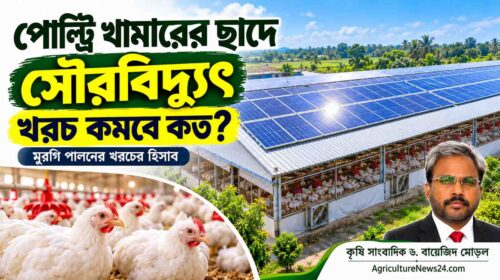
















পোল্ট্রি খামারের ছাদে সৌরবিদ্যুৎ: খামারির ব্যয় কমানোর সঙ্গে দেশের জ্বালানি নিরাপত্তায় নতুন সম্ভাবনা
কৃষি সাংবাদিক ড. বায়েজিদ মোড়লের গবেষণাধর্মী প্রতিবেদন
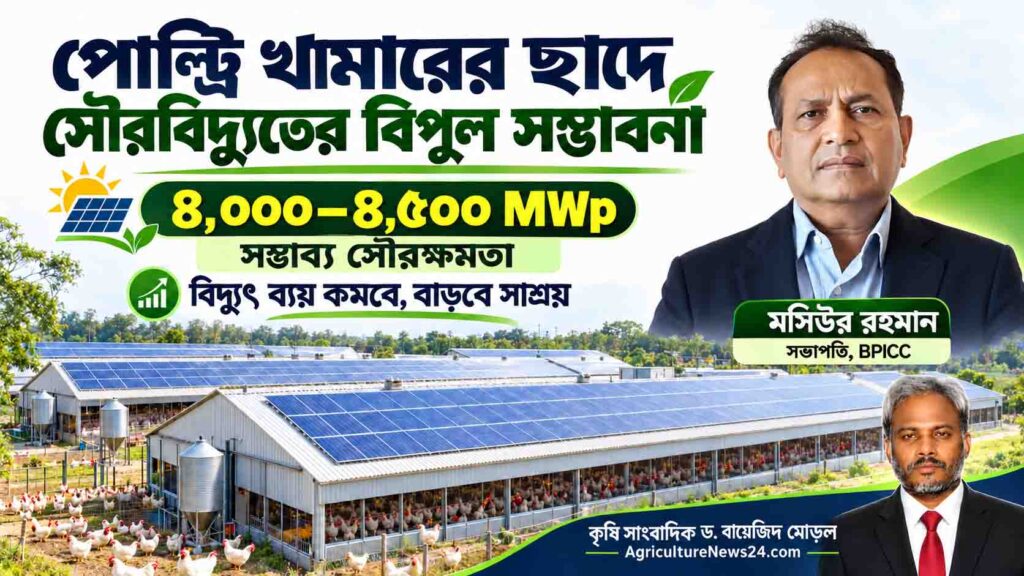
আমার ২৬ বছরের সাংবাদিকতা জীবনে সরেজমিনে বিভিন্ন খামার ঘুরে এবং খামারিদের সঙ্গে কথা বলে দেখেছি ও জেনেছি—পোল্ট্রি খামারের সাফল্য শুধু ভালো বাচ্চা, খাবার ও বাজারদরের ওপর নির্ভর করে না। বিদ্যুৎ, পানি, তাপমাত্রা ও বায়ু চলাচলের ব্যবস্থাও খামারের উৎপাদন এবং লাভের সঙ্গে গভীরভাবে জড়িত।
একটি খামারে মুরগির খাবার ও পরিচর্যা ঠিক থাকলেও প্রয়োজনের সময় বিদ্যুৎ না থাকলে ব্যবস্থাপনা ব্যাহত হতে পারে। আবার বিদ্যুতের বিকল্প ব্যবস্থা চালাতে বাড়তি খরচ হয়। তাই খামারির লাভের হিসাব করতে গেলে জ্বালানি ও বিদ্যুতের খরচকে আলাদা করে দেখার সুযোগ নেই।
এই বাস্তবতায় পোল্ট্রি খামারের ছাদে সৌরবিদ্যুৎ উৎপাদনের বিষয়টি গুরুত্ব দিয়ে ভাবার সময় এসেছে। যে ছাদের নিচে মুরগি পালন হচ্ছে, সেই ছাদই খামারের বিদ্যুৎ উৎপাদনের কাজে লাগতে পারে। এতে নতুন জমির প্রয়োজন কমবে, খামারের বিদ্যুৎ ব্যয় কমানোর সুযোগ তৈরি হবে এবং দেশের নবায়নযোগ্য জ্বালানি ব্যবস্থায় পোল্ট্রি খাতের অবদান বাড়তে পারে।
সেমিনারে উঠে এল বড় সম্ভাবনার কথা
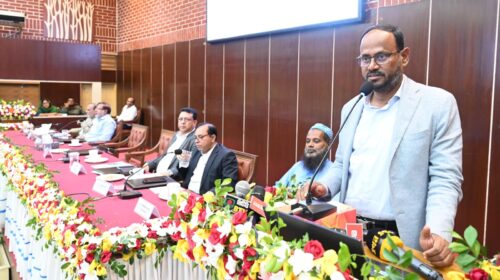
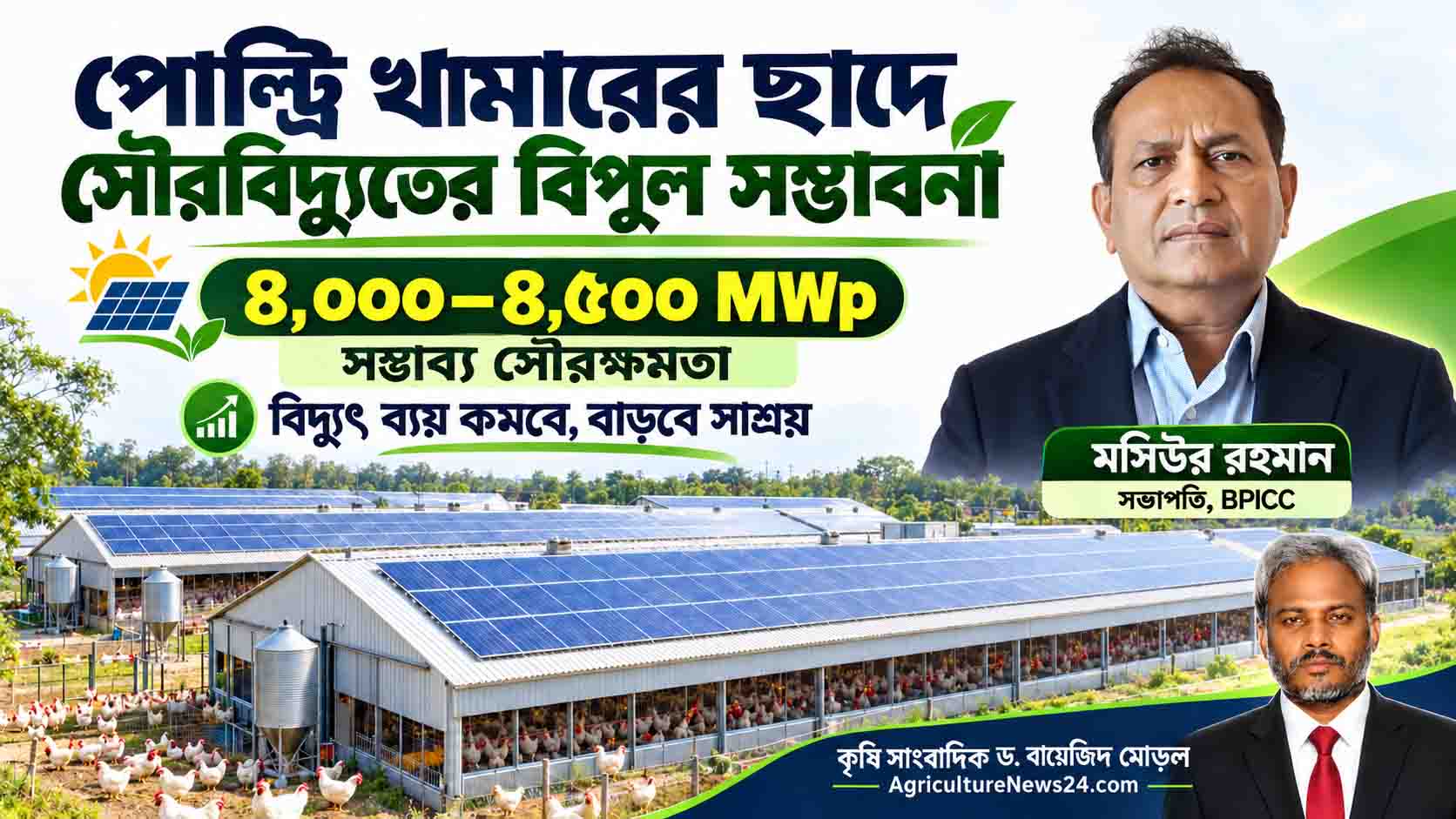
গত ৩ অক্টোবর ঢাকার র্যাডিসন ব্লু ওয়াটার গার্ডেন হোটেলে ওয়ার্ল্ড’স পোল্ট্রি সায়েন্স অ্যাসোসিয়েশন-বাংলাদেশ ব্রাঞ্চের আয়োজিত আন্তর্জাতিক কারিগরি সেমিনারে এ সম্ভাবনা তুলে ধরেন বাংলাদেশ পোল্ট্রি ইন্ডাস্ট্রিজ সেন্ট্রাল কাউন্সিলের সভাপতি মসিউর রহমান।
‘জলবায়ুবান্ধব পোল্ট্রি খামার’ বিষয়ক উপস্থাপনায় তিনি সৌরবিদ্যুৎ, বায়োগ্যাস, বর্জ্য ব্যবস্থাপনা এবং প্রযুক্তিনির্ভর খামার পরিচালনার একটি সমন্বিত ধারণা দেন। সেমিনারের মূল প্রতিপাদ্য ছিল বিশ্ববাজারে প্রতিযোগিতার উপযোগী ও প্রতিকূলতা মোকাবিলায় সক্ষম পোল্ট্রি উৎপাদন।
তাঁর উপস্থাপনার তথ্য অনুযায়ী, বাংলাদেশে আনুমানিক ২৫ মিলিয়ন বা আড়াই কোটি বর্গমিটার পোল্ট্রি শেডের ছাদ রয়েছে। এর প্রায় ৭০ শতাংশ সৌরপ্যানেল বসানোর উপযোগী ধরে এবং প্রতি বর্গমিটারে ০ দশমিক ২৫ কিলোওয়াটপিক সক্ষমতা হিসাব করলে প্রায় ৪,০০০–৪,৫০০ মেগাওয়াটপিক সৌরক্ষমতা স্থাপনের সম্ভাবনা পাওয়া যায়।
এটি একটি সম্ভাবনার প্রাক্কলন। দেশের প্রতিটি খামারের ছাদ পরীক্ষা করে পাওয়া চূড়ান্ত সক্ষমতা হিসেবে একে বিবেচনা করা উচিত হবে না।
হিসাবটি কীভাবে পাওয়া যায়?
উপস্থাপনায় ব্যবহৃত অনুমানের ভিত্তিতে হিসাবটি সহজভাবে দেখা যাক।
| হিসাবের বিষয় | পরিমাণ |
|---|---|
| পোল্ট্রি শেডের মোট আনুমানিক ছাদ | ২ কোটি ৫০ লাখ বর্গমিটার |
| এর ৭০ শতাংশ ব্যবহারযোগ্য ধরা হলে | ১ কোটি ৭৫ লাখ বর্গমিটার |
| প্রতি বর্গমিটারে ধরা সৌরক্ষমতা | ০.২৫ কিলোওয়াটপিক |
| হিসাব অনুযায়ী মোট সম্ভাব্য সক্ষমতা | ৪,৩৭৫ মেগাওয়াটপিক |
এই হিসাবই প্রায় ৪,০০০–৪,৫০০ মেগাওয়াটপিক সম্ভাবনার ধারণাকে ব্যাখ্যা করে।
তবে বাস্তবে প্যানেলের দক্ষতা, ছাদের আকৃতি, রোদ ও ছায়া, রক্ষণাবেক্ষণের জন্য ফাঁকা জায়গা এবং কাঠামোর শক্তি বিবেচনায় নিতে হবে। সব খামারের ছাদে একই হারে প্যানেল বসানো সম্ভব হবে না।
মেগাওয়াটপিক মানে সারাক্ষণ সমপরিমাণ বিদ্যুৎ নয়
সৌরবিদ্যুতের সম্ভাবনা নিয়ে আলোচনা করার সময় একটি বিষয় পরিষ্কার রাখা জরুরি। মেগাওয়াটপিক হলো নির্ধারিত পরীক্ষার পরিবেশে সৌরপ্যানেলের সর্বোচ্চ উৎপাদনক্ষমতার পরিমাপ।
তাই ৪,৩৭৫ মেগাওয়াটপিক সৌরপ্যানেল বসানো মানে দিনরাত একটানা ৪,৩৭৫ মেগাওয়াট বিদ্যুৎ পাওয়া নয়। বাস্তব উৎপাদন নির্ভর করবে সূর্যের আলো, আবহাওয়া, প্যানেলের তাপমাত্রা এবং পুরো ব্যবস্থার কার্যকারিতার ওপর।
তবু দিনের বেলায় খামারের বিদ্যুতের চাহিদার একটি অংশ মেটাতে পারলে তা গুরুত্বপূর্ণ সাশ্রয় এনে দিতে পারে। বিশেষ করে গরমের সময় যখন পাখা, বায়ু চলাচল ও শীতলীকরণ ব্যবস্থা চালানোর প্রয়োজন বাড়ে, তখন সৌরবিদ্যুৎ কার্যকর সহায়ক হতে পারে।
খামারির লাভের সঙ্গে বিদ্যুতের সম্পর্ক কোথায়?
পোল্ট্রি খামারে আলো, পাখা, পানি তোলার পাম্প, শীতলীকরণ এবং অন্যান্য যন্ত্রপাতি পরিচালনায় বিদ্যুৎ লাগে। খামারের ধরন ও আকার অনুযায়ী এই চাহিদা ভিন্ন হয়।
নিজস্ব সৌরবিদ্যুৎ দিয়ে দিনের চাহিদার একটি অংশ মেটানো গেলে গ্রিড থেকে কেনা বিদ্যুতের পরিমাণ কমতে পারে। তবে কত টাকা সাশ্রয় হবে, তা খামারভেদে হিসাব করতে হবে।
একটি খামার দিনে কত বিদ্যুৎ ব্যবহার করে, সৌরপ্যানেল কত বিদ্যুৎ উৎপাদন করবে, স্থাপনে কত খরচ হবে এবং রক্ষণাবেক্ষণে কত লাগবে—এসব তথ্য ছাড়া লাভের নির্ভরযোগ্য হিসাব করা যাবে না।
আমার মাঠপর্যায়ের অভিজ্ঞতা থেকে মনে হয়, খামারির কাছে প্রযুক্তির পরিচয়ের চেয়ে এর বাস্তব ফল বেশি গুরুত্বপূর্ণ। তিনি জানতে চান—এটি বসালে মাসে কত টাকা বাঁচবে, কতদিনে বিনিয়োগ উঠে আসবে এবং সমস্যা হলে সেবা পাবেন কোথায়।
সৌরবিদ্যুতের উদ্যোগকে সফল করতে এই প্রশ্নগুলোর সহজ ও পরিষ্কার উত্তর দিতে হবে।
অতিরিক্ত বিদ্যুৎ ব্যবহারের সুযোগ
খামারের নিজস্ব ব্যবহারের পর অতিরিক্ত সৌরবিদ্যুৎ থাকলে অনুমোদিত নেট মিটারিং ব্যবস্থায় তা গ্রিডে সরবরাহের সুযোগ রয়েছে। দ্বিমুখী মিটার গ্রিড থেকে নেওয়া এবং গ্রিডে দেওয়া বিদ্যুতের হিসাব রাখে। প্রকল্প করার আগে সংশ্লিষ্ট বিদ্যুৎ বিতরণ সংস্থার প্রযোজ্য নির্দেশনা ও অনুমোদনের শর্ত যাচাই করা প্রয়োজন।
তবে সৌরপ্যানেল থাকলেই বিদ্যুৎ চলে যাওয়ার সময় খামারের সব যন্ত্র চলবে—এমন ধারণা ঠিক নয়। বিদ্যুৎ বিভ্রাটে গুরুত্বপূর্ণ যন্ত্র চালু রাখতে উপযুক্ত ব্যাকআপ ব্যবস্থা প্রকল্পের নকশায় রাখতে হবে।
ছাদের তাপ কমানোর সুযোগও আছে
মসিউর রহমানের উপস্থাপনায় বলা হয়, ছাদের ওপর সৌরপ্যানেল ছায়া তৈরি করে শেডের তাপমাত্রা প্রায় ২–৩ ডিগ্রি সেলসিয়াস কমাতে সহায়তা করতে পারে।
তবে সব খামারে একই ফল পাওয়া যাবে ধরে নেওয়া উচিত নয়। ছাদের উপাদান, প্যানেল বসানোর উচ্চতা, বায়ু চলাচল এবং বাইরের আবহাওয়া অনুযায়ী ফল ভিন্ন হতে পারে।
তাই পরীক্ষামূলক খামারে প্যানেল বসানোর আগে ও পরে তাপমাত্রা এবং বিদ্যুৎ ব্যবহার মেপে দেখা দরকার। এতে বোঝা যাবে সৌরপ্যানেলের ছায়া খামারের পরিবেশ ও ব্যয়ে কতটা পরিবর্তন আনছে।
সৌরবিদ্যুতের সঙ্গে বর্জ্য ব্যবস্থাপনাও জরুরি
জলবায়ুবান্ধব পোল্ট্রি খামারের ধারণা শুধু ছাদে সৌরপ্যানেল বসানোর মধ্যে সীমাবদ্ধ নয়। মুরগির বিষ্ঠা ও অন্যান্য বর্জ্য সঠিকভাবে ব্যবস্থাপনার বিষয়টিও এর অংশ।
উপস্থাপনায় সৌরবিদ্যুতের পাশাপাশি বায়োগ্যাস, কম্পোস্ট এবং উন্নত বর্জ্য প্রক্রিয়াজাতকরণের কথা বলা হয়েছে। উপযুক্ত প্রযুক্তি ও ব্যবস্থাপনা থাকলে বর্জ্য থেকে জ্বালানি ও জৈবসার উৎপাদনের সুযোগ তৈরি হতে পারে।
তবে বর্জ্য থেকে আয়ের হিসাব করার আগে সংগ্রহ, পরিবহন, প্রক্রিয়াজাতকরণ, নিরাপত্তা ও বাজারের খরচ বিবেচনা করতে হবে। উৎপাদিত জৈবসার বা অন্য পণ্য বিক্রির ব্যবস্থা না থাকলে শুধু প্ল্যান্ট স্থাপন করে প্রত্যাশিত সুবিধা পাওয়া কঠিন।
কার্বন নিঃসরণ কমানোর পরিমাণও পরিমাপ ও যাচাইয়ের বিষয়। সম্ভাবনার সংখ্যাকে বাস্তবে অর্জিত ফল হিসেবে দেখানো যাবে না।
ছোট ও বড় খামারের জন্য আলাদা পরিকল্পনা
সব খামারে একই প্রযুক্তি বসানো অর্থনৈতিকভাবে যুক্তিসংগত হবে না।
ছোট খামার প্রথমে বিদ্যুৎ ব্যবহারের হিসাব, সাশ্রয়ী আলো এবং সামর্থ্য অনুযায়ী সৌরবিদ্যুতের ব্যবস্থা নিয়ে এগোতে পারে। মাঝারি খামারে এর সঙ্গে উন্নত বায়ু চলাচল, বর্জ্য ব্যবস্থাপনা ও নেট মিটারিংয়ের সম্ভাবনা যাচাই করা যেতে পারে।
বড় খামারে সৌরবিদ্যুৎ, ব্যাটারি, বায়োগ্যাস, কম্পোস্ট এবং স্বয়ংক্রিয় ব্যবস্থাপনা সমন্বয়ের সুযোগ বেশি। কিন্তু প্রতিটি অংশের আলাদা ব্যয় ও সুবিধা যাচাই করতে হবে।
খামারের আকারের পাশাপাশি তার নগদ অর্থের প্রবাহ, ঋণ পরিশোধের সক্ষমতা এবং প্রযুক্তি পরিচালনার দক্ষতাও বিবেচনায় নেওয়া জরুরি।
সম্ভাবনাকে বাস্তবে আনতে কী করতে হবে?
প্রথম কাজ হওয়া উচিত পোল্ট্রি শেডের ছাদের একটি নির্ভরযোগ্য জরিপ। কোন ছাদ কতটা শক্ত, কোথায় কত রোদ পাওয়া যায় এবং কত সৌরক্ষমতা বসানো সম্ভব—এসব জানতে হবে।
এরপর বিভিন্ন আকারের খামারে পরীক্ষামূলক প্রকল্প নেওয়া যেতে পারে। প্রকল্পগুলোতে বিদ্যুৎ উৎপাদন, বিল সাশ্রয়, রক্ষণাবেক্ষণের খরচ এবং খামারের পরিবেশের পরিবর্তন নিয়মিত মেপে ফল প্রকাশ করা দরকার।
প্যানেল বসানোর আগে যোগ্য প্রকৌশলীর মাধ্যমে ছাদের ভার বহনের সক্ষমতা, ঝড়ের ঝুঁকি ও বৈদ্যুতিক নিরাপত্তা পরীক্ষা করতে হবে। প্রকল্পের কাজ এবং পরবর্তী রক্ষণাবেক্ষণেও খামারের জীবাণু নিরাপত্তা বজায় রাখতে হবে।
খামারিদের জন্য সহজ অর্থায়ন, স্পষ্ট চুক্তি এবং বিক্রয়োত্তর সেবার ব্যবস্থা থাকলে উদ্যোগটি গ্রহণ করা সহজ হবে। প্রযুক্তি সরবরাহকারী, খামারি সংগঠন, বিদ্যুৎ বিতরণ সংস্থা ও সংশ্লিষ্ট সরকারি প্রতিষ্ঠানের সমন্বয় এখানে দরকার।
ছাদও হতে পারে খামারের উৎপাদনশীল সম্পদ
আমার ২৬ বছরের সাংবাদিকতার অভিজ্ঞতায় খামারিদের সঙ্গে কথা বলে একটি বিষয় বারবার বুঝেছি—উৎপাদন বাড়ানোর পাশাপাশি খরচ নিয়ন্ত্রণ করতে না পারলে খামারের লাভ ধরে রাখা কঠিন।
পোল্ট্রি শেডের ছাদে সৌরবিদ্যুৎ সেই খরচ নিয়ন্ত্রণের একটি সম্ভাবনাময় পথ। তবে এর সাফল্য নির্ভর করবে বাস্তবসম্মত হিসাব, ভালো নকশা, মানসম্মত যন্ত্রপাতি এবং নিয়মিত সেবার ওপর।
প্রস্তাবিত ৪,০০০–৪,৫০০ মেগাওয়াটপিক সম্ভাবনা দেশের পোল্ট্রি খাতকে নতুনভাবে ভাবার সুযোগ দিয়েছে। এখন দরকার মাঠপর্যায়ে যাচাই করে ধাপে ধাপে এগিয়ে যাওয়া। সঠিক উদ্যোগ নেওয়া গেলে মুরগি পালনের শেডের ছাদ একই সঙ্গে বিদ্যুৎ উৎপাদন, খামারের ব্যয় হ্রাস এবং দেশের জ্বালানি নিরাপত্তায় অবদানের একটি গুরুত্বপূর্ণ সম্পদ হয়ে উঠতে পারে।
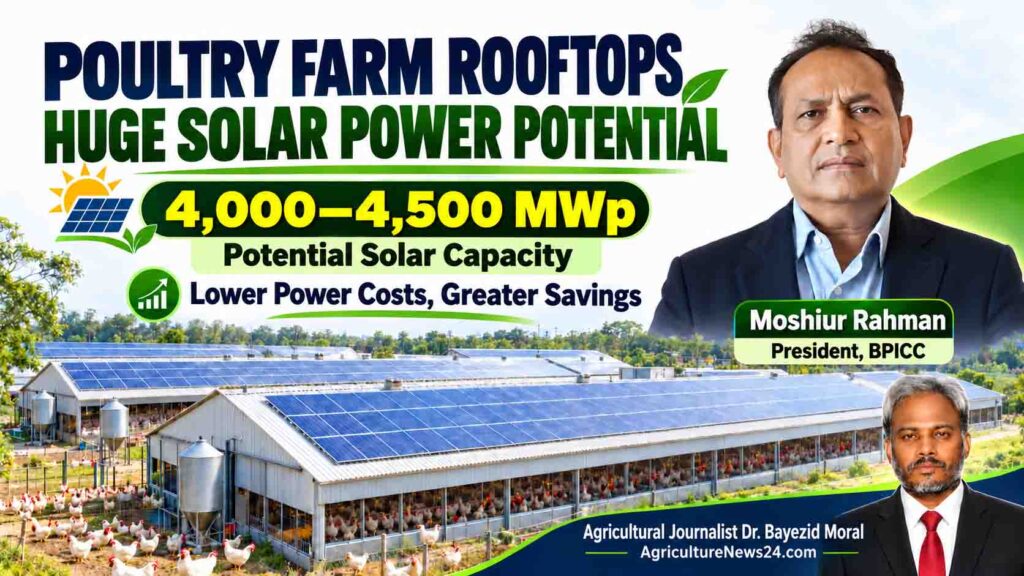
Solar Power on Poultry Farm Roofs: A New Opportunity to Reduce Farmers’ Costs and Strengthen Bangladesh’s Energy Security
An estimated potential of 4,000–4,500 megawatt-peak; implementation requires roof surveys, sound investment and farmer-friendly support
A research-based report by agricultural journalist Dr. Bayezid Moral
During my 26 years in journalism, visiting farms and speaking directly with farmers, I have seen and learned that poultry farming success depends on much more than good chicks, feed and market prices. Electricity, water, temperature and ventilation also play an important role in production and profitability.
Even when feeding and daily care are properly managed, a lack of electricity at a critical moment can disrupt farm operations. Running alternative power systems adds further costs. Electricity and fuel expenses must therefore be included when calculating a farmer’s actual profit.
Against this background, rooftop solar power deserves serious consideration. The same roof that shelters poultry can also generate electricity for the farm. This could reduce the need for additional land, lower electricity expenses and increase the poultry sector’s contribution to renewable energy in Bangladesh.
A Major Opportunity Presented at the Seminar
Mashiur Rahman, President of the Bangladesh Poultry Industries Central Council, highlighted this opportunity at an international technical seminar organized by the World’s Poultry Science Association–Bangladesh Branch at the Radisson Blu Dhaka Water Garden hotel on 3 October.
In his presentation on “Climate-Smart Poultry Farming,” he outlined an integrated approach combining solar power, biogas, waste management and technology-based farm operations. The seminar’s theme was “Resilient Poultry Production for Global Competitiveness.”
According to the figures presented, Bangladesh has approximately 25 million square metres of poultry shed roofs. Assuming that around 70 percent of this area could accommodate solar panels, with an installed capacity of 0.25 kilowatt-peak per square metre, the estimated potential is approximately 4,000–4,500 megawatt-peak.
This is an estimate of potential capacity. It should not be treated as a final figure established through inspections of every poultry farm roof in the country.
How Is the Potential Calculated?
The calculation can be explained simply using the assumptions in the presentation.
| Item | Estimated figure |
|---|---|
| Total poultry shed roof area | 25 million square metres |
| Usable area, assuming 70 percent suitability | 17.5 million square metres |
| Assumed solar capacity per square metre | 0.25 kilowatt-peak |
| Calculated potential capacity | 4,375 megawatt-peak |
This calculation explains the estimated range of approximately 4,000–4,500 megawatt-peak.
Actual installation capacity would depend on panel efficiency, roof shape, sunlight and shading, maintenance access and structural strength. Not every farm roof could accommodate panels at the same density.
Megawatt-Peak Does Not Mean Continuous Electricity Supply
One distinction must remain clear when discussing solar power potential. Megawatt-peak measures the rated output of solar panels under standard test conditions.
Installing 4,375 megawatt-peak of solar capacity would therefore not mean receiving 4,375 megawatts of electricity continuously, day and night. Actual generation would depend on sunlight, weather, panel temperature and overall system performance.
Nevertheless, meeting part of a farm’s daytime electricity demand could provide meaningful savings. Solar power could be particularly useful during hot weather, when fans, ventilation and cooling systems need to operate more intensively.
How Could Solar Power Improve Farm Profitability?
Poultry farms need electricity for lighting, fans, water pumps, cooling and other equipment. Demand varies according to the type and size of the farm.
Using solar electricity to meet part of daytime demand could reduce the amount of electricity purchased from the grid. However, the financial savings must be calculated separately for each farm.
A reliable assessment requires information on daytime consumption, expected solar generation, installation costs and maintenance expenses.
From my field experience, I believe farmers are primarily interested in the practical results of a technology. They want to know how much money it will save each month, how long it will take to recover the investment and where they can obtain service if something goes wrong.
Successful solar initiatives must provide clear, understandable answers to these questions.
An Opportunity to Supply Surplus Electricity
Where solar generation exceeds a farm’s own consumption, an approved net metering arrangement can allow surplus electricity to be supplied to the grid. A bidirectional meter records electricity imported from and exported to the grid. Before developing a project, farmers should check the applicable requirements and approval conditions with their electricity distribution company.
However, installing solar panels does not automatically mean that all farm equipment will continue operating during a power outage. Suitable backup arrangements must be included in the system design to keep essential equipment running during interruptions.
Solar Panels May Also Help Reduce Roof Heat
Mashiur Rahman’s presentation suggested that shade created by rooftop solar panels could help reduce shed temperatures by approximately 2–3 degrees Celsius.
The same result should not be assumed for every farm. Roof materials, panel mounting height, airflow and outdoor weather conditions can all influence the outcome.
Pilot farms should therefore measure temperatures and electricity consumption before and after installation. This would help establish how much panel shading changes the farm environment and operating costs.
Waste Management Must Be Part of the Plan
Climate-smart poultry farming involves more than installing solar panels. Proper management of poultry manure and other waste is another important part of the approach.
The presentation discussed biogas, composting and improved waste processing alongside solar power. With suitable technology and management, farm waste could become a source of energy and organic fertilizer.
However, any estimate of income from waste must account for collection, transport, processing, safety and marketing costs. Installing a processing plant alone may not deliver the expected benefits if there is no reliable market for its products.
Carbon emission reductions also require measurement and verification. Potential reductions should not be presented as results already achieved.
Different Farms Need Different Plans
Installing the same technology package on every farm would not necessarily make financial sense.
Small farms could begin by reviewing electricity consumption, using efficient lighting and considering solar systems that match their financial capacity. Medium-sized farms could also assess improved ventilation, structured waste management and net metering.
Large farms may have greater opportunities to combine solar power, batteries, biogas, composting and automated management. Even so, the costs and benefits of each component must be assessed separately.
Alongside farm size, planning must consider cash flow, loan repayment capacity and the skills needed to operate and maintain the technology.
What Is Needed to Turn the Potential into Reality?
The first step should be a reliable survey of poultry shed roofs. This should establish structural strength, sunlight availability and the solar capacity that could realistically be installed.
Pilot projects could then be introduced across farms of different sizes. Electricity generation, bill savings, maintenance costs and changes in the farm environment should be measured regularly, with the findings made available to farmers.
Before installation, qualified engineers should assess roof load-bearing capacity, storm risks and electrical safety. Farm biosecurity must also be maintained during installation and subsequent maintenance.
Accessible financing, clear contracts and dependable after-sales service would make adoption easier. Coordination among technology suppliers, farmer organizations, electricity distribution companies and relevant government institutions would also be necessary.
Farm Roofs Can Become Productive Assets
During my 26 years in journalism, conversations with farmers have repeatedly reinforced one lesson: increasing production alone is not enough to sustain profitability unless costs are also kept under control.
Solar power on poultry shed roofs offers a promising way to manage part of those costs. Its success will depend on realistic calculations, appropriate design, reliable equipment and ongoing service.
The estimated potential of 4,000–4,500 megawatt-peak creates an opportunity to reconsider the role of Bangladesh’s poultry sector in energy production. The next step is to verify that potential through field assessments and proceed in stages.
With the right investment and management, poultry shed roofs could become valuable assets for generating electricity, reducing farm expenses and contributing to Bangladesh’s energy security.