















ডিম-মুরগির উৎপাদন বাড়ছে, খামারির লাভ বাড়ছে কি?
উৎপাদন খরচ, বাজারদর ও খামারির ভবিষ্যৎ নিয়ে পোল্ট্রি অর্থনীতির গুরুত্বপূর্ণ প্রশ্ন
কৃষি সাংবাদিক ড. বায়েজিদ মোড়লের গবেষণাধর্মী প্রতিবেদন
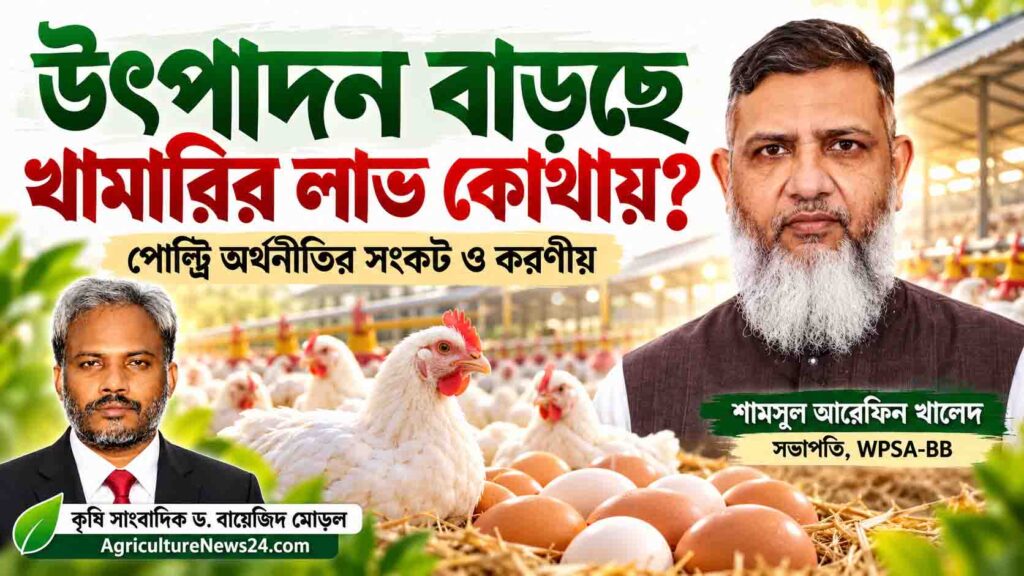
আমার ২৬ বছরের সাংবাদিকতার অভিজ্ঞতায় সরেজমিনে দেখেছি ও জেনেছি, খামারে উৎপাদন বাড়লেই খামারির জীবনে স্বস্তি আসে না। একটি খামারে অনেক মুরগি থাকতে পারে, প্রতিদিন প্রচুর ডিমও পাওয়া যেতে পারে। কিন্তু সেই ডিম ও মুরগি বিক্রি করে খামারি যদি উৎপাদন খরচ তুলতে না পারেন, তাহলে তাঁর খামার ধীরে ধীরে দুর্বল হয়ে পড়ে।
তাই পোল্ট্রি খাতের উন্নয়ন বুঝতে শুধু উৎপাদনের হিসাব দেখলে চলবে না। দেখতে হবে, খামারি কত টাকা খরচ করছেন, কত দামে বিক্রি করছেন এবং সব খরচ বাদ দিয়ে তাঁর হাতে কী থাকছে।
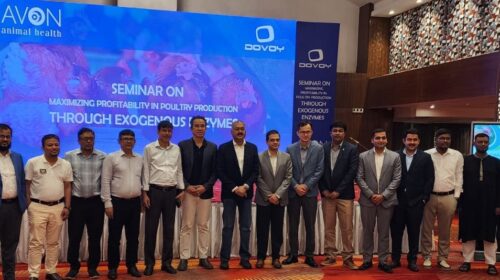
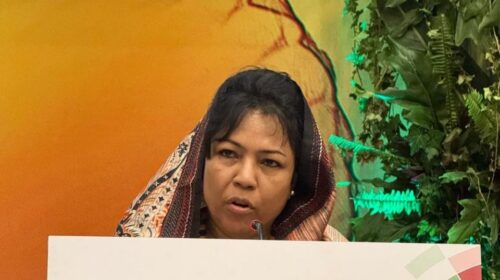
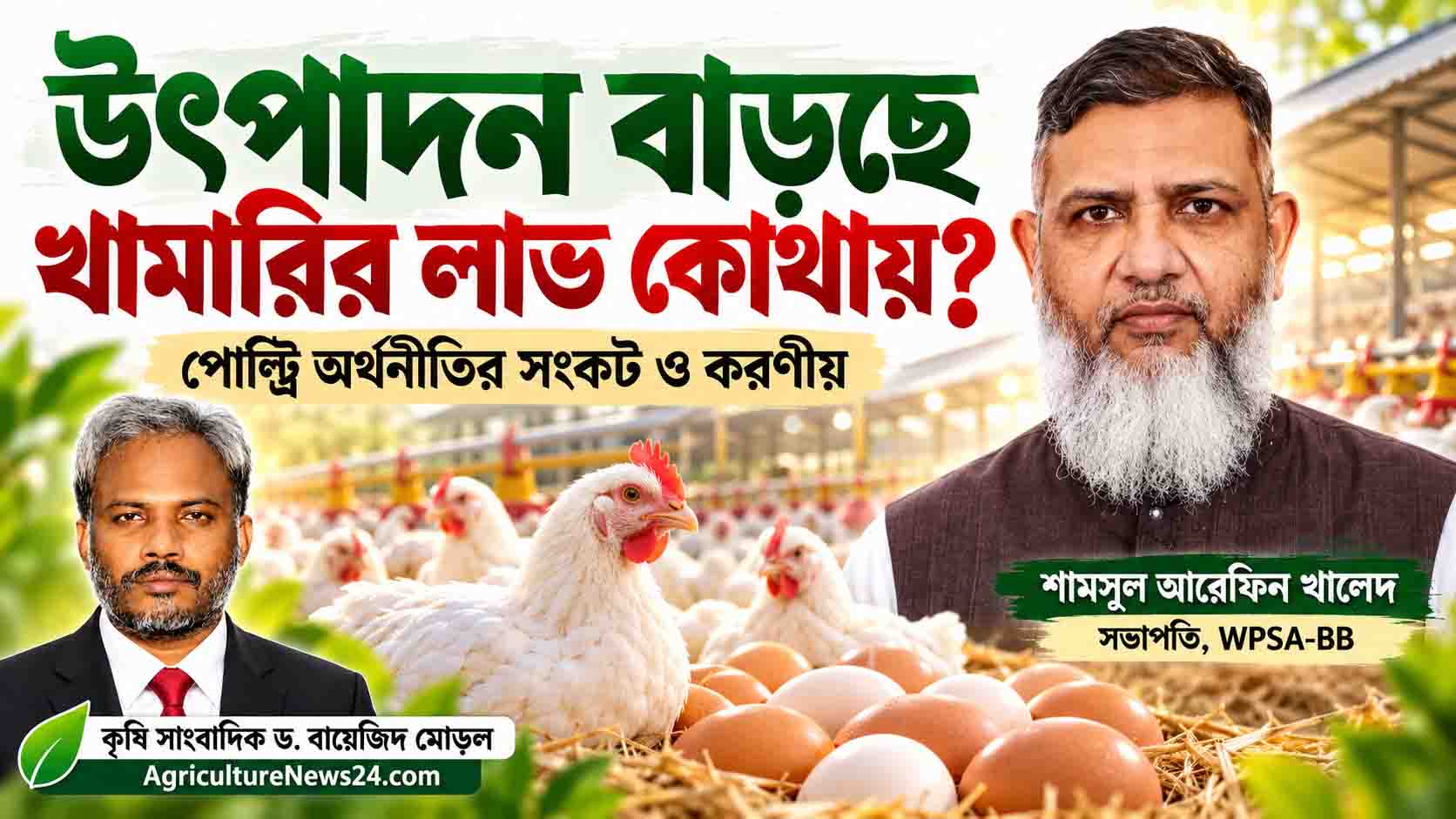
গত ৩ অক্টোবর অনুষ্ঠিত ওয়ার্ল্ড’স পোল্ট্রি সায়েন্স অ্যাসোসিয়েশন–বাংলাদেশ ব্রাঞ্চের আন্তর্জাতিক কারিগরি সেমিনারের একটি আলোচনার সারসংক্ষেপে এই বিষয়টি গুরুত্ব পেয়েছে। সংগঠনের সভাপতি এবং খালেদ গ্রুপ অব কোম্পানিজের পরিচালক শামসুল আরেফিন খালেদের আলোচনার বিষয় ছিল বাংলাদেশের পোল্ট্রি অর্থনীতি—উৎপাদন খরচ, উৎপাদনশীলতা, লাভ, ঝুঁকি ও করণীয়।
তাঁর উপস্থাপনার মূল বক্তব্যের বাংলা অর্থ হলো, পোল্ট্রি খাত উৎপাদনের পরিমাণ বাড়াতে পেরেছে, কিন্তু উৎপাদিত পণ্যের ন্যায্য মূল্য পাওয়ার সমস্যাটি এখনো রয়ে গেছে।
উৎপাদন আছে, তবু লোকসান কেন?
ডিম ও মুরগি উৎপাদনের জন্য খামারিকে আগেই টাকা খরচ করতে হয়। বাচ্চা কিনতে হয়, খাদ্য দিতে হয়, শ্রমিক রাখতে হয়। বিদ্যুৎ, চিকিৎসা, জীবাণুনাশক ও পরিবহনের খরচও আছে। অনেক খামারি ঋণ নিয়ে এসব খরচ চালান।
কিন্তু মুরগি বা ডিম বিক্রির সময় বাজারদর কত থাকবে, তা তিনি নিশ্চিতভাবে জানেন না। উৎপাদন খরচ বেড়ে গেলেও সেই অনুযায়ী বিক্রয়মূল্য বাড়বে—এমন নিশ্চয়তা নেই।
মুরগির দাম পড়ে গেলে খামারি ইচ্ছামতো বিক্রি বন্ধ রাখতে পারেন না। কারণ মুরগি যত দিন খামারে থাকবে, তত দিন খাদ্য ও অন্যান্য খরচ বাড়বে। ডিমও দীর্ঘ সময় জমিয়ে রাখা সম্ভব নয়। ফলে অনেক সময় কম দামেই পণ্য বিক্রি করতে হয়।
এভাবেই ভালো উৎপাদন হওয়ার পরও খামারি লোকসানের মুখে পড়তে পারেন।
উপস্থাপনায় উঠে এসেছে বড় লোকসানের হিসাব
শামসুল আরেফিন খালেদের উপস্থাপনার সারসংক্ষেপে বলা হয়েছে, বাংলাদেশের পোল্ট্রি খাত প্রায় ৮৫ লাখ মানুষের জীবিকার সঙ্গে যুক্ত।
সেখানে আরও উল্লেখ করা হয়, ২০২৫ সালের জানুয়ারি থেকে ২০২৬ সালের আগস্ট পর্যন্ত ব্রয়লার প্রজনন খামারগুলোর আনুমানিক লোকসান হয়েছে ১ হাজার ৭০৬ কোটি টাকা। ডিম উৎপাদনকারী খামারিরা ২০২৬ সালের মাত্র দুই মাসে উৎপাদন খরচ তুলতে পেরেছেন বলেও উল্লেখ রয়েছে।
এগুলো আলোচকের উপস্থাপিত প্রাক্কলন; সরকারি চূড়ান্ত পরিসংখ্যান নয়। সারসংক্ষেপে জানানো হয়েছে, নির্বাচিত তথ্যসূত্র, অতীতের তথ্য ও বিভিন্ন ঘটনার বিশ্লেষণের ভিত্তিতে হিসাবগুলো তৈরি করা হয়েছে।
তারপরও এসব হিসাব খাতটির সংকট বোঝার জন্য গুরুত্বপূর্ণ। কারণ দীর্ঘ সময় খরচের নিচে পণ্য বিক্রি হলে খামারির পুঁজি কমে যায়। ঋণ বাড়ে। একপর্যায়ে তিনি উৎপাদন কমিয়ে দিতে বা খামার বন্ধ করতে বাধ্য হতে পারেন।
বাজারের চাহিদার সঙ্গে উৎপাদনের মিল প্রয়োজন
পোল্ট্রি খাতে একটি বড় সমস্যা হলো, বাজারের চাহিদা ও উৎপাদনের মধ্যে যথেষ্ট সমন্বয় না থাকা।
ভালো দাম দেখে অনেক খামারি একসঙ্গে মুরগি তোলেন। পরে সেই মুরগি একসঙ্গে বাজারে এলে সরবরাহ বেড়ে যায়। চাহিদা সেই অনুপাতে না বাড়লে দাম কমে যায়।
আবার লোকসানের কারণে অনেকে উৎপাদন কমিয়ে দিলে পরবর্তী সময়ে সরবরাহ কমতে পারে। তখন দাম বাড়ে। এই ওঠানামায় খামারি ও ভোক্তা—উভয়েই সমস্যায় পড়েন।
উপস্থাপনায় বাচ্চা সরবরাহকে বাজারের চাহিদার সঙ্গে মিলিয়ে পরিচালনার প্রস্তাব দেওয়া হয়েছে। ব্রয়লারে বছরে ১০ শতাংশ এবং লেয়ারে ৫ থেকে ১০ শতাংশ প্রবৃদ্ধির সীমার কথাও বলা হয়েছে।
এই হারগুলো আলোচকের প্রস্তাব, কার্যকর সরকারি নির্দেশনা নয়। তবে প্রস্তাবটির মূল কথা হলো—সঠিক তথ্যের ভিত্তিতে উৎপাদনের পরিকল্পনা করতে হবে।
কত বাচ্চা উৎপাদিত হচ্ছে, কত খামারে মুরগি উঠছে এবং সামনে বাজারে কত ডিম-মুরগি আসবে—এসব তথ্য নিয়মিত পাওয়া গেলে খামারির সিদ্ধান্ত নেওয়া সহজ হবে।
খামারি কম পান, ক্রেতা বেশি দেন—ব্যবধান কোথায়?
খামারি কম দামে ডিম বা মুরগি বিক্রি করলেও ক্রেতা সব সময় কম দামে কিনতে পারেন না। তাই খামার থেকে খুচরা বাজার পর্যন্ত দামের হিসাব দেখা প্রয়োজন।
পণ্য পরিবহন, শ্রম, সংরক্ষণ, দোকান পরিচালনা এবং নষ্ট হওয়া পণ্যের জন্য খরচ আছে। এসব খরচ বাদ দেওয়া যাবে না। তবে কোন ধাপে কত খরচ হচ্ছে এবং কত লাভ থাকছে, সেটি স্বচ্ছ হওয়া দরকার।
উপস্থাপনায় উৎপাদক পর্যায় থেকে সরবরাহ ব্যবস্থার মধ্যবর্তী ধাপে মুনাফা সরে যাওয়ার বিষয়টি তুলে ধরা হয়েছে। এই বক্তব্য যাচাই করতে একই সময়ের খামার, পাইকারি ও খুচরা দাম তুলনা করা প্রয়োজন।
সব মধ্যবর্তী ব্যবসায়ীকে একভাবে দায়ী না করে তথ্য দিয়ে দেখতে হবে, কোথায় যৌক্তিক খরচ হচ্ছে এবং কোথায় অযৌক্তিকভাবে দাম বাড়ছে। এতে খামারি ও ভোক্তা—দুই পক্ষের স্বার্থ রক্ষা করা সহজ হবে।
খাদ্যের খরচ কমাতে সমন্বিত উদ্যোগ দরকার
মুরগির খাদ্যের খরচ খামারের লাভ-লোকসানে বড় প্রভাব ফেলে। তাই খাদ্যের দাম, মান এবং সরবরাহ—সবকিছুর দিকে নজর দেওয়া প্রয়োজন।
উপস্থাপনায় প্রয়োজনীয় খাদ্য উপকরণের কর ও আমদানি শুল্ক পর্যালোচনা, সমন্বিত খাদ্যনীতি এবং খাদ্যশস্যের মজুত ব্যবস্থার প্রস্তাব এসেছে।
এসব উদ্যোগ নেওয়া হলে তার সুফল খামারি পর্যন্ত পৌঁছাচ্ছে কি না, সেটিও দেখতে হবে। উপকরণের খরচ কমলেও খামারি যদি কম দামে ভালো খাদ্য না পান, তাহলে উদ্দেশ্য পূরণ হবে না।
খামার পর্যায়েও খাদ্যের অপচয় কমানো, মুরগির বয়স অনুযায়ী খাবার দেওয়া এবং উৎপাদনের হিসাব রাখা প্রয়োজন। তবে বাজারের বড় সমস্যাগুলোকে শুধু খামারির ব্যবস্থাপনার ভুল বলে ব্যাখ্যা করলে সমাধান পাওয়া যাবে না।
সহজ ঋণ ও বীমা কেন প্রয়োজন?
পোল্ট্রি খামারে রোগ, মৃত্যুহার এবং বাজারদর পতনের ঝুঁকি আছে। একটি ব্যাচে বড় ক্ষতি হলে ছোট খামারির পক্ষে আবার শুরু করা কঠিন হয়ে পড়ে।
এ কারণে উপস্থাপনায় সাশ্রয়ী ঋণ, বীমা ও ন্যায্য ক্ষতিপূরণের প্রয়োজন তুলে ধরা হয়েছে।
ঋণ এমন হতে হবে, যাতে খামারি উৎপাদন ও বিক্রির সময় অনুযায়ী টাকা পরিশোধ করতে পারেন। বীমার ক্ষেত্রেও শর্ত সহজ ও স্পষ্ট হওয়া দরকার। কী ধরনের ক্ষতি বীমার আওতায় থাকবে এবং ক্ষতিপূরণ কীভাবে পাওয়া যাবে—তা খামারিকে বুঝতে হবে।
ছোট খামারির জন্য সহায়তার ব্যবস্থা থাকলেও তিনি যদি জটিল কাগজপত্রের কারণে তা নিতে না পারেন, তাহলে সেই ব্যবস্থা কার্যকর হবে না।
বিশ্ববাজারে যাওয়ার আগে দেশের খামারকে শক্ত করতে হবে
বাংলাদেশের পোল্ট্রি পণ্য আন্তর্জাতিক হালাল বাজারে নেওয়ার সম্ভাবনার কথা উপস্থাপনায় এসেছে। এই লক্ষ্য অর্জনে প্রক্রিয়াজাত পণ্য, মান যাচাই এবং শীতল সংরক্ষণ ও পরিবহনব্যবস্থায় বিনিয়োগের ওপর গুরুত্ব দেওয়া হয়েছে।
কিন্তু দেশের খামারি নিয়মিত লোকসান করলে নতুন প্রযুক্তি ব্যবহার ও উৎপাদনের মান উন্নত করা কঠিন হয়ে পড়ে। তাই রপ্তানির প্রস্তুতির সঙ্গে দেশের খামারগুলোর আর্থিক সক্ষমতাও বাড়াতে হবে।
বড় প্রতিষ্ঠানের পাশাপাশি ছোট ও মাঝারি খামারিকেও এই উন্নয়নের অংশ করতে হবে। প্রশিক্ষণ, বাজারের তথ্য, মানসম্মত উপকরণ এবং বিক্রির সুযোগ তাঁদের কাছে পৌঁছানো প্রয়োজন।
উন্নয়নের আসল মাপকাঠি খামারির স্থিতি
আমার সাংবাদিকতার অভিজ্ঞতায় পোল্ট্রি খাতকে দেখার একটি গুরুত্বপূর্ণ প্রশ্ন হলো—খামারি কি আগামী ব্যাচের মুরগি তুলতে পারছেন?
একটি ব্যাচ বিক্রির পর যদি তাঁর ঋণ বাড়ে, পুঁজি কমে এবং নতুন করে উৎপাদন শুরু করতে ভয় হয়, তাহলে উৎপাদনের বড় পরিসংখ্যান তাঁকে স্বস্তি দিতে পারে না।
তাই পোল্ট্রি খাতের উন্নয়ন মূল্যায়নে উৎপাদনের পাশাপাশি খামারির আয়, ঋণের অবস্থা এবং খামার টিকে থাকার সামর্থ্য দেখতে হবে। প্রয়োজন বাজারের স্বচ্ছতা, চাহিদা অনুযায়ী উৎপাদন, সাশ্রয়ী অর্থায়ন এবং সংশ্লিষ্ট প্রতিষ্ঠানগুলোর সমন্বিত কাজ।
খামারি ন্যায্য আয় পেলে উৎপাদন ধরে রাখতে পারবেন। আর উৎপাদন স্থিতিশীল থাকলে ভোক্তার জন্যও সাশ্রয়ী দামে ডিম ও মুরগি পাওয়ার সুযোগ বাড়বে। দেশের পোল্ট্রি খাতের পরিকল্পনায় এই দুই বিষয়কে একসঙ্গে গুরুত্ব দিতে হবে।
তথ্যসূত্র: ডব্লিউপিএসএ–বাংলাদেশ ব্রাঞ্চের আন্তর্জাতিক কারিগরি সেমিনার, ৩ অক্টোবর ২০২৬; শামসুল আরেফিন খালেদের বাংলাদেশের পোল্ট্রি অর্থনীতিবিষয়ক উপস্থাপনার প্রকাশিত সারসংক্ষেপ।
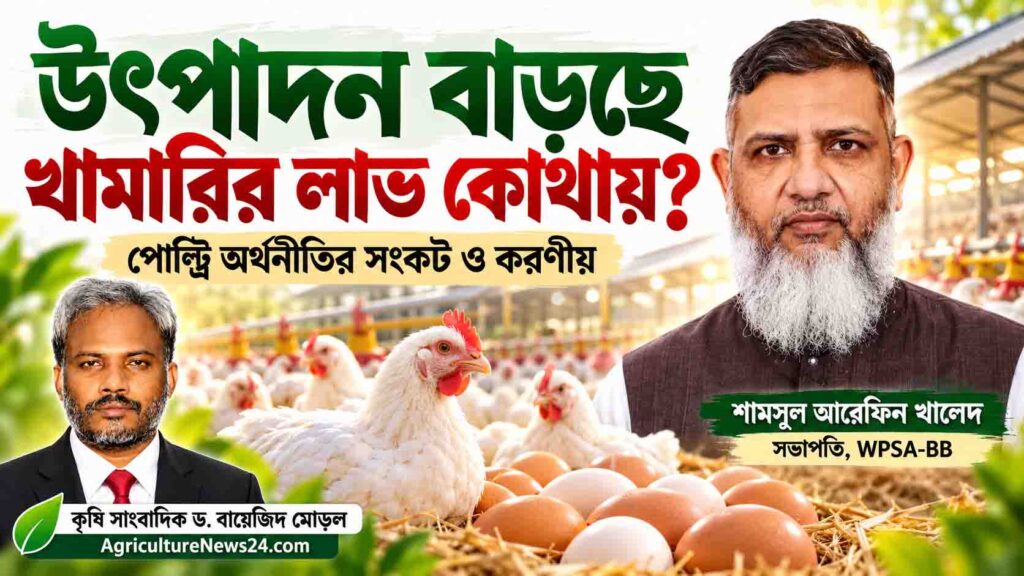
Egg and Chicken Production Is Rising—Are Farmers’ Profits Rising Too?
Production costs, market prices and farmers’ future raise important questions about poultry economics
A research-based report by agricultural journalist Dr. Bayezid Moral
Through field reporting during my 26 years in journalism, I have seen and learned that higher production does not always bring financial relief to farmers. A farm may have many chickens and produce a large number of eggs every day. But if the farmer cannot recover production costs by selling those eggs and chickens, the farm gradually becomes financially weaker.
To understand progress in the poultry sector, we must look beyond production figures. We need to examine how much farmers spend, the prices they receive and what remains after all expenses are paid.
This issue received particular attention in a presentation abstract from the international technical seminar organised by the World’s Poultry Science Association–Bangladesh Branch on 3 October. Shamsul Arefin Khaled, President of the association and Director of Khaled Group of Companies, addressed Bangladesh’s poultry economics: production costs, productivity, profits, risks and recommendations.
The central message of his presentation was clear: the poultry sector has increased production, but the problem of securing fair value for its products remains unresolved.
Why Do Farmers Lose Money Despite Good Production?
Farmers must spend money before they can sell eggs or chickens. They need to buy chicks, provide feed and employ workers. Electricity, veterinary care, disinfectants and transport add to their expenses. Many farmers borrow money to cover these costs.
Yet they cannot know with certainty what market prices will be when their products are ready for sale. Even when production costs rise, selling prices may not increase accordingly.
When chicken prices fall, farmers cannot simply stop selling. Keeping birds on the farm means paying for additional feed and other expenses every day. Eggs also cannot be stored indefinitely. Farmers may therefore have to sell at low prices.
This explains how a farm can achieve good production and still suffer financial losses.
The Presentation Highlighted Substantial Losses
According to the abstract of Shamsul Arefin Khaled’s presentation, Bangladesh’s poultry sector supports the livelihoods of approximately 8.5 million people.
It also stated that broiler breeder farms suffered estimated losses of Tk 1,706 crore—Tk 17.06 billion—between January 2025 and August 2026. Egg farmers reportedly recovered their production costs in only two months of 2026.
These figures are estimates presented by the speaker, rather than final official statistics. The abstract explains that they were based on selected sources, historical data and case studies.
Nevertheless, the estimates highlight an important concern. When farmers sell below production cost for extended periods, their capital declines and their debts grow. Eventually, they may have to reduce production or close their farms.
Production Must Be Aligned with Market Demand
A major challenge in poultry farming is insufficient coordination between production and market demand.
Encouraged by favourable prices, many farmers may start raising chickens at the same time. When those birds reach the market together, supply increases. If demand does not rise accordingly, prices fall.
Similarly, when losses lead farmers to reduce production, supply may later decline and prices may increase. These fluctuations create difficulties for both farmers and consumers.
The presentation proposed aligning chick supply with market demand. It also suggested annual growth limits of 10 percent for broilers and 5–10 percent for layers.
These rates are the speaker’s proposals, rather than government directives currently in force. Their central message is that production planning should be based on reliable information.
Regular information on chick production, the number of farms placing new batches and expected egg and chicken supplies would help farmers make better decisions.
Farmers Receive Less, Consumers Pay More—Where Does the Difference Go?
When farmers sell eggs or chickens at low prices, consumers do not always buy them cheaply. This makes it necessary to examine prices throughout the journey from farm to retail market.
Transport, labour, storage, shop operations and product losses all involve legitimate costs. These expenses must be recognised. However, the costs and profits added at each stage should be transparent.
The presentation raised concerns about profit margins shifting from producers to intermediate stages of the supply chain. Assessing this claim requires comparing farmgate, wholesale and retail prices over the same period.
Rather than holding all intermediaries equally responsible, evidence should identify where reasonable costs occur and where unjustified price increases may arise. This would help protect the interests of both farmers and consumers.
Coordinated Action Is Needed to Reduce Feed Costs
Feed costs have a major influence on a poultry farm’s profitability. Feed prices, quality and availability therefore deserve close attention.
The presentation proposed reviewing taxes and import duties on essential feed inputs, developing a coordinated feed policy and establishing feed-grain reserves.
If such measures are introduced, their benefits must reach farmers. Lower input costs will not achieve the intended result if farmers still cannot obtain good-quality feed at affordable prices.
At farm level, reducing feed waste, providing age-appropriate feed and maintaining production records are also necessary. However, broader market problems cannot be resolved by attributing them solely to weaknesses in farm management.
Why Are Affordable Credit and Insurance Necessary?
Poultry farms face risks from disease, mortality and falling market prices. A substantial loss in a single batch can make it difficult for a small farmer to restart production.
For this reason, the presentation emphasised affordable credit, insurance and fair compensation.
Loan repayment schedules should reflect farmers’ production and sales cycles. Insurance conditions should also be clear and accessible. Farmers need to understand which losses are covered and how compensation can be obtained.
Even when support is available, complicated paperwork may prevent small farmers from accessing it. A support system must be practical for the people it is intended to serve.
Strengthen Domestic Farms Before Entering Global Markets
The presentation discussed the prospect of taking Bangladesh’s poultry products into the international halal market. It emphasised investment in processed products, quality assurance, cold storage and refrigerated transport.
However, farmers who regularly lose money struggle to adopt new technology or improve production standards. Export preparation must therefore include strengthening the financial capacity of domestic farms.
Small and medium-sized farmers should share in this progress alongside large companies. They need access to training, market information, reliable inputs and sales opportunities.
Farmers’ Stability Is the Real Measure of Progress
From my experience in journalism, one important question helps reveal the condition of the poultry sector: can farmers afford to raise their next batch of chickens?
If selling a batch leaves them with more debt, less capital and greater uncertainty about restarting production, impressive national production figures offer little reassurance.
Progress in the poultry sector should therefore be assessed through farmers’ incomes, debt levels and ability to keep their farms operating, alongside production figures. This requires transparent markets, production aligned with demand, affordable financing and coordinated action among the institutions involved.
When farmers receive a fair income, they are better able to sustain production. Stable production, in turn, improves the prospect of affordable eggs and chicken for consumers. Both goals should receive equal attention in planning the future of Bangladesh’s poultry sector.
Source: International Technical Seminar of the World’s Poultry Science Association–Bangladesh Branch, 3 October 2026; the published abstract of Shamsul Arefin Khaled’s presentation on Bangladesh’s poultry economics.