
















উৎপাদন বেড়েছে, খামারির লাভ কোথায়? নিরাপদ পোল্ট্রি ও বিশ্ববাজারের প্রস্তুতি নিয়ে আন্তর্জাতিক সেমিনার।।
শুধু বেশি মুরগি ও ডিম উৎপাদন নয়—খামারির ন্যায্য আয়, নিরাপদ খাদ্য, পরিবেশবান্ধব ব্যবস্থাপনা এবং প্রমাণভিত্তিক রপ্তানি প্রস্তুতিতে জোর দিলেন আলোচকেরা।।
কৃষি সাংবাদিক ড. বায়েজিদ মোড়ল | সম্পাদক – AgricultureNews24.com

ঢাকা, ৩ অক্টোবর ২০২৬: খামারে মুরগির ওজন বাড়ছে, খাদ্য ব্যবহারের দক্ষতা বাড়ছে, দেশে ডিম ও মাংসের উৎপাদনও এগিয়ে যাচ্ছে। কিন্তু এত অগ্রগতির পরও খামারির মুখে কেন লোকসানের কথা? উৎপাদনের সাফল্য কেন অনেক খামারির সংসারে স্বস্তি আনতে পারছে না? ব্রয়লার মাংস নিয়ে ক্রেতার সংশয় কাটছে না কেন? আর বিশ্ববাজারে বাংলাদেশের পোল্ট্রি পণ্য পৌঁছানোর পথে বাধাগুলো কোথায়?
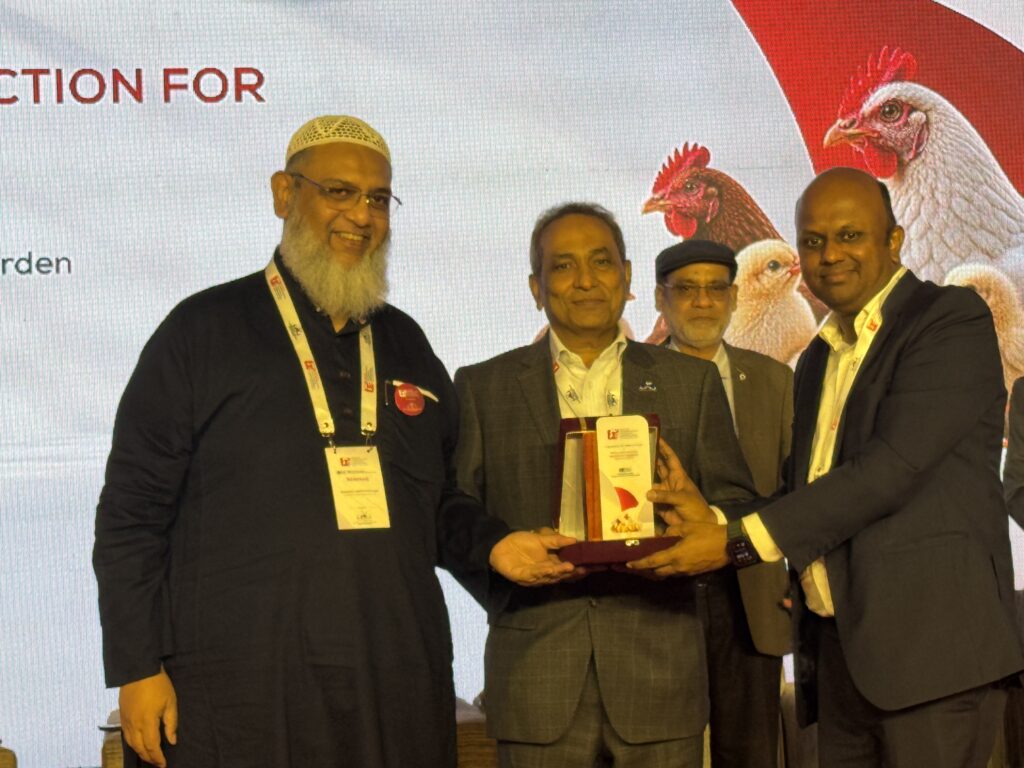
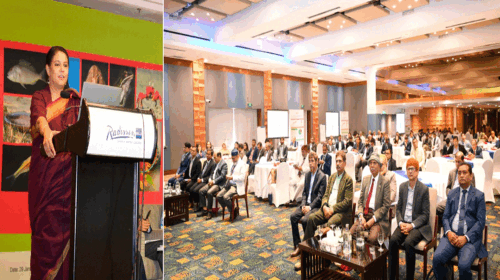
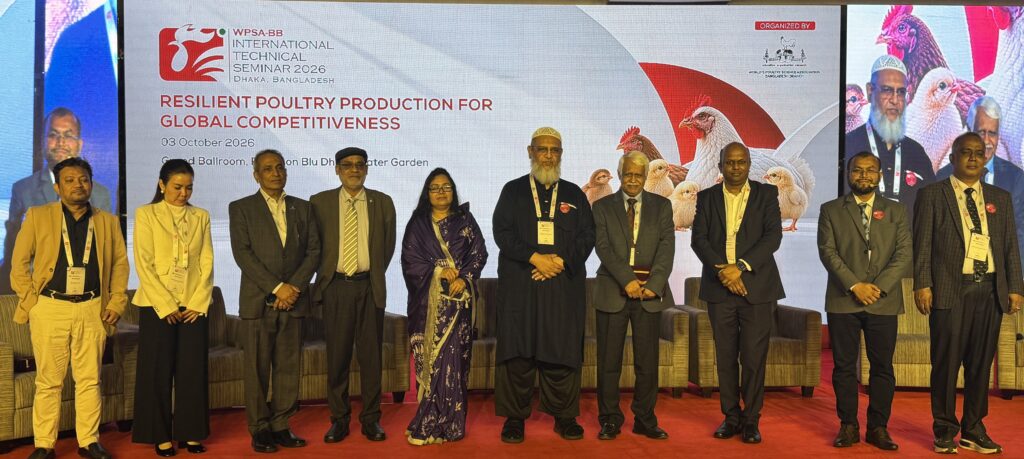
এসব প্রশ্নের উত্তর খুঁজতেই শনিবার, ৩ অক্টোবর ঢাকার র্যাডিসন ব্লু ওয়াটার গার্ডেন হোটেলের গ্র্যান্ড বলরুমে অনুষ্ঠিত হলো ওয়ার্ল্ডস পোল্ট্রি সায়েন্স অ্যাসোসিয়েশন-বাংলাদেশ শাখার আন্তর্জাতিক কারিগরি সেমিনার ২০২৬। আয়োজনের মূল প্রতিপাদ্য ছিল ‘বৈশ্বিক প্রতিযোগিতার জন্য সংকট মোকাবিলায় সক্ষম পোল্ট্রি উৎপাদন’।
অনুষ্ঠানে উপস্থিত থেকে আলোচকদের উপস্থাপনা শোনার সময় একটি বিষয় স্পষ্ট হয়ে ওঠে—বাংলাদেশের পোল্ট্রি খাত এখন এমন এক পর্যায়ে পৌঁছেছে, যেখানে উৎপাদনের পরিমাণের পাশাপাশি উৎপাদনের অর্থনৈতিক ফল, খাদ্যের নিরাপত্তা এবং বাজারের বিশ্বাসযোগ্যতাকে সমান গুরুত্ব দিতে হবে। খামারি লোকসান করলে, ক্রেতা আস্থা হারালে কিংবা রপ্তানির প্রয়োজনীয় মান পূরণ না হলে শুধু উৎপাদন বাড়িয়ে শিল্পের ভবিষ্যৎ সুরক্ষিত করা যাবে না।
তিনটি কারিগরি অধিবেশনে আটজন বক্তার আলোচনায় উঠে আসে পোল্ট্রি অর্থনীতি, খাদ্য রূপান্তর দক্ষতা, মাংসের মান, অ্যান্টিবায়োটিকের অবশিষ্টাংশ, আধুনিক খামার ব্যবস্থাপনা, হালাল রপ্তানি এবং আন্তর্জাতিক মান অনুসরণের বিষয়। দিনব্যাপী আলোচনার মধ্য দিয়ে খামার থেকে ভোক্তা এবং দেশীয় বাজার থেকে বিশ্ববাজার পর্যন্ত একটি সমন্বিত উন্নয়ন ভাবনা সামনে আসে।
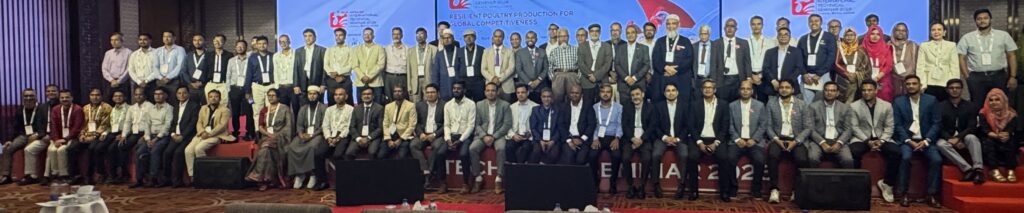
উদ্বোধনী পর্বে সরকার, গবেষণা ও শিল্পের প্রতিনিধিত্ব
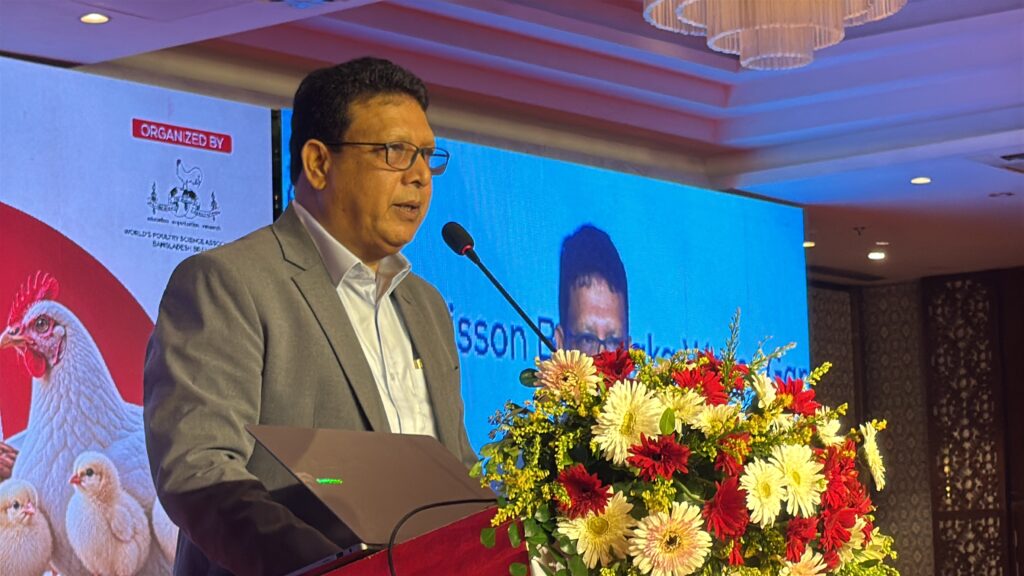
সেমিনারের উদ্বোধনী পর্বে প্রধান অতিথি ছিলেন প্রাণিসম্পদ অধিদপ্তরের দায়িত্বপ্রাপ্ত মহাপরিচালক মো. শাহজামান খান। বিশেষ অতিথি ছিলেন বাংলাদেশ পোল্ট্রি ইন্ডাস্ট্রিজ সেন্ট্রাল কাউন্সিলের সভাপতি মসিউর রহমান এবং বাংলাদেশ প্রাণিসম্পদ গবেষণা ইনস্টিটিউটের সাময়িক দায়িত্বপ্রাপ্ত মহাপরিচালক ড. শাকিলা ফারুক।
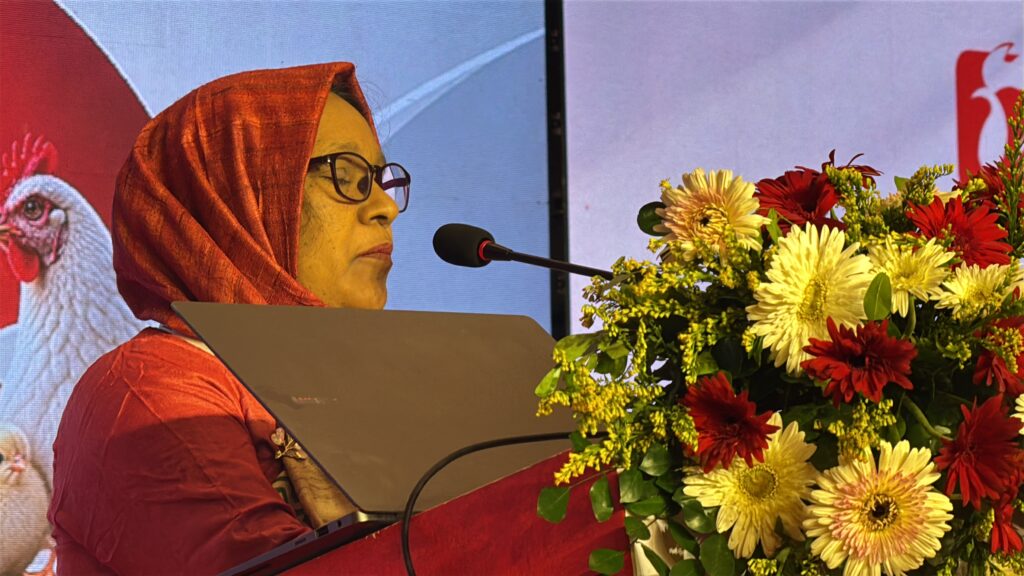
সভাপতিত্ব করেন ডব্লিউপিএসএ-বাংলাদেশ শাখার সভাপতি শামসুল আরেফিন খালেদ। স্বাগত বক্তব্য দেন সংগঠনের সাধারণ সম্পাদক মোহাম্মদ ফয়জুর রহমান।
নীতিনির্ধারণ, গবেষণা ও শিল্পের প্রতিনিধিদের উপস্থিতি আয়োজনটিকে গুরুত্বপূর্ণ করে তোলে। কারণ খামারের সমস্যা শুধু খামারের ভেতরে সীমাবদ্ধ নয়। বাচ্চার সরবরাহ, খাদ্যের দাম, রোগ নিয়ন্ত্রণ, বাজারের ওঠানামা, ঋণব্যবস্থা এবং পণ্য বিপণনের সঙ্গে বহু প্রতিষ্ঠানের সিদ্ধান্ত যুক্ত। এই বাস্তবতায় সেমিনারের আলোচনা প্রযুক্তিগত দক্ষতা বাড়ানোর পাশাপাশি পুরো খাতের কার্যপদ্ধতি পর্যালোচনার সুযোগ তৈরি করে।
প্রথম অধিবেশন: উৎপাদনের ভালো ফল লাভের নিশ্চয়তা দিচ্ছে কি?
প্রথম কারিগরি অধিবেশনের বিষয় ছিল ‘পোল্ট্রি অর্থনীতি ও উৎপাদন কার্যক্ষমতা’। অধিবেশনে সভাপতিত্ব করেন বাংলাদেশ কৃষি বিশ্ববিদ্যালয়ের ভেটেরিনারি অনুষদের ডিন অধ্যাপক ড. মো. বাহানুর রহমান। সহসভাপতি ছিলেন একই বিশ্ববিদ্যালয়ের পোল্ট্রি বিজ্ঞান বিভাগের অধ্যাপক ড. মো. ইলিয়াস হোসেন।
আলোচনা করেন ডব্লিউপিএসএ-বাংলাদেশ শাখার সভাপতি ও খালেদ গ্রুপ অব কোম্পানিজের পরিচালক শামসুল আরেফিন খালেদ; বাংলা-ইউকে অ্যাগ্রো প্রোডাক্টস লিমিটেডের পরিচালক ও প্রধান নির্বাহী কর্মকর্তা মো. জাহিদুল ইসলাম; এবং ডিএসএম-ফিরমেনিখের এশিয়া-প্রশান্ত মহাসাগরীয় অঞ্চলের অন্ত্রস্বাস্থ্য, নতুন সমাধান ও সেবাবিষয়ক আঞ্চলিক ব্যবস্থাপক কিতিমা জিন্দামংকন।
তিন বক্তার আলোচনায় খামারের উৎপাদন দক্ষতার সঙ্গে আয়, পণ্যের মান ও বাজারের চাহিদার সম্পর্ক উঠে আসে। তাঁদের বক্তব্য থেকে বোঝা যায়, উৎপাদনের একটি সূচক ভালো হলেও পুরো ব্যবসা লাভজনক নাও হতে পারে।
উৎপাদন বাড়লেও খামারির হাতে মূল্য পৌঁছাচ্ছে না
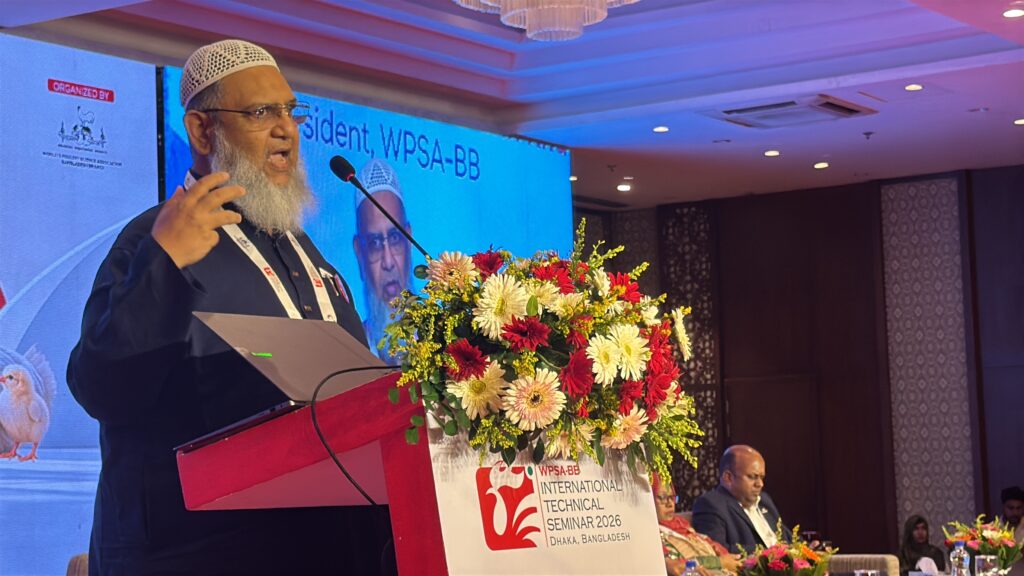
শামসুল আরেফিন খালেদ বাংলাদেশের পোল্ট্রি খাতের ব্যয়, উৎপাদনশীলতা, মুনাফা ও ঝুঁকি বিশ্লেষণ করেন। তিনি তুলে ধরেন, খাতটি উৎপাদনের পরিমাণ বৃদ্ধিতে উল্লেখযোগ্য অগ্রগতি অর্জন করলেও উৎপাদিত পণ্যের যথাযথ অর্থনৈতিক মূল্য পাওয়ার সমস্যা রয়ে গেছে।
তাঁর উপস্থাপনায় পোল্ট্রি খাতের সঙ্গে প্রায় ৮৫ লাখ মানুষের জীবিকা যুক্ত থাকার কথা উঠে আসে। এই বিশাল জনগোষ্ঠীর আয় ও কর্মসংস্থানের সঙ্গে সম্পর্কিত খাতটিতে উৎপাদকদের ধারাবাহিক লোকসান তাই শুধু ব্যবসায়িক সমস্যা নয়; এটি জীবিকা ও খাদ্য সরবরাহের স্থিতিশীলতার প্রশ্ন।
তিনি যে হিসাব তুলে ধরেন, তাতে ২০২৫ সালের জানুয়ারি থেকে ২০২৬ সালের আগস্ট পর্যন্ত ব্রয়লার ব্রিডার খামারগুলোর আনুমানিক লোকসান ১ হাজার ৭০৬ কোটি টাকা। তাঁর বিশ্লেষণ অনুযায়ী, ডিম উৎপাদনকারী খামারিরা ২০২৬ সালের মাত্র দুই মাসে উৎপাদন ব্যয় তুলতে পেরেছেন। নির্বাচিত প্রাথমিক ও মাধ্যমিক তথ্য, ঐতিহাসিক উপাত্ত এবং বিভিন্ন ঘটনার বিশ্লেষণের ভিত্তিতে তিনি এসব হিসাব উপস্থাপন করেন।
শামসুল আরেফিন খালেদের আলোচনায় চাহিদার সঙ্গে উৎপাদনের সমন্বয়হীনতা বিশেষ গুরুত্ব পায়। বাজারের প্রয়োজন বিবেচনা না করে বাচ্চা সরবরাহ ও উৎপাদন বাড়তে থাকলে দাম পড়ে যায়। তখন উৎপাদনের ঝুঁকি বহনকারী খামারিই বড় ক্ষতির মুখে পড়েন।
তিনি বাচ্চা সরবরাহকে চাহিদার সঙ্গে সামঞ্জস্য করার কথা বলেন। ব্রয়লারে বার্ষিক ১০ শতাংশ এবং লেয়ারে ৫–১০ শতাংশ উৎপাদন বৃদ্ধির সীমা প্রস্তাব করেন। এই প্রস্তাবের মূল উদ্দেশ্য ছিল বাজারের ধারণক্ষমতা বিবেচনায় নিয়ে পরিকল্পিত প্রবৃদ্ধির দিকে যাওয়া।
সহজ শর্তে ঋণ, বীমা, লোকসানের সময় ন্যায্য সহায়তা, প্রয়োজনীয় উপকরণের কর ও আমদানি শুল্ক পর্যালোচনা এবং প্রক্রিয়াজাতকরণে বিনিয়োগের বিষয়ও তাঁর আলোচনায় আসে। খাদ্যশস্যের মজুত, স্বচ্ছ বাজারতথ্য, ন্যায্য প্রতিযোগিতা এবং ছোট ও কার্যকর বিপণনব্যবস্থার ওপর তিনি গুরুত্ব দেন।
এই বক্তব্য খামারির অভিজ্ঞতার সঙ্গে সরাসরি সম্পর্কিত। খুচরা বাজারে দাম বেশি দেখালেই খামারি লাভে আছেন—এমন সিদ্ধান্ত দেওয়া যায় না। উৎপাদন ব্যয় কত, খামারি কত দামে বিক্রি করছেন এবং সরবরাহের বিভিন্ন ধাপে কত মূল্য যোগ হচ্ছে, সেই হিসাব একসঙ্গে দেখতে হবে।
কম খাদ্যে বেশি ওজন—তবু লাভ কম হতে পারে
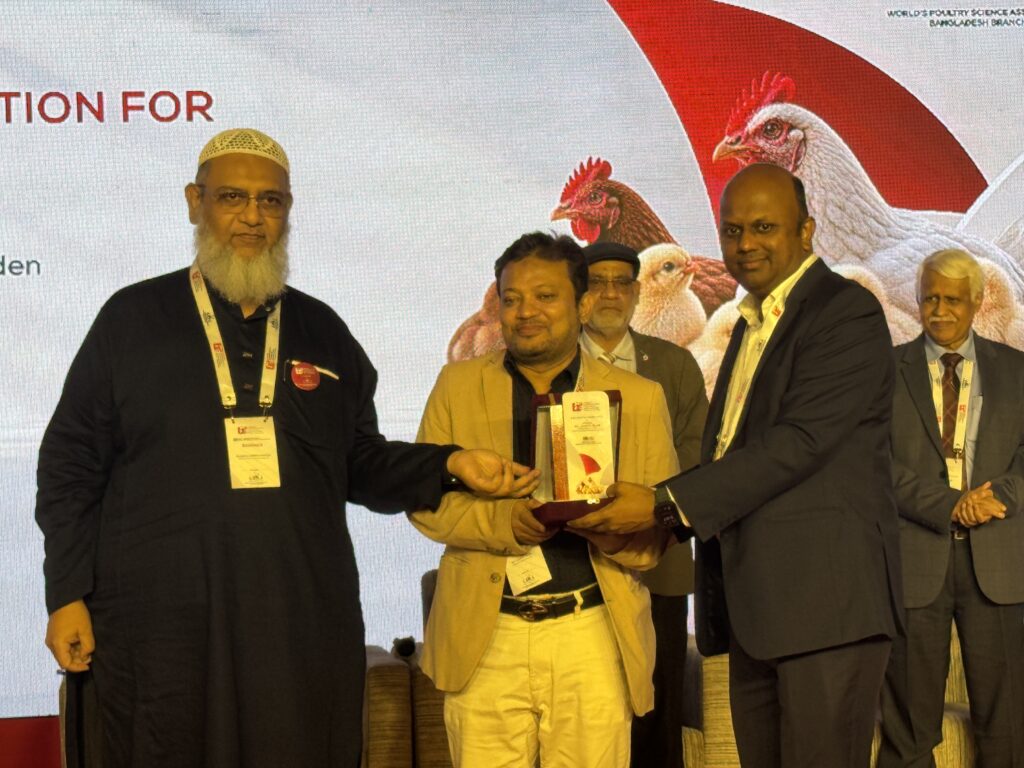
মো. জাহিদুল ইসলাম ব্রয়লার উৎপাদনের একটি গুরুত্বপূর্ণ বৈপরীত্য তুলে ধরেন। খাদ্য রূপান্তর হার কমানোকে খামারের সাফল্যের প্রধান সূচক হিসেবে দেখা হলেও সর্বনিম্ন খাদ্য রূপান্তর হার সব পরিস্থিতিতে সর্বোচ্চ লাভ দেয় না।
খাদ্য রূপান্তর হার বা এফসিআর হলো নির্দিষ্ট পরিমাণ ওজন বৃদ্ধির জন্য প্রয়োজনীয় খাদ্যের হিসাব। এই হার কম হলে খাদ্য ব্যবহারের দক্ষতা ভালো বোঝায়। কিন্তু খামারের আয় নির্ধারণে খাদ্যের পাশাপাশি বাচ্চার দাম, মৃত্যুহার, উৎপাদনচক্রের সময়, বিক্রয়যোগ্য ওজন এবং বাজারদামও ভূমিকা রাখে।
জাহিদুল ইসলামের উপস্থাপনায় উঠে আসে, প্রায় ২৫ বছরে বাংলাদেশের ব্রয়লার উৎপাদনে খাদ্য রূপান্তর হারের প্রায় ০.৫৫ পয়েন্ট উন্নতি হয়েছে। অগ্রসর খামারগুলোতে এফসিআর ১.৩০ থেকে ১.৪০-এর মধ্যে পাওয়া যাচ্ছে। অথচ সেই উন্নতির অনুপাতে খামারের লাভ এবং ব্রয়লার মাংসের প্রতি ভোক্তার আস্থা বাড়েনি।
চারটি উৎপাদন পরিস্থিতির বাণিজ্যিক ব্যয় বিশ্লেষণ করে তিনি দেখান, যথাযথ ওষুধ প্রত্যাহারকাল অনুসরণ করে প্রায় ৩৫ দিনে বাজারজাত করা, এফসিআর ১.৪০-এর মুরগি কোনো কোনো পরিস্থিতিতে ২৮ দিনে বাজারজাত করা, এফসিআর ১.৩০-এর মুরগির চেয়ে প্রতি শেডে বেশি নিট আয় দিতে পারে।
এর ব্যাখ্যায় বাড়তি ওজনের ওপর বাচ্চার স্থির ব্যয় ভাগ হয়ে যাওয়া এবং প্রক্রিয়াজাত মাংসের ফলন বৃদ্ধির বিষয় আসে। প্রায় ৩৫ দিনে ২.২৫–২.৩০ কেজি ওজন, শেষ সাত দিন উপযুক্ত ফিনিশার খাদ্য এবং প্রয়োজনীয় ওষুধ প্রত্যাহারকাল অনুসরণের একটি উৎপাদন মডেল তিনি তুলে ধরেন।
তবে খামারভেদে খাদ্যের দাম, আবহাওয়া, স্বাস্থ্য ও বাজারদামের পার্থক্য রয়েছে। ফলে এই মডেলের লাভজনকতা নিজস্ব হিসাব দিয়ে যাচাই করতে হবে। আলোচনার ব্যবহারিক শিক্ষা হলো, খামারিকে শুধু এফসিআরের হিসাব রাখলে চলবে না; প্রতিটি উৎপাদনচক্র শেষে প্রকৃত নিট আয়ও বের করতে হবে।
খামারের দক্ষতার সঙ্গে বাজারের মূল্য তৈরি করতে হবে
কিতিমা জিন্দামংকন এশিয়ার পোল্ট্রি শিল্পের অভিজ্ঞতা তুলে ধরে বাংলাদেশের পরবর্তী অগ্রগতির পথ নিয়ে আলোচনা করেন। তাঁর বক্তব্যে খাদ্য ব্যবহারের দক্ষতার সঙ্গে বংশগত বৈশিষ্ট্য, প্রয়োজনভিত্তিক পুষ্টি, স্বাস্থ্য, আবাসন ও ব্যবস্থাপনার সমন্বয় গুরুত্ব পায়।
তিনি দেখান, উন্নত উৎপাদন ফলাফল অর্জনের পাশাপাশি প্রক্রিয়াজাতকরণ, পণ্যের পরিচিতি, খাদ্যনিরাপত্তা এবং ভোক্তার চাহিদা বুঝতে হয়। খামারে ভালো মুরগি উৎপাদিত হলেও বাজারে সেই পণ্যের বাড়তি মূল্য তৈরি না হলে উৎপাদকের লাভ সীমিত থেকে যেতে পারে।
বাংলাদেশের ক্ষেত্রে সোনালি মুরগির মতো স্থানীয় শক্তিকে কাজে লাগানোর বিষয়টি তিনি সামনে আনেন। এশিয়ার ভালো অভিজ্ঞতার সঙ্গে দেশের খাদ্যাভ্যাস ও বাজারের চাহিদা মিলিয়ে নিজস্ব উৎপাদন মডেল গড়ে তোলার সুযোগ রয়েছে।
পণ্যের উৎস শনাক্ত করার ব্যবস্থাও তাঁর আলোচনায় গুরুত্ব পায়। কোন খামার থেকে মুরগি এসেছে, কী খাদ্য দেওয়া হয়েছে এবং উৎপাদনের বিভিন্ন পর্যায়ে কী ব্যবস্থাপনা অনুসরণ করা হয়েছে—এসব তথ্য সংরক্ষণ করলে সমস্যা শনাক্ত ও জবাবদিহি নিশ্চিত করা সহজ হয়।
দ্বিতীয় অধিবেশন: ব্রয়লার নিয়ে ভয়, পরীক্ষায় কী পাওয়া গেছে?
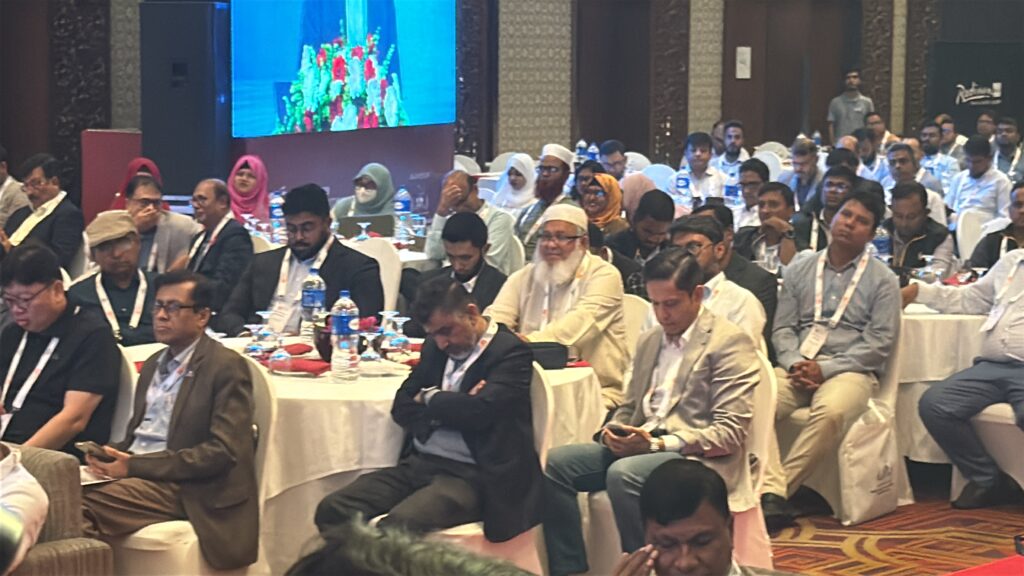
দ্বিতীয় কারিগরি অধিবেশনের বিষয় ছিল ‘নিরাপত্তা ও টেকসই উৎপাদন’। সভাপতিত্ব করেন কৃষি গবেষণা ফাউন্ডেশনের নির্বাহী পরিচালক ড. নাথু রাম সরকার। সহসভাপতি ছিলেন প্রাণিসম্পদ অধিদপ্তরের পরিচালক, উৎপাদন, ড. মো. মাহফুজার রহমান।
বাংলাদেশ কৃষি বিশ্ববিদ্যালয়ের প্যাথলজি বিভাগের অধ্যাপক ড. এমদাদুল হক চৌধুরী ব্রয়লার মাংসের নিরাপত্তা নিয়ে গবেষণার ফল তুলে ধরেন। তাঁর আলোচনায় ভোক্তার ধারণা এবং পরীক্ষাগারে শনাক্ত ঝুঁকিকে পৃথকভাবে দেখার প্রয়োজন স্পষ্ট হয়।
ব্রয়লার মাংস নিয়ে মানুষের উদ্বেগের মধ্যে রয়েছে বৃদ্ধিবর্ধক হরমোন, অ্যান্টিবায়োটিকের অবশিষ্টাংশ, ভারী ধাতু এবং প্রক্রিয়াজাতকরণের অপরিচ্ছন্নতা। দেশি মুরগির তুলনায় পুষ্টিমান কম—এমন ধারণাও রয়েছে।
উপস্থাপিত গবেষণায় ৬০ শতাংশের বেশি ভোক্তার দেশি মুরগি পছন্দ করার কথা উঠে আসে। তারপরও সহজলভ্যতা, তুলনামূলক কম দাম এবং শিশুদের পছন্দের কারণে অনেকে ব্রয়লার কিনছেন।
অধ্যাপক চৌধুরী জানান, পরীক্ষিত নমুনায় বৃদ্ধিবর্ধক হরমোন পাওয়া যায়নি। তবে অক্সিটেট্রাসাইক্লিন ও সিপ্রোফ্লক্সাসিনের অবশিষ্টাংশ শনাক্ত হয়েছে। অর্থাৎ মানুষের সব আশঙ্কা পরীক্ষায় সমর্থিত না হলেও অ্যান্টিবায়োটিক ব্যবহার ও প্রত্যাহারকাল নিয়ে বাস্তব উদ্বেগ রয়েছে।
এই ফলকে দেশের সব ব্রয়লার মাংসের অভিন্ন অবস্থা হিসেবে দেখা ঠিক হবে না। তবে নিয়মিত নমুনা পরীক্ষা এবং সমস্যার উৎস অনুসন্ধানের প্রয়োজন এতে স্পষ্ট হয়। গবেষণায় খুচরা পর্যায়ে খাঁচায় রাখা মুরগিতে ওষুধ ব্যবহার, ছোট খামার ও স্থানীয়ভাবে প্রস্তুত খাদ্যকে সম্ভাব্য উৎস হিসেবে চিহ্নিত করা হয়েছে।
তিনি দায়িত্বশীল ওষুধ ব্যবহার, পরীক্ষাগারভিত্তিক যাচাই, উৎস শনাক্তকরণ এবং খামার থেকে জীবন্ত মুরগির বাজার পর্যন্ত নজরদারির ওপর গুরুত্ব দেন। ভোক্তার ভুল ধারণা দূর করার পাশাপাশি শনাক্ত সমস্যার সংশোধনও জরুরি। নিরাপত্তার দাবিকে পরীক্ষার ফল ও কার্যকর ব্যবস্থাপনা দিয়ে বিশ্বাসযোগ্য করতে হবে।
খামারের বর্জ্যও অর্থনৈতিক সম্পদ হতে পারে
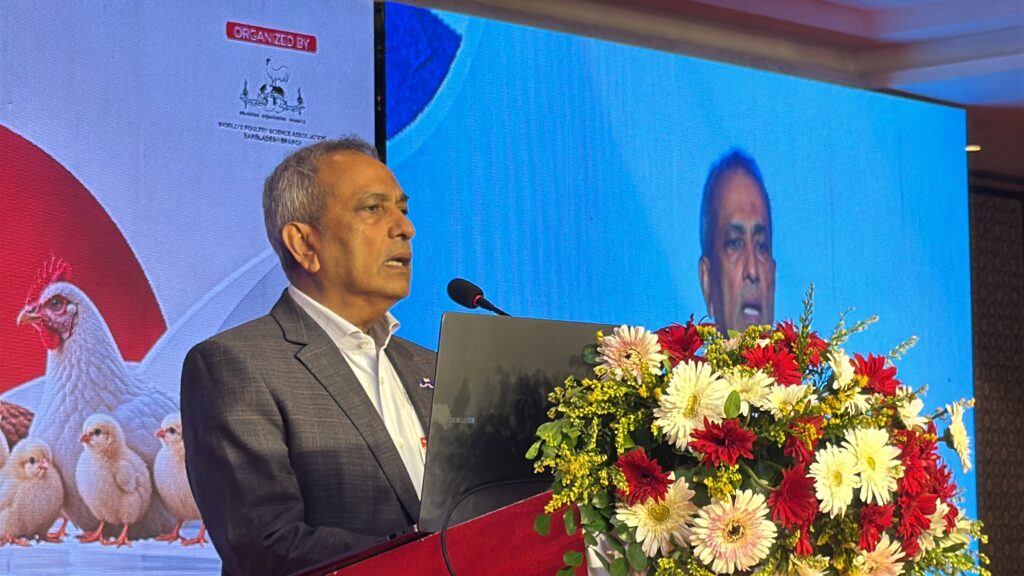
প্যারাগন গ্রুপের ব্যবস্থাপনা পরিচালক ও বিপিআইসিসির সভাপতি মসিউর রহমান আলোচনা করেন কার্বন নিঃসরণ থেকে আধুনিক পোল্ট্রি খামার ব্যবস্থাপনায় উত্তরণ নিয়ে।
তিনি সীমিত জমি ও সম্পদের মধ্যে ভবিষ্যতের চাহিদা পূরণের প্রশ্ন সামনে আনেন। জনসংখ্যা, আয় ও আমিষের প্রয়োজন সম্পর্কে সচেতনতা বাড়লে ডিম ও মাংসের চাহিদা বাড়বে। সেই চাহিদা পূরণে শুধু খামারের সংখ্যা কিংবা আয়তন বাড়ানো যথেষ্ট হবে না।
তাঁর আলোচনায় কম অপচয়, কম জ্বালানি ব্যবহার এবং কম পরিবেশগত প্রভাব রেখে কার্যকর উৎপাদনের ওপর জোর দেওয়া হয়। বর্জ্য ও জ্বালানিকে অর্থনৈতিক সম্পদে রূপান্তরের সম্ভাবনাও তিনি তুলে ধরেন।
সমাধান খামারের আকার অনুযায়ী প্রয়োগযোগ্য হওয়া প্রয়োজন বলে তিনি উল্লেখ করেন। বড় প্রতিষ্ঠানের প্রযুক্তি ছোট খামারে একইভাবে বসানো সব সময় সম্ভব নয়। বিনিয়োগের আগে প্রয়োজন, পরিচালন ব্যয় এবং সম্ভাব্য সাশ্রয় বিবেচনা করতে হবে।
এই আলোচনা মনে করিয়ে দেয়, পরিবেশ ব্যবস্থাপনা খামারের লাভের হিসাবের বাইরের বিষয় নয়। অপচয় কমানো, পরিচ্ছন্নতা বজায় রাখা এবং সম্পদের কার্যকর ব্যবহার উৎপাদনের স্থায়িত্বের সঙ্গে সরাসরি সম্পর্কিত।
তৃতীয় অধিবেশন: হালাল সনদের সঙ্গে স্বাস্থ্যগত গ্রহণযোগ্যতাও চাই
তৃতীয় অধিবেশনের বিষয় ছিল ‘মান প্রতিপালন ও বৈশ্বিক বাজারে অবস্থান’। সভাপতিত্ব করেন বাংলাদেশ কৃষি বিশ্ববিদ্যালয়ের প্রাণিবিজ্ঞান বিভাগের অধ্যাপক ড. মো. আবুল হাশেম। সহসভাপতি ছিলেন বাংলাদেশ প্রাণিসম্পদ গবেষণা ইনস্টিটিউটের প্রধান বৈজ্ঞানিক কর্মকর্তা ড. মোহাম্মদ আবদুস সামাদ।
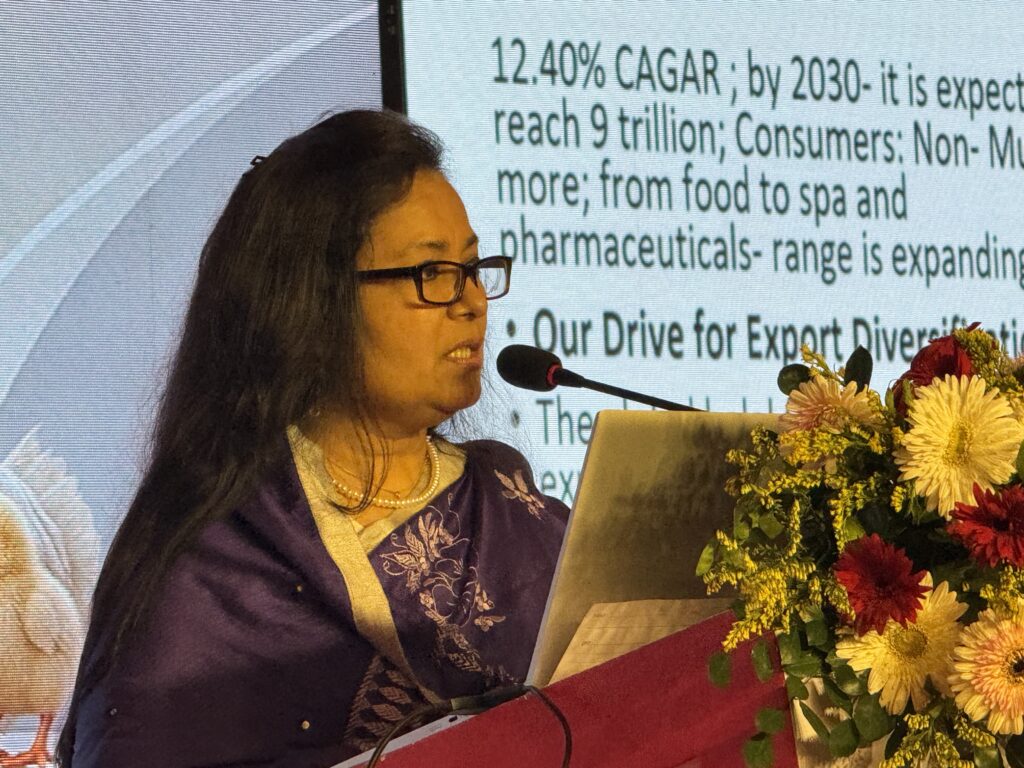
মৎস্য ও প্রাণিসম্পদ মন্ত্রণালয়ের যুগ্ম সচিব এবং আন্তর্জাতিক সংস্থা ও সহযোগিতা অনুবিভাগের প্রধান বেবী রানী কর্মকার হালাল পোল্ট্রি রপ্তানির সুযোগ নিয়ে আলোচনা করেন।
তিনি তুলে ধরেন, ক্রমবর্ধমান হালাল বাজারে বাংলাদেশের সম্ভাবনা রয়েছে। তবে উৎপাদন সক্ষমতাকে রপ্তানি আয়ে রূপান্তর করতে বাজার প্রচার, সনদায়ন এবং সরকার-শিল্প অংশীদারত্বকে সমন্বিত জাতীয় পরিকল্পনায় আনতে হবে।
কোন বাজারে কোন পণ্য পাঠানো হবে, কী মান পূরণ করতে হবে এবং সংশ্লিষ্ট প্রতিষ্ঠানগুলোর দায়িত্ব কী—এসব স্পষ্ট করা প্রয়োজন। রপ্তানির প্রচার এবং প্রয়োজনীয় শর্ত পূরণের প্রস্তুতি পাশাপাশি এগোলেই সম্ভাবনা বাস্তব ব্যবসায় পরিণত হতে পারে।
রপ্তানির দরজা খুলতে দাবির সঙ্গে প্রমাণ থাকতে হবে
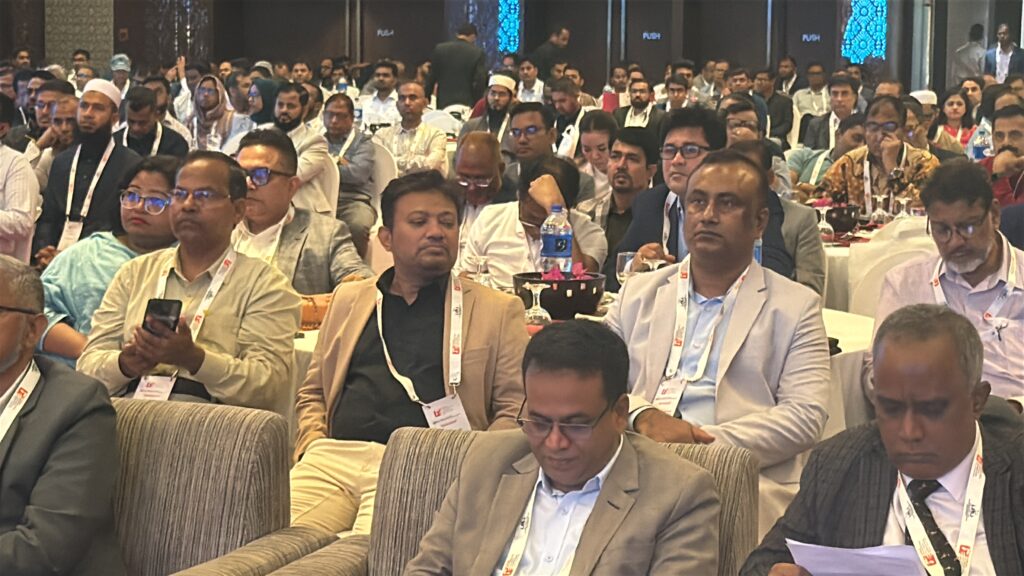
বাংলাদেশ কৃষি বিশ্ববিদ্যালয়ের ফার্মাকোলজি বিভাগের অধ্যাপক ড. মো. মাহমুদুল হাসান সিকদার পোল্ট্রি রপ্তানিতে উচ্চ রোগসৃষ্টিকারী এভিয়ান ইনফ্লুয়েঞ্জার বাধা এবং তা মোকাবিলার পথ ব্যাখ্যা করেন।
তাঁর আলোচনার গুরুত্বপূর্ণ বিষয় ছিল, প্রতিটি পোল্ট্রি রপ্তানির আগে আমদানিকারক দেশের প্রাণিস্বাস্থ্য কর্তৃপক্ষের স্বাস্থ্যগত গ্রহণযোগ্যতা প্রয়োজন। হালাল বাজারে হালাল নিশ্চয়তা এর সঙ্গে যুক্ত অতিরিক্ত শর্ত।
তিনি ব্যাখ্যা করেন, তাজা মাংস, জীবন্ত পোল্ট্রি এবং নির্ধারিত প্রক্রিয়ায় ভাইরাস নিষ্ক্রিয় করা পণ্যের রপ্তানিপথ এক নয়। পণ্য ও বাজারভেদে প্রয়োজনীয় প্রমাণ আলাদা। ফলে সব পণ্যের জন্য এক ধরনের অনুমোদনের ধারণা বাস্তবসম্মত নয়।
রপ্তানিমুখী পৃথক উৎপাদনব্যবস্থা বা ‘কম্পার্টমেন্ট’-এর সম্ভাবনাও তাঁর আলোচনায় আসে। এর মাধ্যমে নির্দিষ্ট উৎপাদনশৃঙ্খলে জীবাণুনিরাপত্তা ও নজরদারি নিশ্চিত করে স্বাস্থ্যগত অবস্থার প্রমাণ তৈরি করা যায়। তবে তা আমদানিকারক কর্তৃপক্ষের গ্রহণযোগ্য হতে হবে।
টিকা দেওয়া কিংবা শুধু নেতিবাচক পরীক্ষার ফল যথেষ্ট নয় বলে তিনি উল্লেখ করেন। ধাপে ধাপে একটি পণ্য, একটি বাজার এবং নিরীক্ষাযোগ্য একটি রপ্তানি সরবরাহব্যবস্থা নিয়ে এগোনোর প্রস্তাব দেন।
সুস্থ খামারই বিশ্বাসযোগ্য বাণিজ্যের ভিত্তি
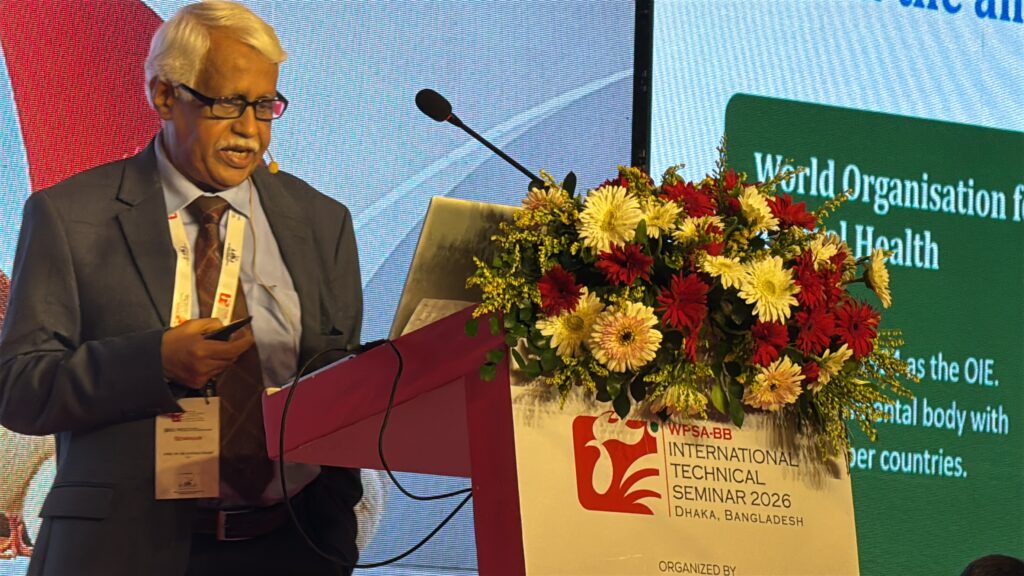
বাংলাদেশ কৃষি বিশ্ববিদ্যালয়ের সাবেক প্যাথলজি অধ্যাপক এবং জাতিসংঘের খাদ্য ও কৃষি সংস্থার জ্যেষ্ঠ কারিগরি নীতি বিশেষজ্ঞ, ওয়ান হেলথ, অধ্যাপক ড. মো. রফিকুল ইসলাম আলোচনা করেন মান নির্ধারণ ও প্রতিপালন পর্যবেক্ষণ নিয়ে।
তিনি নিরাপদ, উৎস শনাক্তযোগ্য ও যথাযথ সনদযুক্ত পণ্যকে আন্তর্জাতিক বাজারে প্রবেশের গুরুত্বপূর্ণ ভিত্তি হিসেবে তুলে ধরেন। জাতীয় মানকে আন্তর্জাতিক প্রাণিস্বাস্থ্য, খাদ্যনিরাপত্তা ও বাণিজ্য কাঠামোর সঙ্গে সামঞ্জস্যপূর্ণ করার ওপর জোর দেন।
মান কার্যকর করতে দক্ষ পরিদর্শক, নির্দিষ্ট কার্যপদ্ধতি, ডিজিটাল উপকরণ, নির্ভরযোগ্য তথ্যভান্ডার এবং সনদায়নব্যবস্থার প্রয়োজন রয়েছে। এই দায়িত্বে খামারি, উদ্যোক্তা, কারিগরি পেশাজীবী ও নিয়ন্ত্রক সংস্থাকে যুক্ত হতে হবে।
তাঁর আলোচনায় রোগ প্রতিরোধের অর্থনৈতিক গুরুত্বও উঠে আসে। সুস্থ খামার উৎপাদনের ক্ষতি কমায়; আর মান অনুসরণের নথি বাজারে বিশ্বাস তৈরি করে। তাই মান প্রতিপালন খামারের স্থায়িত্ব ও বাজার সম্প্রসারণের বিনিয়োগ।
সেমিনারের বার্তা মাঠে পৌঁছাবে কীভাবে?
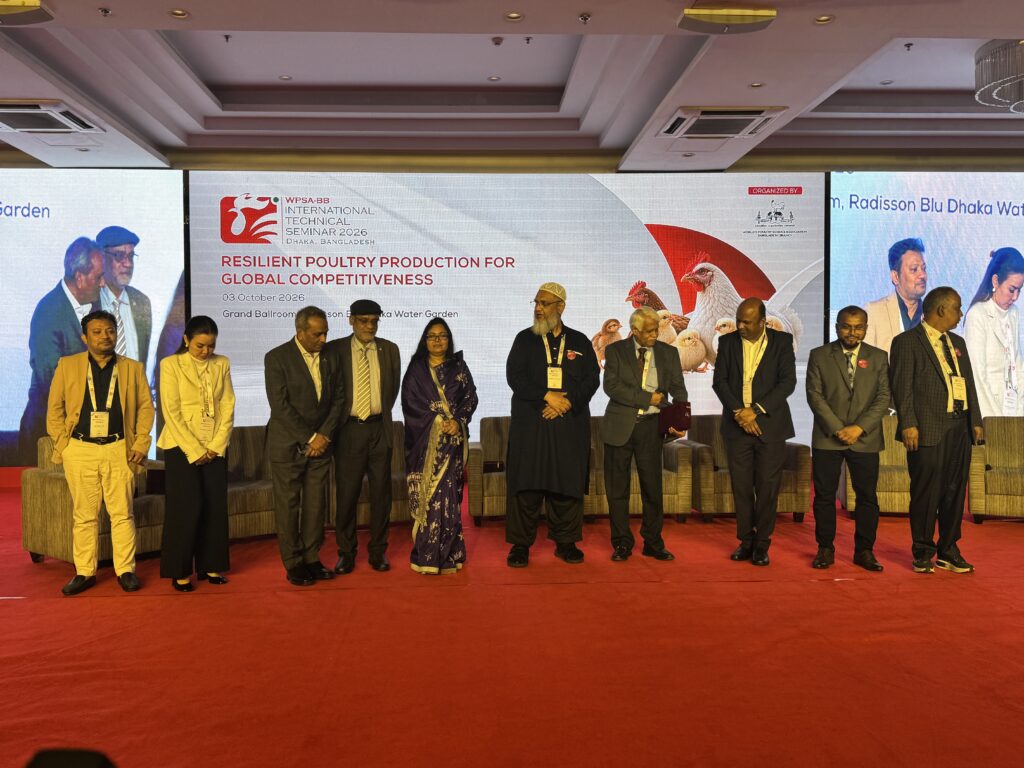
সাধারণ আলোচনা ও প্রশ্নোত্তর পর্বে বাংলাদেশের পোল্ট্রি খাতকে প্রতিযোগিতাসক্ষম, নিরাপদ ও টেকসই করার বিষয় সামনে আসে। এ পর্বের সঞ্চালনায় ছিলেন অধ্যাপক ড. মো. মাহমুদুল হাসান সিকদার। সমাপনী পর্বে শামসুল আরেফিন খালেদ এবং কারিগরি উপকমিটির আহ্বায়ক অধ্যাপক ড. মো. শওকত আলী বক্তব্য দেন।
দিনব্যাপী আলোচনা শুনে বোঝা যায়, খাতটির উন্নয়নে কয়েকটি কাজ একসঙ্গে এগিয়ে নিতে হবে। বাজারের চাহিদার সঙ্গে উৎপাদন পরিকল্পনা মেলাতে হবে। খামারের সাফল্য যাচাই করতে হবে নিট আয় দিয়ে। খাদ্যনিরাপত্তার জন্য পরীক্ষা, নজরদারি ও উৎস শনাক্তকরণ বাড়াতে হবে। রপ্তানির প্রস্তুতিতে তৈরি করতে হবে গ্রহণযোগ্য স্বাস্থ্যগত প্রমাণ।
এসব উদ্যোগে ক্ষুদ্র ও মাঝারি খামারির অংশগ্রহণ নিশ্চিত করা বিশেষভাবে প্রয়োজন। তাঁদের কাছে সহজ হিসাবরক্ষণ, ব্যবহারযোগ্য মান নির্দেশনা, রোগ প্রতিরোধের সহায়তা এবং বাজারতথ্য পৌঁছাতে হবে। প্রযুক্তি ও নীতির সুফল মাঠে না পৌঁছালে শিল্পের বড় অর্জনের মধ্যেও খামারির সংকট থেকে যাবে।
বাংলাদেশের পোল্ট্রি খাত মানুষের সাশ্রয়ী আমিষের গুরুত্বপূর্ণ উৎস। এই খাতের ভবিষ্যৎ শক্তিশালী হবে তখনই, যখন উৎপাদনের অগ্রগতি খামারির ন্যায্য আয় নিশ্চিত করবে, ক্রেতা নিরাপদ খাদ্যের আস্থা পাবেন এবং দেশের পণ্য আন্তর্জাতিক বাজারে গ্রহণযোগ্যতা অর্জন করবে। ঢাকার এই সেমিনারে আলোচকেরা সেই লক্ষ্য অর্জনের প্রযুক্তিগত, অর্থনৈতিক ও নীতিগত পথগুলো সামনে তুলে ধরেছেন।

Production Is Rising—Why Are Poultry Farmers Still Losing Money?
International seminar in Dhaka highlights farm profitability, food safety, sustainable production and the evidence needed to enter global markets
A research-based report by agricultural journalist Dr. Bayezid Moral
Dhaka, 3 October 2026: Chickens are gaining weight more efficiently, feed conversion is improving, and Bangladesh’s egg and poultry meat production is advancing. Yet why are so many farmers still reporting losses? Why are improvements in production failing to bring financial stability to their households? Why do consumers remain concerned about broiler meat? And what stands between Bangladesh’s poultry industry and international markets?
These questions were central to the International Technical Seminar 2026, organised by the World’s Poultry Science Association–Bangladesh Branch (WPSA-BB) on Saturday, 3 October, at the Grand Ballroom of the Radisson Blu Water Garden Hotel in Dhaka.
The seminar’s theme was “Resilient Poultry Production for Global Competitiveness.”
Attending the event and listening to the presentations made one point clear: Bangladesh’s poultry industry has reached a stage where production volume must be considered alongside financial returns, food safety and market credibility. Increasing output alone cannot secure the industry’s future if farmers continue to lose money, consumers lack confidence, or products fail to meet export requirements.
Across three technical sessions, eight speakers examined poultry economics, feed conversion efficiency, meat quality, antibiotic residues, smart farming, halal exports and compliance with international standards. Together, their presentations connected the challenges inside poultry farms with those facing consumers, domestic markets and international trade.
Government, Research and Industry Represented at the Opening
Md. Shahjaman Khan, Director General (In-charge) of the Department of Livestock Services, attended the opening session as chief guest.
The special guests were Moshiur Rahman, President of the Bangladesh Poultry Industries Central Council, and Dr. Shakila Faruque, Director General (Temporary Charge) of the Bangladesh Livestock Research Institute.
Shamsul Arefin Khaled, President of WPSA-BB, chaired the opening session. Mohammad Fayzur Rahman, General Secretary of WPSA-BB, delivered the welcome address.
The participation of government officials, researchers and industry representatives gave the event particular relevance. Farm-level problems extend beyond the farm itself. Chick supply, feed prices, disease control, market volatility, access to credit and product distribution are influenced by decisions across several institutions.
The seminar therefore provided an opportunity to examine the wider poultry system alongside the technical improvements needed on individual farms.
First Session: Does Better Production Performance Guarantee Profit?
The first technical session focused on “Poultry Economics and Production Performance.”
It was chaired by Professor Dr. Md. Bahanur Rahman, Dean of the Faculty of Veterinary Science at Bangladesh Agricultural University. Professor Dr. Md. Elias Hossain of the university’s Department of Poultry Science served as co-chair.
The speakers were Shamsul Arefin Khaled, President of WPSA-BB and Director of Khaled Group of Companies; Md. Zahidul Islam, Director and Chief Executive Officer of Bangla-UK Agro Products Ltd.; and Kitima Jindamongkon, Regional Manager for Gut Health, New Solutions and Services at dsm-firmenich APAC.
Their presentations examined the relationship between production efficiency, farm income, product quality and market demand. A strong result in one production indicator, they explained, does not necessarily mean the overall business is profitable.
More Production, but Insufficient Value for Farmers
Shamsul Arefin Khaled analysed costs, productivity, profitability and risks in Bangladesh’s poultry industry. He explained that the sector had made substantial progress in expanding production, while difficulties remained in securing adequate economic value from that output.
His presentation noted that poultry supports the livelihoods of approximately 8.5 million people. Persistent losses among producers are therefore more than a business concern: they affect livelihoods and the stability of the food supply.
According to the estimates he presented, broiler breeder farms incurred approximately Tk 1,706 crore in losses between January 2025 and August 2026. His analysis also indicated that egg farmers covered their production costs in only two months of 2026. He presented these estimates using selected primary and secondary sources, historical data and case studies.
A major concern in his discussion was the lack of coordination between production and demand. When chick supply and farm output expand without sufficient consideration of market needs, prices can fall sharply. Farmers, who bear the production risks, then face substantial losses.
He recommended aligning chick supply with demand and proposed annual growth limits of 10 per cent for broilers and 5–10 per cent for layers. The purpose was to encourage planned growth that reflects the market’s capacity to absorb production.
His recommendations also included affordable credit, farm insurance, fair support during periods of loss, a review of taxes and import duties on essential inputs, and investment in processing.
Feed-grain reserves, transparent market information, fair competition and shorter, more effective distribution channels also featured in his presentation.
These issues closely reflect farmers’ everyday experience. High retail prices do not automatically mean that farmers are earning a profit. Production costs, farm-gate prices and the value added at different stages of distribution must be examined together.
Better Feed Conversion Can Still Produce Lower Returns
Md. Zahidul Islam highlighted an important paradox in broiler production: achieving the lowest feed conversion ratio does not necessarily deliver the highest profit.
The feed conversion ratio, or FCR, measures how much feed is required to produce a given amount of weight gain. A lower ratio generally indicates better feed efficiency. However, farm income also depends on chick prices, mortality, production-cycle length, saleable weight and market prices.
His presentation indicated that Bangladesh’s broiler industry had improved feed conversion by approximately 0.55 points over 25 years. Leading farms now report FCR figures between 1.30 and 1.40. Yet profitability and consumer confidence in broiler meat have not improved proportionately.
Using a commercial cost analysis of four production scenarios, he showed that a bird marketed at around 35 days, with an FCR of 1.40 and compliance with the required medicine withdrawal period, could—in some circumstances—generate a higher net return per shed than a bird marketed at 28 days with an FCR of 1.30.
The additional weight can spread the fixed cost of the chick across more kilograms of output. A heavier bird may also improve processing yield.
He outlined a production model involving a market age of approximately 35 days, a weight of 2.25–2.30 kilograms, suitable finisher feed during the final seven days, and compliance with the required medicine withdrawal period.
Feed prices, weather, flock health and market conditions vary between farms. The profitability of such a model must therefore be checked against each farm’s own figures.
The practical lesson was clear: farmers need to calculate actual net income at the end of every production cycle alongside monitoring FCR.
Creating Market Value Alongside Farm Efficiency
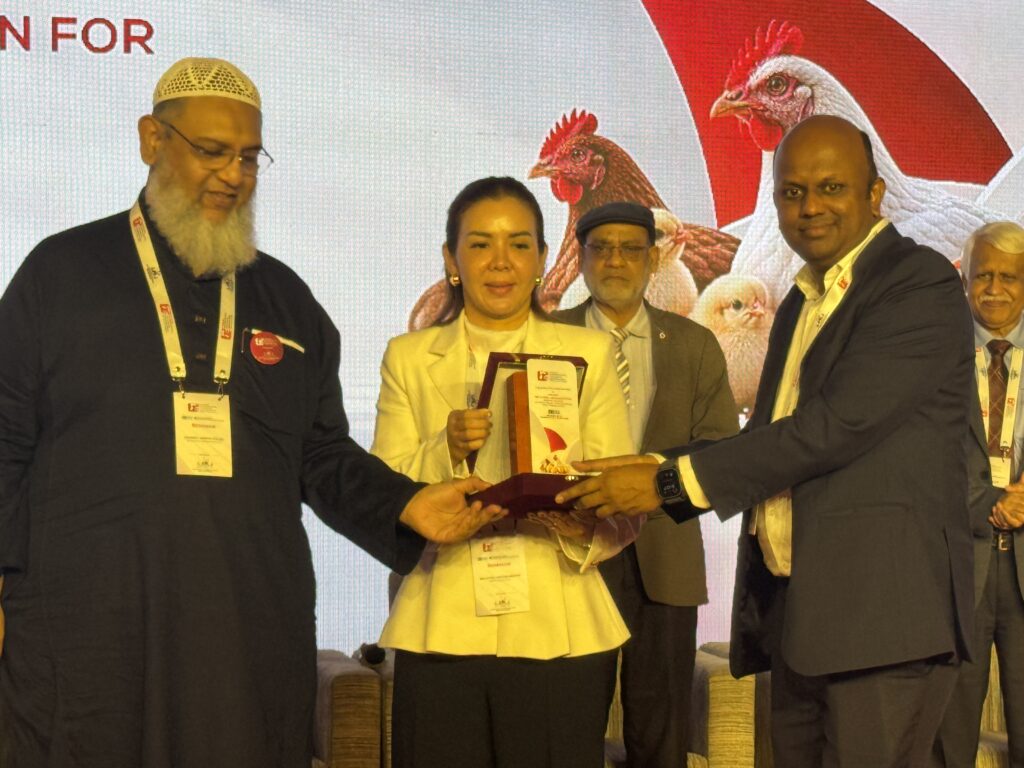
Kitima Jindamongkon discussed Bangladesh’s next phase of poultry development using lessons from Asian poultry markets.
She emphasised the need to combine feed efficiency with genetics, precision nutrition, health, housing and management.
Her presentation showed that better production performance must be supported by processing, branding, food safety and an understanding of consumer demand. Even when farms produce good-quality chickens, farmers may receive limited returns if the market does not recognise or reward that value.
She identified local strengths, including Sonali chicken, as opportunities for Bangladesh. The country can combine effective Asian practices with its own food preferences and market conditions to develop a suitable production model.
Traceability also featured prominently in her discussion. Records showing where birds were raised, what they were fed and how they were managed can help identify problems and establish accountability throughout the production chain.
Second Session: Consumer Fears and Laboratory Findings
The second technical session addressed “Safety and Sustainability.”
Dr. Nathu Ram Sarker, Executive Director of the Krishi Gobeshona Foundation, chaired the session. Dr. Md. Mahfuzar Rahman, Director of Production at the Department of Livestock Services, served as co-chair.
Professor Dr. Emdadul Haque Chowdhury of the Department of Pathology at Bangladesh Agricultural University presented research on broiler meat safety.
His discussion highlighted the importance of distinguishing consumer perceptions from risks identified through laboratory testing.
Consumers’ concerns include growth hormones, antibiotic residues, heavy metals and unhygienic processing. Some also believe that broiler meat has a lower nutritional value than indigenous chicken.
The research presented at the seminar indicated that more than 60 per cent of consumers preferred indigenous chicken. Nevertheless, many continued to purchase broilers because they were readily available, less expensive and preferred by children.
Professor Chowdhury reported that no growth hormones were detected in the tested samples. However, oxytetracycline and ciprofloxacin residues were detected.
These findings suggest that, although testing did not support every consumer concern, antimicrobial use and compliance with withdrawal periods require attention.
The findings should not be treated as a uniform assessment of all broiler meat in Bangladesh. They nevertheless demonstrate the importance of routine sampling and investigation into possible sources of contamination.
The study identified antimicrobial use during retailer-level caging, small farms and locally prepared feed as possible sources.
Professor Chowdhury emphasised responsible medicine use, laboratory verification, traceability and surveillance extending from farms to live-bird markets.
Correcting misconceptions must go hand in hand with addressing identified problems. Food safety claims need to be supported by testing and effective management.
Farm Waste Can Become an Economic Resource
Moshiur Rahman, Managing Director of Paragon Group and President of BPICC, discussed the transition from carbon emissions to smart poultry farming.
He raised the challenge of meeting future demand within limited land and resource availability. As population, income and awareness of protein requirements increase, demand for eggs and poultry meat will grow.
Expanding farm numbers or physical area alone will not be sufficient to meet that demand sustainably.
His presentation emphasised efficient production with less waste, lower energy use and reduced environmental impact. He also highlighted opportunities to turn waste and energy into economic resources.
Solutions, he explained, must be appropriate to farm size. Technologies used by large businesses cannot always be applied in the same way on small farms. Investment decisions must consider actual needs, operating costs and likely savings.
The discussion reinforced the connection between environmental management and profitability. Reducing waste, maintaining hygiene and using resources efficiently can directly support the long-term viability of poultry production.
Third Session: Halal Certification and Veterinary Acceptance Must Work Together
The third technical session focused on “Compliance and Global Market Positioning.”
Professor Dr. Md. Abul Hashem of the Department of Animal Science at Bangladesh Agricultural University chaired the session. Dr. Mohammed Abdus Samad, Principal Scientific Officer at the Bangladesh Livestock Research Institute, served as co-chair.
Baby Rani Karmakar, Joint Secretary and Head of the International Organisations and Cooperation Wing at the Ministry of Fisheries and Livestock, discussed opportunities for halal poultry exports.
She explained that Bangladesh has potential in the expanding halal market. Turning production capacity into export earnings, however, requires a coordinated national approach linking market promotion, certification and government–industry partnerships.
Target markets, product categories, applicable standards and institutional responsibilities need to be clearly identified. Export promotion and compliance preparations must advance together if market opportunities are to become viable business.
Export Claims Must Be Supported by Evidence
Professor Dr. Md. Mahmudul Hasan Sikder of the Department of Pharmacology at Bangladesh Agricultural University explained the barriers posed by highly pathogenic avian influenza, or HPAI, and the possible pathways for poultry exports.
A central point in his presentation was that sanitary acceptance by the importing country’s veterinary authority is a prerequisite for every poultry export. Halal assurance is an additional requirement for halal markets.
He explained that fresh meat, live poultry and products subjected to specified virus-inactivation treatments follow different export pathways. Evidence requirements vary by product and destination market.
A single, general approval cannot therefore be assumed to cover every poultry product.
His presentation also examined the potential for an export-oriented compartment: a defined production system operating under effective biosecurity, management and surveillance arrangements that can provide evidence of its health status.
Such a system must be accepted by the importing country’s veterinary authority.
Vaccination or negative test results alone, he noted, do not constitute sufficient evidence. He proposed a step-by-step approach built around one product, one market and one auditable export chain.
Healthy Farms Provide the Foundation for Credible Trade
Professor Dr. Md. Rafiqul Islam, former Professor of Pathology at Bangladesh Agricultural University and Senior Technical Policy Specialist for One Health at the Food and Agriculture Organization of the United Nations, discussed standard-setting and compliance monitoring.
He identified safe, traceable and appropriately certified products as essential foundations for access to international markets.
National standards, he explained, need to align with international animal health, food safety and trade frameworks.
Effective implementation requires skilled inspectors, standard operating procedures, digital tools, reliable databases and certification systems. Farmers, entrepreneurs, technical professionals and regulators all have responsibilities in this process.
His discussion also highlighted the economic importance of disease prevention. Healthy farms reduce production losses, while documented compliance builds market confidence.
Investment in compliance can therefore strengthen both farm resilience and opportunities for market expansion.
Bringing the Seminar’s Lessons to the Farm
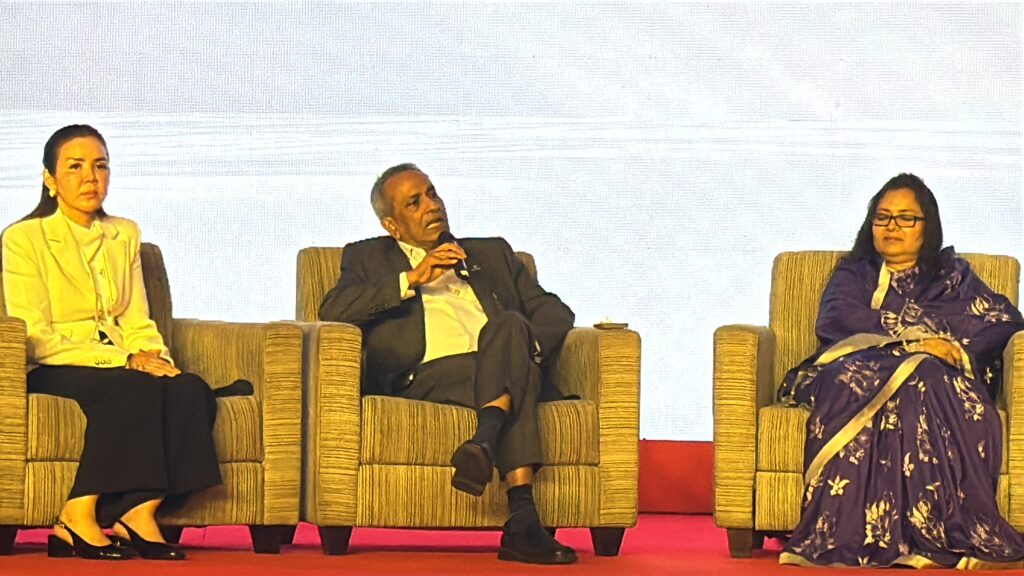
The general discussion and question-and-answer session examined how Bangladesh’s poultry sector could become globally competitive, safe and sustainable.
Professor Dr. Md. Mahmudul Hasan Sikder moderated the session. Shamsul Arefin Khaled and Professor Dr. Md. Shawkat Ali, Convener of the Technical Sub-committee, addressed the closing proceedings.
The day’s discussions pointed to several connected priorities. Production planning must reflect market demand. Farm performance must be assessed through net income. Food safety requires testing, surveillance and traceability. Export preparation requires credible veterinary evidence.
Small and medium-sized farmers need practical access to these improvements. Simple financial records, usable compliance guidance, disease-prevention support and timely market information must reach the farm level.
If the benefits of technology and policy fail to reach farmers, the industry may continue to report impressive production figures while producers remain financially vulnerable.
Bangladesh’s poultry sector is an important source of affordable animal protein. Its future will be stronger when production gains translate into fair farm income, consumers have confidence in food safety, and the country’s products earn acceptance in international markets.
The speakers at the Dhaka seminar outlined the technical, economic and policy changes needed to move towards that goal.