















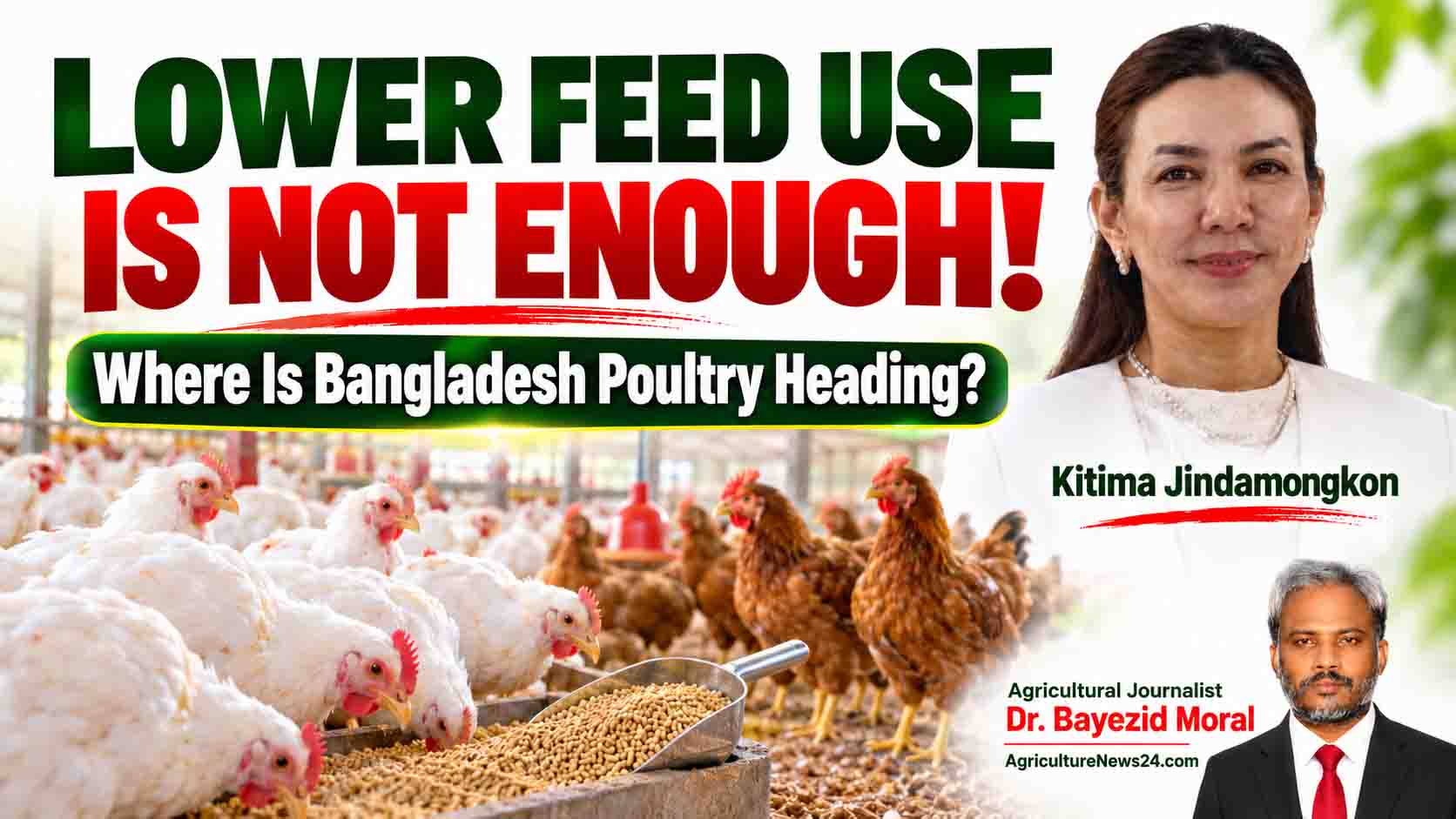
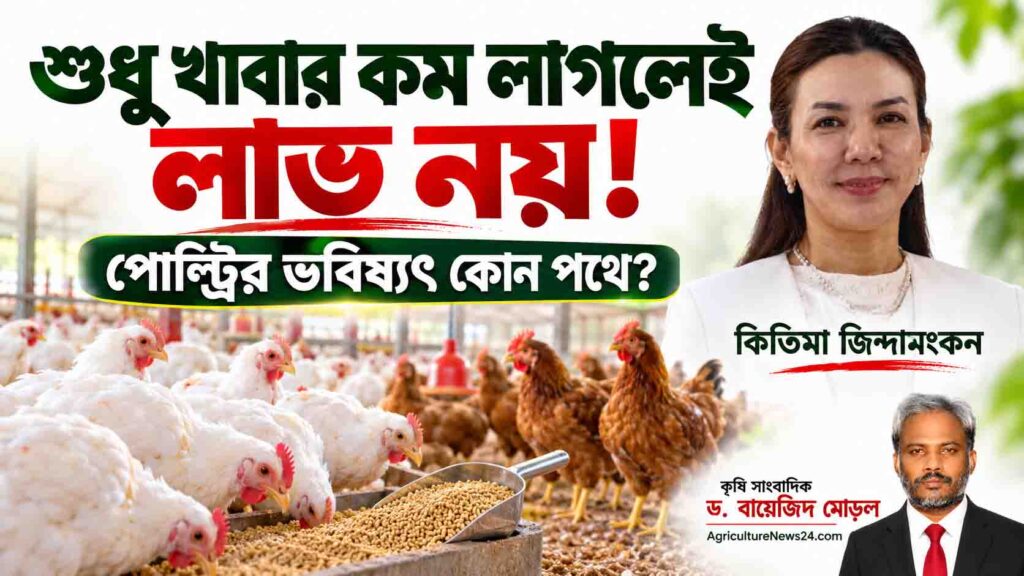
শুধু খাবার কম লাগলেই লাভ নয়: বাংলাদেশের পোল্ট্রির ভবিষ্যৎ কোন পথে?
ভালো বাচ্চা, সুষম খাদ্য, সুস্থ মুরগি ও ন্যায্য বাজারের সঙ্গে নিরাপদ মাংস উৎপাদনের সমন্বয় কেন জরুরি
কৃষি সাংবাদিক ড. বায়েজিদ মোড়লের গবেষণাধর্মী প্রতিবেদন
আমার ২৬ বছরের কৃষি সাংবাদিকতার অভিজ্ঞতায় সরেজমিনে দেখেছি ও জেনেছি, মুরগি ভালো বাড়লেই খামারি ভালো থাকেন না। কম খাবারে বেশি ওজন পাওয়া অবশ্যই ভালো। কিন্তু সেই মুরগি বিক্রি করে যদি বাচ্চা, খাদ্য, শ্রম, বিদ্যুৎ, চিকিৎসা ও অন্যান্য খরচ ওঠানো না যায়, তাহলে ভালো উৎপাদনের পরও খামারির লোকসান হয়।
আবার খামারি একটি চালানে লাভ করলেও পরের চালানে সেই লাভ হারিয়ে ফেলতে পারেন। কখনো বাচ্চার দাম বাড়ে, কখনো খাদ্যের দাম বাড়ে, কখনো রোগ দেখা দেয়, আবার কখনো বিক্রির সময় মুরগির বাজার পড়ে যায়। তাই বাংলাদেশের পোল্ট্রির ভবিষ্যৎ নিয়ে আলোচনা করতে হলে শুধু মুরগির ওজন ও খাবারের হিসাব দেখলে চলবে না। বাচ্চা উৎপাদন থেকে ক্রেতার হাতে নিরাপদ মাংস পৌঁছানো পর্যন্ত পুরো ব্যবস্থাকে একসঙ্গে দেখতে হবে।
গত ৩ অক্টোবর অনুষ্ঠিত ওয়ার্ল্ড’স পোল্ট্রি সায়েন্স অ্যাসোসিয়েশন—বাংলাদেশ ব্রাঞ্চের আন্তর্জাতিক কারিগরি সেমিনারের একটি উপস্থাপনার সারসংক্ষেপেও এই বিষয়টি গুরুত্ব পেয়েছে। ডিএসএম-ফিরমেনিখের এশিয়া ও প্রশান্ত মহাসাগরীয় অঞ্চলের অন্ত্রের স্বাস্থ্য, নতুন সমাধান ও সেবাবিষয়ক আঞ্চলিক ব্যবস্থাপক কিতিমা জিন্দামংকন বাংলাদেশের পোল্ট্রির পরবর্তী অগ্রযাত্রায় এশিয়ার অভিজ্ঞতা কাজে লাগানোর বিষয় তুলে ধরেন।
উপস্থাপনার মূল বক্তব্য ছিল—খাদ্য ব্যবহারে দক্ষতা অর্জনই যথেষ্ট নয়। লাভজনক ও টেকসই উৎপাদনের জন্য বংশগত মান, পুষ্টি, স্বাস্থ্য, ঘর, ব্যবস্থাপনা এবং ক্রেতার চাহিদার মধ্যে সমন্বয় প্রয়োজন।
খাবারের হিসাব জরুরি, কিন্তু সেটিই পুরো হিসাব নয়
পোল্ট্রি খামারে খাদ্য একটি বড় ব্যয়ের খাত। তাই কত খাবারে কত ওজন হচ্ছে, তা জানা দরকার। সাধারণভাবে এক কেজি ওজন বৃদ্ধির জন্য কত কেজি খাদ্য লাগে, সেই অনুপাত দিয়ে খাদ্য ব্যবহারের দক্ষতা বোঝানো হয়।
তবে এই অনুপাত ভালো হলেই খামারের লাভ নিশ্চিত হয় না। একই পরিমাণ খাবার খেয়ে একই ওজনের মুরগি উৎপাদন করা দুটি খামারের লাভ আলাদা হতে পারে। কারণ তাদের বাচ্চার ক্রয়মূল্য, মৃত্যুহার, শ্রম ব্যয়, ঘরের খরচ ও বিক্রয়মূল্য এক নয়।
আমার মাঠপর্যায়ের অভিজ্ঞতায় এই জায়গাটিতে হিসাবের ঘাটতি দেখা যায়। অনেক খামারি খাদ্য ও বাচ্চার দাম মনে রাখেন, কিন্তু নিজের শ্রম, ঘরের মেরামত, যন্ত্রপাতির ক্ষয় কিংবা ঋণের খরচ পুরোপুরি হিসাবে আনেন না। ফলে বিক্রির পর হাতে থাকা টাকাকে লাভ মনে হলেও প্রকৃত লাভ তার চেয়ে কম হতে পারে।
খামারির সবচেয়ে প্রয়োজনীয় প্রশ্ন তাই—এক কেজি বিক্রিযোগ্য মুরগি উৎপাদনে সব মিলিয়ে কত টাকা খরচ হলো এবং বিক্রি করে কত টাকা পাওয়া গেল?
ভালো বাচ্চা ও সঠিক ব্যবস্থাপনা একসঙ্গে প্রয়োজন
উপস্থাপনার সারসংক্ষেপে বংশগত মান ও পুষ্টির উন্নতির পাশাপাশি স্বাস্থ্য এবং খামারের পরিবেশকে গুরুত্ব দেওয়া হয়েছে। বিষয়টি বাংলাদেশের জন্যও প্রাসঙ্গিক।
ভালো মানের বাচ্চা উৎপাদনের একটি ভালো শুরু। কিন্তু বাচ্চা ভালো হলেই শেষ পর্যন্ত ভালো ফল পাওয়া যাবে, এমন নিশ্চয়তা নেই। ঘরে অতিরিক্ত ভিড়, বাতাস চলাচলের ঘাটতি, ভেজা লিটার, অপরিষ্কার পানি কিংবা খাবারের অপচয় সেই সম্ভাবনা কমিয়ে দিতে পারে।
খামারের প্রতিটি ব্যবস্থা অন্য ব্যবস্থার সঙ্গে যুক্ত। মুরগি ঠিকমতো পানি না পেলে খাবারও কম খাবে। ঘরের পরিবেশ খারাপ হলে স্বাস্থ্য দুর্বল হতে পারে। অসুস্থ মুরগির বৃদ্ধি কমলে উৎপাদন খরচ বেড়ে যায়।
তাই শুধু নতুন খাদ্য বা নতুন বাচ্চা কিনে সমস্যার সমাধান খোঁজার আগে খামারের দৈনন্দিন ব্যবস্থাপনা পর্যালোচনা করা প্রয়োজন। প্রতিদিনের খাদ্য গ্রহণ, মৃত্যুহার, ওজন এবং খরচ লিখে রাখলে সমস্যার জায়গা বোঝা সহজ হয়।
রোগ ঢোকার পথ বন্ধ করাও অর্থনৈতিক বিনিয়োগ
রোগ প্রতিরোধের ব্যবস্থা অনেক সময় খামারির কাছে বাড়তি খরচ মনে হয়। অথচ রোগ দেখা দিলে শুধু চিকিৎসার খরচ বাড়ে না; মুরগির বৃদ্ধি কমে, মৃত্যুহার বাড়ে এবং বিক্রির পরিকল্পনাও ব্যাহত হতে পারে।
খামারে অপ্রয়োজনীয় মানুষের প্রবেশ নিয়ন্ত্রণ, পরিচ্ছন্নতা, নিরাপদ পানি, সরঞ্জাম পরিষ্কার রাখা এবং অসুস্থ মুরগির বিষয়ে দ্রুত ব্যবস্থা নেওয়া—এসব উৎপাদন সুরক্ষার অংশ। টিকা ও চিকিৎসার পরিকল্পনা করতে হবে প্রাণিচিকিৎসকের পরামর্শে।
স্বাস্থ্য ব্যবস্থাপনার লক্ষ্য শুধু অসুস্থ মুরগিকে চিকিৎসা দেওয়া নয়। লক্ষ্য হলো এমন পরিবেশ তৈরি করা, যেখানে রোগের ঝুঁকি কমবে এবং উৎপাদন নিয়মিত রাখা সম্ভব হবে।
খামারের বাইরে গেলেও খামারির স্বার্থ থাকতে হবে
কিতিমা জিন্দামংকনের উপস্থাপনার সারসংক্ষেপে সমন্বিত উৎপাদন, প্রক্রিয়াজাতকরণ, ব্র্যান্ডিং, খাদ্যনিরাপত্তা ও উৎপাদনের তথ্য অনুসরণযোগ্য করার বিষয় গুরুত্ব পেয়েছে।
এর সহজ অর্থ হলো—বাচ্চা, খাদ্য, খামার, সংগ্রহ, প্রক্রিয়াজাতকরণ ও বিক্রির মধ্যে কার্যকর যোগাযোগ গড়ে তোলা। কে কত মুরগি উৎপাদন করবেন, কখন বিক্রি করবেন এবং কোন বাজারে সরবরাহ হবে—এসব বিষয়ে আগাম ধারণা থাকলে পরিকল্পনা করা সহজ হয়।
তবে বাংলাদেশের বাস্তবতায় একটি বিষয় বিশেষভাবে বিবেচনা করতে হবে: সমন্বিত ব্যবস্থায় ছোট খামারির ন্যায্য অংশ নিশ্চিত হচ্ছে কি না।
চুক্তিভিত্তিক উৎপাদন হলে বাচ্চা ও খাদ্যের মান, খরচের হিসাব, মুরগি কেনার শর্ত, ওজন নির্ধারণ এবং টাকা পরিশোধের সময় স্পষ্ট থাকা প্রয়োজন। রোগ বা অস্বাভাবিক বাজার পরিস্থিতিতে কার দায়িত্ব কতটুকু, সেটিও আগে নির্ধারিত থাকা দরকার।
সমন্বয়ের সুফল তখনই পাওয়া যাবে, যখন উৎপাদনের ঝুঁকি ও আয়ের সুযোগ ন্যায্যভাবে ভাগ হবে।
সোনালি মুরগি বাংলাদেশের নিজস্ব সম্ভাবনা
উপস্থাপনার সারসংক্ষেপে বাংলাদেশের স্থানীয় শক্তি হিসেবে সোনালি মুরগির বিষয়টি এসেছে। এটি একটি গুরুত্বপূর্ণ দিক। অন্য দেশের সফল ব্যবস্থা থেকে শেখা প্রয়োজন, কিন্তু বাংলাদেশের বাজার ও ক্রেতার পছন্দও বুঝতে হবে।
সোনালি মুরগির জন্য আলাদা উৎপাদন পরিকল্পনা দরকার। বাচ্চার মান, খাদ্য, পালনকাল, স্বাস্থ্য ব্যবস্থাপনা এবং বিক্রির বাজার মিলিয়ে লাভের হিসাব করতে হবে।
সোনালি মুরগি বেশি দামে বিক্রি হলেই সব খামারে বেশি লাভ হবে—এমন সিদ্ধান্ত নেওয়া ঠিক নয়। কত দিন পালন করা হচ্ছে, কত খাবার লাগছে, মৃত্যুহার কত এবং বিক্রির সময় দাম কেমন—এসব বিষয় ফল নির্ধারণ করবে।
বাংলাদেশের জন্য কার্যকর পথ হলো ব্রয়লার ও সোনালির নিজস্ব বৈশিষ্ট্য অনুযায়ী উৎপাদন ও বিপণন ব্যবস্থা উন্নত করা।
ক্রেতার আস্থা ছাড়া দীর্ঘমেয়াদি উন্নয়ন সম্ভব নয়
খামারির লাভ এবং ক্রেতার নিরাপদ খাদ্য পাওয়ার বিষয় দুটি পরস্পরের সঙ্গে যুক্ত। ক্রেতার আস্থা তৈরি হলে পণ্যের গ্রহণযোগ্যতা বাড়ানোর সুযোগ তৈরি হয়।
এ জন্য খামারে ওষুধ ব্যবহারের তথ্য রাখা, নির্ধারিত প্রত্যাহারকাল মানা এবং সংগ্রহ ও প্রক্রিয়াজাতকরণের সময় পরিচ্ছন্নতা বজায় রাখা প্রয়োজন। যেখানে শীতল অবস্থায় সংরক্ষণ ও পরিবহন দরকার, সেখানে সেই ব্যবস্থাও নিশ্চিত করতে হবে।
ব্র্যান্ড তৈরি মানে শুধু আকর্ষণীয় মোড়ক নয়। ক্রেতাকে যে মানের প্রতিশ্রুতি দেওয়া হচ্ছে, প্রতিবার সেই মান বজায় রাখাই ব্র্যান্ডের ভিত্তি।
উৎপাদনের তথ্য সংরক্ষণও গুরুত্বপূর্ণ। কোনো সমস্যা দেখা দিলে মুরগি কোন খামার থেকে এসেছে এবং কীভাবে উৎপাদিত হয়েছে, তা শনাক্ত করা গেলে ব্যবস্থা নেওয়া সহজ হয়।
প্রযুক্তি হবে প্রয়োজন ও সামর্থ্য অনুযায়ী
উপস্থাপনায় স্বয়ংক্রিয় ব্যবস্থার সম্ভাবনার কথাও রয়েছে। তবে সব খামারে একই প্রযুক্তি প্রয়োজন হয় না।
একটি ছোট খামারের জন্য নির্ভরযোগ্য ওজন মাপার যন্ত্র, ঘরের তাপমাত্রা পর্যবেক্ষণ এবং নিয়মিত হিসাব রাখার ব্যবস্থা অনেক উপকার করতে পারে। বড় খামারে স্বয়ংক্রিয় খাদ্য ও পানি সরবরাহ কিংবা পরিবেশ নিয়ন্ত্রণের ব্যবস্থা প্রয়োজন হতে পারে।
যে প্রযুক্তিই নেওয়া হোক, আগে দেখতে হবে সেটি কোন সমস্যা সমাধান করবে, কত খরচ হবে এবং রক্ষণাবেক্ষণ করা সম্ভব কি না। যন্ত্র কেনার পাশাপাশি সেটি পরিচালনার দক্ষতাও গড়ে তুলতে হবে।
বাংলাদেশের পরবর্তী লক্ষ্য কী হওয়া উচিত?
আমার ২৬ বছরের কৃষি সাংবাদিকতার অভিজ্ঞতা থেকে মনে করি, বাংলাদেশের পোল্ট্রি খাতের পরবর্তী লক্ষ্য হওয়া উচিত উৎপাদনের সঙ্গে খামারির আয়, নিরাপদ খাদ্য ও বাজারের স্থিতিশীলতা নিশ্চিত করা।
এ জন্য ভালো বাচ্চা ও খাদ্যের পাশাপাশি প্রয়োজন ব্যবহারিক প্রশিক্ষণ, সহজ হিসাবরক্ষণ, রোগ শনাক্তকরণে সহায়তা, স্বচ্ছ বেচাকেনা এবং ছোট খামারির উপযোগী বাজারসংযোগ।
এশিয়ার অভিজ্ঞতা আমাদের পথ দেখাতে পারে। তবে সেই অভিজ্ঞতাকে বাংলাদেশের আবহাওয়া, খামারের আকার, খামারির সামর্থ্য এবং মানুষের খাদ্যাভ্যাস অনুযায়ী কাজে লাগাতে হবে।
একটি খামারের সফলতা শুধু মুরগির ওজন দিয়ে মাপা যায় না। সফলতা তখনই পূর্ণ হয়, যখন খামারি সব খরচ মিটিয়ে ন্যায্য আয় পান, ক্রেতা নিরাপদ মাংস পান এবং খামারটি পরের চালান উৎপাদনের সামর্থ্য ধরে রাখে।
তথ্যসূত্র: WPSA–বাংলাদেশ ব্রাঞ্চের আন্তর্জাতিক কারিগরি সেমিনার ২০২৬-এর প্রকাশিত উপস্থাপনা-সারসংক্ষেপ; কিতিমা জিন্দামংকনের “The Next Chapter of Bangladesh Poultry: Lessons from Asia—From Feed Efficiency to Integrated, Resilient and Profitable Production”, ৩ অক্টোবর ২০২৬। বাংলাদেশের করণীয়বিষয়ক অংশ প্রতিবেদনের বিশ্লেষণ।
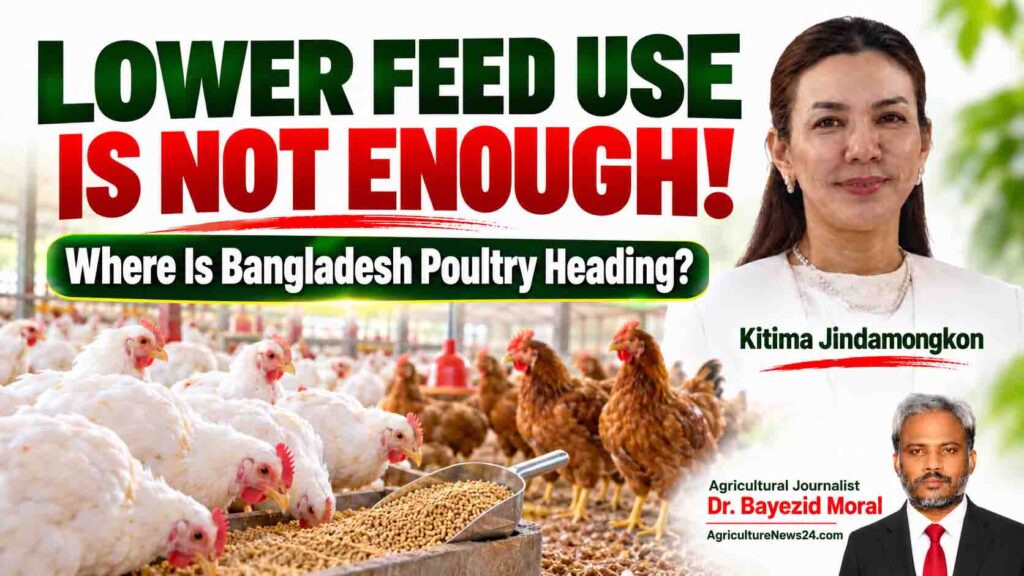
Lower Feed Use Alone Does Not Guarantee Profit: Where Is Bangladesh’s Poultry Industry Heading?
Why quality chicks, balanced nutrition, healthy birds, fair markets and safe meat production must work together
A research-based report by agricultural journalist Dr. Bayezid Moral
Throughout my 26 years in agricultural journalism, I have seen and learned firsthand that good chicken growth does not always mean good returns for farmers. Producing more weight with less feed is certainly an achievement. But if the sale proceeds cannot cover the costs of chicks, feed, labour, electricity, treatment and other expenses, farmers may still suffer losses despite good production.
A farmer may also make a profit from one flock and lose it in the next. Sometimes chick prices rise, sometimes feed becomes more expensive, disease strikes, or market prices fall just when the birds are ready for sale. Therefore, discussions about the future of Bangladesh’s poultry industry must go beyond bird weight and feed consumption. The entire system—from chick production to delivering safe meat to consumers—needs to be considered together.
This issue also received attention in the published presentation abstract for the international technical seminar organised by the World’s Poultry Science Association–Bangladesh Branch on 3 October 2026. Kitima Jindamongkon, Regional Manager for Gut Health, New Solutions and Services at dsm-firmenich APAC, addressed how lessons from Asia could support the next stage of Bangladesh’s poultry development.
The central message was clear: feed efficiency alone is not enough. Profitable and sustainable production requires genetics, nutrition, health, housing, management and consumer needs to work together.
Feed Efficiency Matters, but It Is Only Part of the Calculation
Feed is a major expense in poultry farming. Farmers therefore need to know how much feed is required to achieve a given weight gain. Feed conversion ratio generally expresses the amount of feed needed to produce one kilogram of liveweight gain.
However, a good feed conversion ratio does not guarantee profit. Two farms producing birds of the same weight with the same quantity of feed may earn different returns. Their chick purchase prices, mortality rates, labour expenses, housing costs and selling prices may differ.
In my field experience, farm accounting often has gaps at this point. Many farmers remember what they paid for feed and chicks but do not fully include their own labour, housing repairs, equipment depreciation or borrowing costs. Consequently, the money remaining after sales may appear to be profit, although the actual profit is smaller.
The most useful question for a farmer is therefore: What was the total cost of producing one kilogram of saleable chicken, and how much did it earn?
Quality Chicks and Good Management Must Go Together
The presentation abstract emphasised improvements in genetics and nutrition alongside bird health and the farm environment. These issues are relevant to Bangladesh.
Quality chicks provide a good start. But they cannot guarantee good results throughout the production cycle. Overcrowding, poor ventilation, wet litter, unclean water and feed wastage can reduce their potential.
Every part of farm management is connected. Birds that cannot drink enough water may also eat less. Poor housing conditions can undermine their health. When illness slows growth, production costs increase.
Before looking for a solution through a new feed or a different source of chicks, farmers should review their daily management practices. Recording feed intake, mortality, bird weight and expenses helps identify where problems arise.
Keeping Disease Out Is an Investment in Farm Economics
Disease prevention may sometimes seem like an additional expense. Yet an outbreak can do much more than increase treatment costs. It can slow growth, raise mortality and disrupt the planned selling schedule.
Controlling unnecessary entry into the farm, maintaining cleanliness, providing safe water, cleaning equipment and responding promptly to sick birds are all part of protecting production. Vaccination and treatment plans should follow veterinary advice.
Health management should aim to create conditions that reduce disease risks and support consistent production, alongside treating birds when necessary.
Farmers Must Benefit from Integration Beyond the Farm
Kitima Jindamongkon’s presentation abstract highlighted integrated production, processing, branding, food safety and traceability.
In practical terms, integration means building effective connections among chick suppliers, feed producers, farms, collection systems, processors and sellers. Advance information about production volumes, selling schedules and market destinations can make planning easier.
For Bangladesh, one question deserves particular attention: Are small farmers receiving a fair share of the benefits of integration?
In contract farming, chick and feed quality, cost calculations, purchasing terms, weighing procedures and payment schedules should be clearly defined. Responsibility during disease outbreaks or unusual market conditions should also be established beforehand.
Integration can deliver lasting benefits when production risks and income opportunities are shared fairly.
Sonali Chickens Are a Local Strength
The presentation abstract identified Sonali chickens as one of Bangladesh’s local strengths. This is an important point. Learning from successful systems elsewhere is useful, but Bangladesh must also understand its own markets and consumer preferences.
Sonali production requires a suitable plan. Chick quality, feed, rearing period, health management and the intended market must all be considered when calculating profitability.
A higher selling price does not automatically make Sonali chickens more profitable on every farm. The length of the rearing period, feed consumption, mortality and the price at the time of sale determine the result.
A practical approach for Bangladesh is to improve production and marketing systems according to the characteristics of both broiler and Sonali chickens.
Long-Term Progress Depends on Consumer Trust
Farmer profitability and consumers’ access to safe food are connected. Consumer confidence can strengthen product acceptance.
This requires records of medicine use, compliance with prescribed withdrawal periods and hygienic handling during collection and processing. Suitable cold storage and transport must also be provided where needed.
Building a brand involves consistently delivering the quality promised to consumers. Attractive packaging can support that effort, but the product itself must meet the promise.
Production records are equally important. If a problem occurs, identifying the farm of origin and reviewing how the birds were raised can make corrective action easier.
Technology Should Match Farmers’ Needs and Resources
The presentation also referred to the potential of automation. However, every farm does not need the same technology.
For a small farm, reliable weighing equipment, temperature monitoring and consistent recordkeeping may provide considerable benefits. Larger farms may require automated feeding and watering or environmental control systems.
Before adopting any technology, farmers should assess the problem it will solve, its cost and whether it can be maintained properly. The skills needed to operate the equipment must develop alongside the investment.
What Should Bangladesh’s Next Goal Be?
Drawing on my 26 years in agricultural journalism, I believe the next goal for Bangladesh’s poultry industry should be to secure farmer income, food safety and market stability alongside production growth.
Quality chicks and feed must be supported by practical training, simple recordkeeping, help with disease detection, transparent trading and market connections suitable for small farmers.
Asia’s experience can offer useful guidance. Bangladesh should adapt that experience to its climate, farm sizes, farmers’ resources and consumers’ food preferences.
A farm’s success cannot be measured by bird weight alone. Success becomes meaningful when farmers earn a fair return after covering all costs, consumers receive safe meat, and the farm retains the capacity to raise the next flock.
Source: Published presentation abstract from the WPSA–Bangladesh Branch International Technical Seminar 2026: Kitima Jindamongkon, “The Next Chapter of Bangladesh Poultry: Lessons from Asia—From Feed Efficiency to Integrated, Resilient and Profitable Production,” 3 October 2026. The recommendations for Bangladesh represent the report’s analysis.