















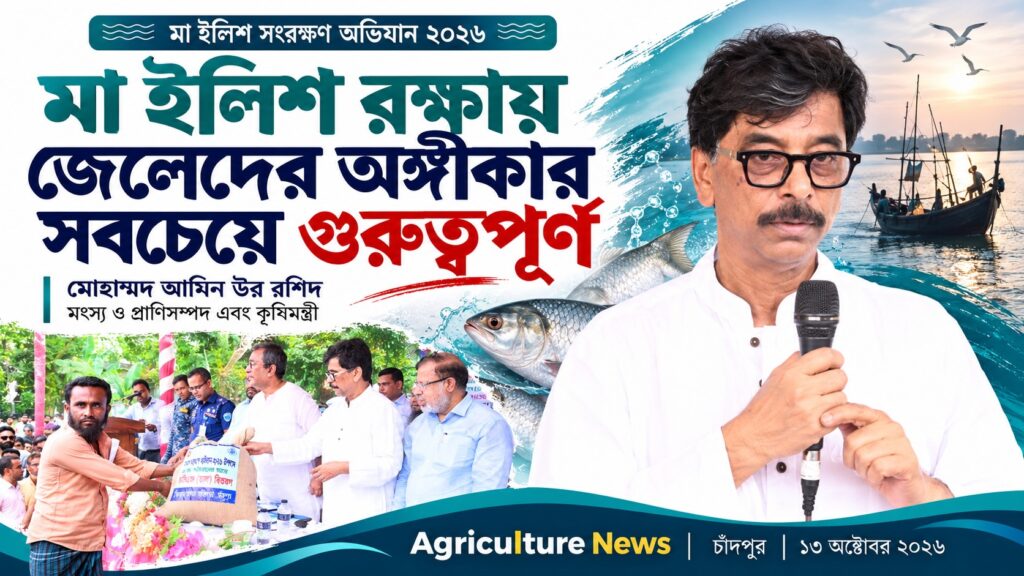
মা ইলিশ রক্ষায় জেলেদের মানসিক অঙ্গীকার সবচেয়ে গুরুত্বপূর্ণ: মন্ত্রী
চাঁদপুরে জেলেদের চাল বিতরণ; টেকসই বিকল্প আয়ের ব্যবস্থা গড়ে তোলার ওপর গুরুত্ব।।
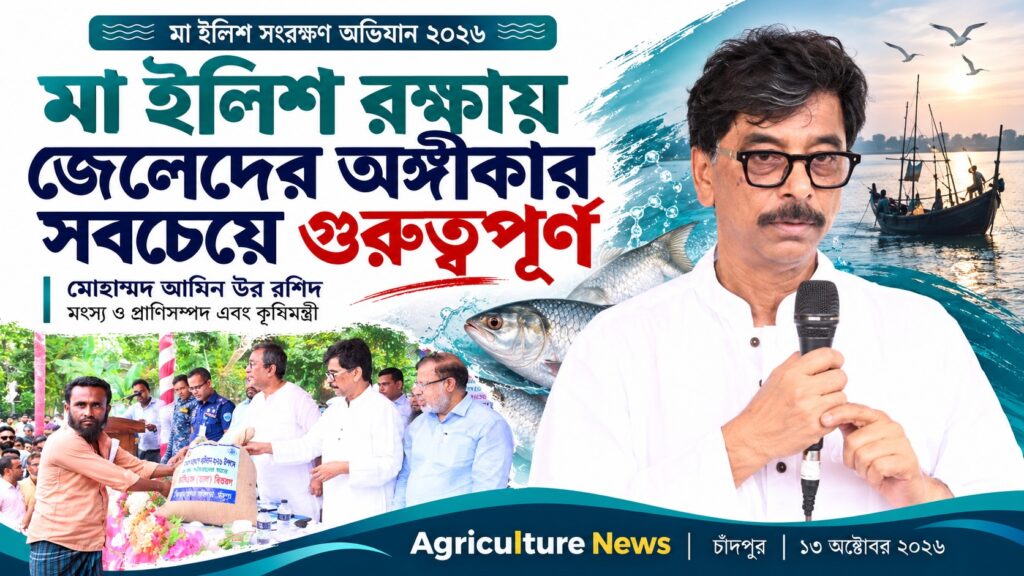
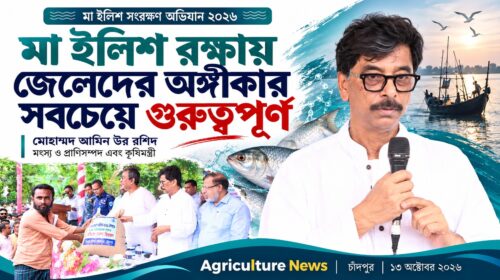
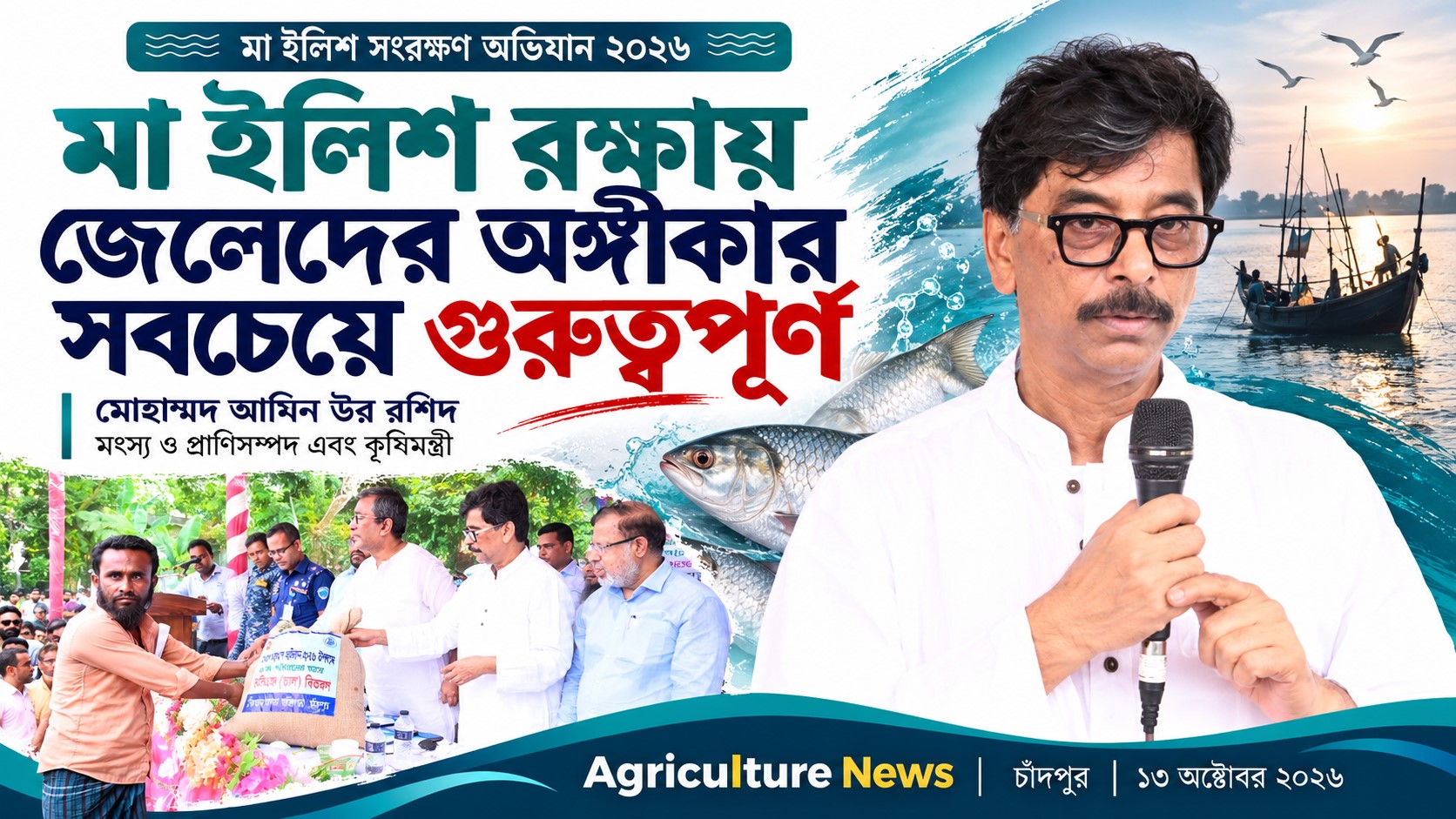
চাঁদপুর সংবাদাতা, ১৩ অক্টোবর ২০২৬: মা ইলিশ রক্ষায় আইন প্রয়োগ ও সরকারি সহায়তার পাশাপাশি জেলেদের সচেতনতা এবং মানসিক অঙ্গীকার সবচেয়ে গুরুত্বপূর্ণ বলে মন্তব্য করেছেন মৎস্য ও প্রাণিসম্পদ এবং কৃষিমন্ত্রী মোহাম্মদ আমিন উর রশিদ। তিনি বলেছেন, জেলেরা নিজেরা মা ইলিশ না ধরার সিদ্ধান্তে অটল থাকলে সংরক্ষণ কার্যক্রম সফল হবে। এর সুফল পাবেন জেলে পরিবার ও আগামী প্রজন্ম।
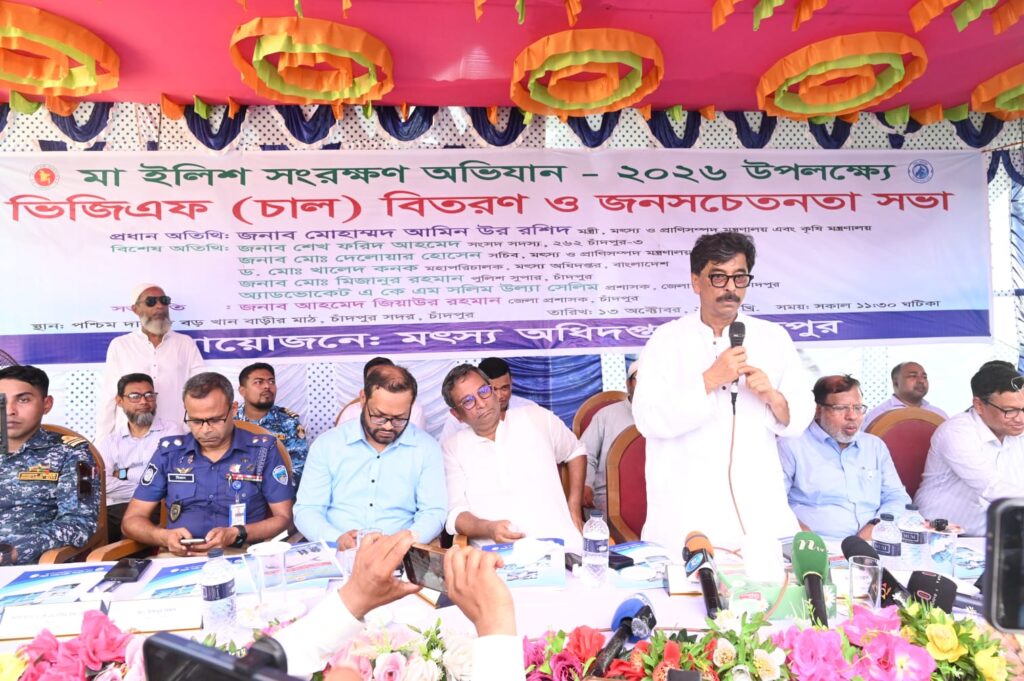
মঙ্গলবার চাঁদপুর সদর উপজেলার পশ্চিম দাসাদি গ্রামের বড় খান বাড়ির মাঠে মা ইলিশ সংরক্ষণ অভিযান–২০২৬ উপলক্ষে আয়োজিত সচেতনতামূলক সভা ও নিবন্ধিত জেলেদের মধ্যে ভিজিএফের চাল বিতরণ অনুষ্ঠানে প্রধান অতিথির বক্তব্যে তিনি এসব কথা বলেন।
মন্ত্রী বলেন, মা ইলিশ সংরক্ষণে শুধু আইন প্রয়োগ, পুলিশ ও কোস্টগার্ড মোতায়েন কিংবা সরকারি সহায়তা প্রদান যথেষ্ট নয়। প্রজনন মৌসুমে ইলিশ আহরণ থেকে বিরত থাকতে জেলেদের নিজেদের দায়িত্ববোধ ও দৃঢ় অঙ্গীকার প্রয়োজন।
তিনি বলেন, “আপনি যদি মানসিকভাবে প্রস্তুত না হন যে মা ইলিশ ধরবেন না, তাহলে ২৫ কেজি কেন, ১০০ কেজি চাল দিলেও সমস্যার সমাধান হবে না।”
আজকের সংরক্ষণে আগামী দিনের ইলিশ
মা ইলিশকে নির্বিঘ্নে ডিম ছাড়ার সুযোগ দেওয়ার ওপর গুরুত্ব দিয়ে মন্ত্রী বলেন, প্রজনন মৌসুমে মা ইলিশ রক্ষা করা গেলে ভবিষ্যতে উৎপাদন বাড়বে। বিপরীতে, এ সময়ে মা ইলিশ ধরা হলে আগামী বছরের উৎপাদন ক্ষতিগ্রস্ত হবে।
মৎস্যজীবীদের উদ্দেশে তিনি বলেন, “আপনারা সরাসরি ইলিশ ধরেন। তাই ইলিশের জীবনচক্র, প্রজনন ও সংরক্ষণের বিষয়ে অনেক ভালো জানেন। মা ইলিশ ডিম ছাড়ার সুযোগ পেলে আগামী বছরও ইলিশ পাওয়া যাবে। তাই মা ইলিশ রক্ষার দায়িত্ব আপনাদেরই সবচেয়ে বেশি।”
চাঁদপুরের ইলিশের অতীত ঐতিহ্য স্মরণ করে মন্ত্রী বলেন, একসময় এ অঞ্চলে প্রচুর ইলিশ পাওয়া যেত। ইলিশ পরিবহন ও সংরক্ষণকে কেন্দ্র করে অনেক বরফকল গড়ে উঠেছিল। কিন্তু সময়ের সঙ্গে ইলিশের প্রাপ্যতা কমে যাওয়ায় সেই কর্মচাঞ্চল্যও অনেকটা হারিয়ে গেছে। উৎপাদন ও প্রাপ্যতা বাড়াতে প্রজনন মৌসুমে মা ইলিশ রক্ষার ওপর জোর দেন তিনি।
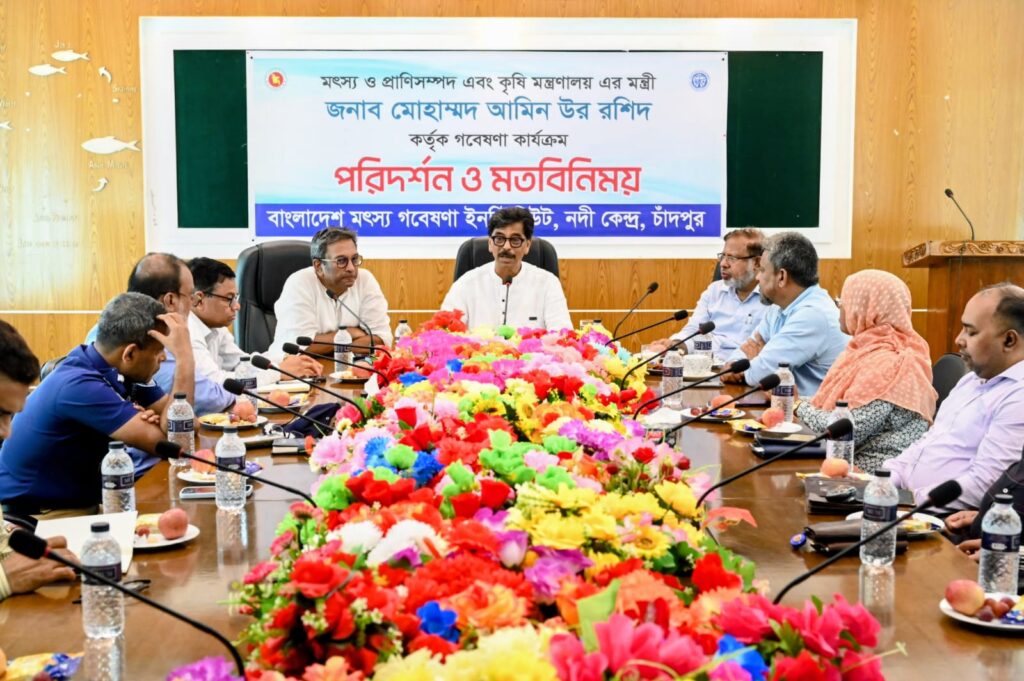
জেলেদের জীবিকার সংকট মোকাবিলায় বিকল্প আয়
মাছ ধরা বন্ধ থাকার সময়ে জেলে পরিবারের আর্থিক সংকটের কথাও তুলে ধরেন মন্ত্রী। তিনি বলেন, এ সময়ে সংসার চালাতে অনেক জেলেকে ঋণ নিতে হয়। পরে সেই ঋণের বোঝা তাঁদের জীবনকে আরও কঠিন করে তোলে।
এই বাস্তবতা বিবেচনায় সাময়িক সহায়তার পাশাপাশি জেলেদের জন্য টেকসই বিকল্প আয়ের ব্যবস্থা গড়ে তোলার বিষয়ে সরকার চিন্তা করছে বলে জানান তিনি।
চাঁদপুরের ভৌগোলিক বৈশিষ্ট্য ও নদীকেন্দ্রিক জীবনযাত্রার সঙ্গে সামঞ্জস্য রেখে কর্মসংস্থানের সুযোগ খুঁজে বের করার ওপর গুরুত্ব দেন মন্ত্রী। তিনি বলেন, এ অঞ্চলে প্রচলিত পদ্ধতিতে পুকুরে মাছ চাষ সব সময় সহজ নয়। বর্ষায় পানি বেড়ে গেলে মাছ ভেসে যাওয়ার ঝুঁকি থাকে। এ কারণে নদীতে খাঁচায় মাছ চাষসহ আধুনিক ও উপযোগী প্রযুক্তিনির্ভর বিকল্প কর্মসংস্থানের সম্ভাবনা খতিয়ে দেখা যেতে পারে।
প্রয়োজন সমন্বিত উদ্যোগ
জেলেদের দীর্ঘমেয়াদি স্বার্থ রক্ষা এবং ইলিশের উৎপাদন বাড়াতে সরকার ও মৎস্যজীবীদের পারস্পরিক সহযোগিতার ওপর গুরুত্ব দেন মন্ত্রী। স্থানীয় জনপ্রতিনিধি, মৎস্য বিভাগের কর্মকর্তা ও সংশ্লিষ্ট সবাইকে সমন্বিতভাবে কাজ করার আহ্বান জানান তিনি।
মন্ত্রী বলেন, মা ইলিশ সংরক্ষণ শুধু সরকারের দায়িত্ব নয়; এটি জেলেদের নিজেদের ভবিষ্যৎ এবং পরবর্তী প্রজন্মের স্বার্থের সঙ্গেও জড়িত। প্রজননক্ষেত্র সুরক্ষিত রাখা গেলে ভবিষ্যতে ইলিশের উৎপাদন বাড়বে। এর সুফল জেলে পরিবারসহ দেশের মৎস্য খাতের সঙ্গে সংশ্লিষ্ট সবাই পাবেন।
অনুষ্ঠানে বিশেষ অতিথি হিসেবে বক্তব্য দেন চাঁদপুর–৩ আসনের সংসদ সদস্য শেখ ফরিদ আহমেদ। তাঁর বক্তব্যের প্রসঙ্গে চাঁদপুরের ইলিশের ঐতিহ্য বিশেষভাবে প্রাসঙ্গিক। নদীঘেরা এ জনপদের পরিচয়, সংস্কৃতি ও জীবিকার সঙ্গে ইলিশের গভীর সম্পর্ক রয়েছে। পদ্মা, মেঘনা ও ডাকাতিয়ার মিলনস্থল চাঁদপুর দীর্ঘদিন ধরে ইলিশ আহরণ ও বাণিজ্যের গুরুত্বপূর্ণ কেন্দ্র হিসেবে পরিচিত। নদীতে জেলেদের নৌকা, মাছঘাটে বেচাকেনা, বরফকল এবং দেশের বিভিন্ন প্রান্তে ইলিশ পাঠানোর কর্মব্যস্ততা এখানকার অর্থনীতিকে সচল রাখে। চাঁদপুরের ইলিশের সুনাম ভোজনরসিকদের কাছে যেমন সমাদৃত, তেমনি বহু জেলে ও ব্যবসায়ী পরিবারের জীবিকারও অবলম্বন। এই ঐতিহ্য ধরে রাখতে মা ইলিশ ও জাটকা সংরক্ষণ, নদীর পরিবেশ রক্ষা এবং জেলেদের জীবিকার নিরাপত্তা নিশ্চিত করা জরুরি। আজকের সচেতনতা ও সম্মিলিত উদ্যোগই আগামী প্রজন্মের কাছে চাঁদপুরের ইলিশের গৌরব পৌঁছে দিতে পারে।
জেলা প্রশাসক আহমেদ জিয়াউর রহমানের সভাপতিত্বে অনুষ্ঠানে আরো উপস্থিত ছিলেন মৎস্য ও প্রাণিসম্পদ মন্ত্রণালয়ের সচিব মো. দেলোয়ার হোসেন, মৎস্য অধিদপ্তরের মহাপরিচালক ড. মো. খালেদ কনক, বাংলাদেশ মৎস্য গবেষণা ইনস্টিটিউটের মহাপরিচালক ড. মো. লতিফুল ইসলাম, পুলিশ সুপার মো. মিজানুর রহমান এবং জেলা পরিষদের প্রশাসক অ্যাডভোকেট এ কে এম সেলিম উল্যা সেলিম। এ সময় স্থানীয় মৎস্যজীবীরা উপস্থিত ছিলেন।
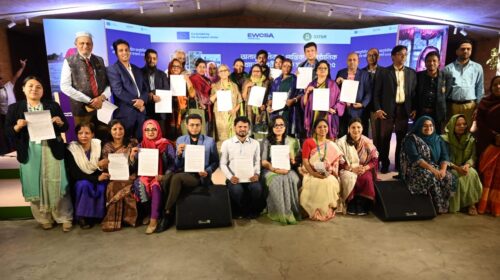
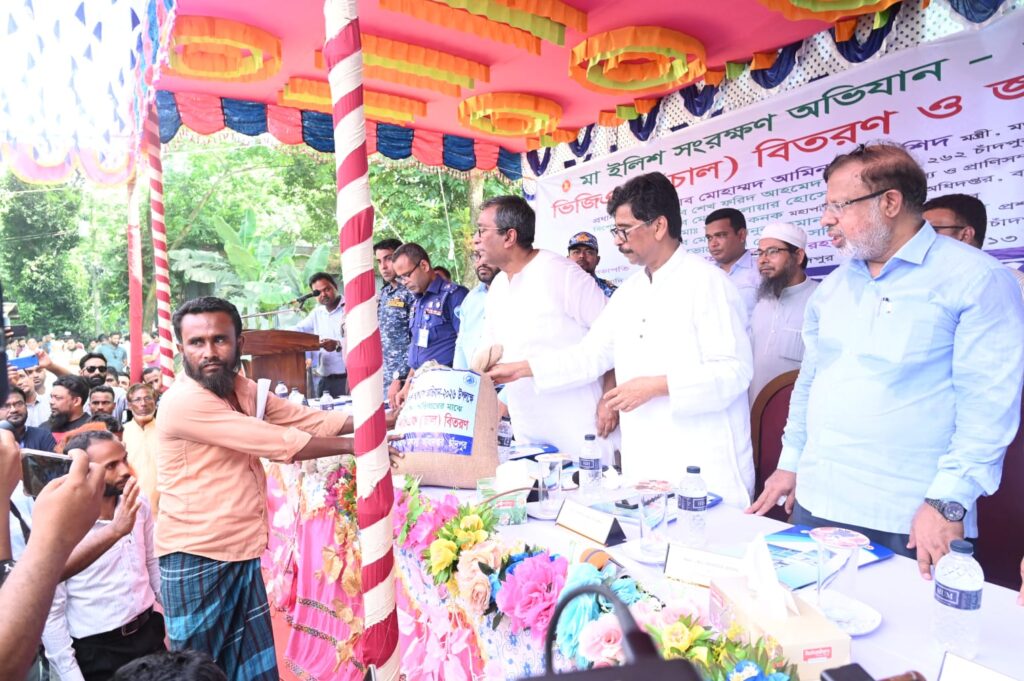
অনুষ্ঠান শেষে মা ইলিশ সংরক্ষণ কার্যক্রমের অংশ হিসেবে ইলিশ আহরণ থেকে বিরত থাকা নিবন্ধিত জেলেদের মধ্যে ভিজিএফের চাল বিতরণ করেন মন্ত্রী।
Fishers’ Commitment Is Crucial to Protecting Mother Hilsa: Minister
Rice distributed to registered fishers in Chandpur; emphasis on sustainable alternative livelihoods
Chandpur, October 13, 2026: Fisheries and Livestock and Agriculture Minister Mohammad Amin Ur Rashid has said that fishers’ awareness and personal commitment are crucial to protecting mother hilsa, alongside law enforcement and government assistance.
He said conservation efforts would succeed if fishers remained firmly committed to refraining from catching breeding hilsa, benefiting both fishing families and future generations.
The minister made the remarks as chief guest at an awareness meeting and VGF rice distribution programme for registered fishers at the Baro Khan Bari field in West Dasadi village of Chandpur Sadar upazila on Tuesday. The event was organised as part of the Mother Hilsa Conservation Campaign 2026.
The minister said that enforcing the law, deploying police and the Coast Guard, and providing government assistance would not be enough on their own. Fishers must also recognise their responsibility and commit to avoiding hilsa fishing during the breeding season.
“If you are not mentally prepared to refrain from catching mother hilsa, providing even 100 kilograms of rice instead of 25 kilograms will not solve the problem,” he said.
Protecting Hilsa Today for Tomorrow’s Catch
Emphasising the need to allow mother hilsa to spawn undisturbed, the minister said protecting breeding fish would help increase future production. Catching them during the breeding season, however, would harm the following year’s production.
Addressing the fishers, he said: “You catch hilsa directly, so you know a great deal about its life cycle, breeding and conservation. If mother hilsa are allowed to spawn, hilsa will be available next year as well. You therefore bear the greatest responsibility for protecting them.”
Recalling Chandpur’s longstanding hilsa heritage, the minister said the area once had abundant supplies of the fish. Numerous ice factories supported its transport and preservation. As hilsa availability declined over time, much of that economic activity also diminished.
He stressed that protecting mother hilsa during the breeding season was essential to increasing production and availability.
Alternative Income to Support Fishing Families
The minister also acknowledged the financial hardship fishing families face when fishing is suspended. He said many fishers have to borrow money to meet household expenses, and the resulting debt makes their lives even more difficult.
Taking these circumstances into account, the government is considering ways to develop sustainable alternative sources of income for fishers alongside temporary assistance, he said.
The minister emphasised identifying livelihood opportunities suited to Chandpur’s geography and river-based way of life. Conventional pond aquaculture is not always easy in the area, he said, as rising water during the monsoon can allow farmed fish to escape.
He suggested exploring river cage aquaculture and other suitable technology-based livelihood options.
Coordinated Action Is Essential
The minister called for cooperation between the government and fishing communities to safeguard fishers’ long-term interests and increase hilsa production. He urged local elected representatives, fisheries officials and all concerned to work together.
Protecting mother hilsa is not solely the government’s responsibility, he said. It is also linked to fishers’ own future and the interests of the next generation.
Safeguarding breeding grounds would help increase future hilsa production, with benefits extending to fishing families and others involved in the country’s fisheries sector, he added.
Sheikh Farid Ahmed, Member of Parliament for Chandpur-3, addressed the event as a special guest. Chandpur’s hilsa heritage is particularly relevant in the context of his remarks. Hilsa is deeply connected to the identity, culture and livelihoods of this riverine region. Located at the confluence of the Padma, Meghna and Dakatia rivers, Chandpur has long been an important centre for hilsa fishing and trade. Fishing boats, bustling fish markets, ice factories and shipments across the country support the local economy. Chandpur’s hilsa is prized by food lovers and sustains many fishing and trading families. Preserving this heritage requires protecting breeding hilsa and juveniles, safeguarding river ecosystems and ensuring fishers’ livelihood security. Awareness and collective action today can help pass Chandpur’s proud hilsa legacy on to future generations.
Deputy Commissioner Ahmed Ziaur Rahman chaired the programme. Special guests Fisheries and Livestock Secretary Md. Delwar Hossain; Department of Fisheries Director General Dr. Md. Khaled Kanak; Bangladesh Fisheries Research Institute Director General Dr. Md. Latiful Islam; Superintendent of Police Md. Mizanur Rahman; and District Council Administrator Advocate A K M Selim Ullah Selim. Local fishers were also present.
Following the meeting, the minister distributed VGF rice among registered fishers refraining from hilsa fishing as part of the conservation campaign.