
















১০০০ ডিমপাড়া হাঁস পালনে কত টাকা প্রয়োজন—লাভ থাকে কত?
ড. বায়েজিদ মোড়লের গবেষণাধর্মী প্রতিবেদন।।
প্রতিদিন কয়েক শ ডিম বিক্রি হচ্ছে। খামারে নিয়মিত টাকা আসছে। বাইরে থেকে দেখলে মনে হতে পারে, ডিমপাড়া হাঁসের খামারে লাভ নিশ্চিত। কিন্তু সেই টাকা থেকে খাদ্য, শ্রম, পরিবহন, চিকিৎসা ও খামারের অন্যান্য খরচ বাদ দিলে কত থাকে? পুরোনো হাঁস বিক্রির পর নতুন হাঁস কেনার টাকা কি জমছে?
১,০০০ ডিমপাড়া হাঁসের খামারের অর্থনীতি বুঝতে এসব প্রশ্নের উত্তর প্রয়োজন। কারণ ডিম বিক্রির টাকা আর লাভ এক বিষয় নয়। খাদ্যের দাম বেশি এবং ডিমের দাম কম হলে ভালো উৎপাদনের খামারও লোকসানে পড়তে পারে।

এই প্রতিবেদনের উদাহরণভিত্তিক হিসাবে, নিজের উপযোগী ঘর ও জায়গা থাকলে ডিম দেওয়ার কাছাকাছি বয়সের ১,০০০ মাদি হাঁস নিয়ে শুরু করতে প্রায় ৯–১২ লাখ টাকা প্রস্তুত রাখা প্রয়োজন হতে পারে। নতুন ঘর ও অবকাঠামো করতে হলে জমি কেনা বাদে প্রয়োজন হতে পারে প্রায় ১৪–২০ লাখ টাকা। মধ্যম পরিস্থিতিতে মাসিক পরিচালন উদ্বৃত্ত প্রায় ৪০ হাজার টাকা হলেও হাঁসের মূল্যক্ষয়, অবকাঠামোর অবচয় ও মূলধনের খরচ ধরলে লাভ নেমে আসতে পারে প্রায় ১০ হাজার টাকায়। প্রতিকূল পরিস্থিতিতে মাসে ৫০ হাজার টাকার বেশি লোকসানও হতে পারে।
এগুলো কোনো নির্দিষ্ট এলাকার যাচাইকৃত বর্তমান বাজারদর কিংবা নিশ্চিত লাভের ঘোষণা নয়। প্রকাশিত গবেষণা ও কারিগরি নির্দেশনার সঙ্গে স্পষ্টভাবে উল্লেখ করা অনুমান মিলিয়ে হিসাব তৈরি করা হয়েছে। স্থানীয় খাদ্য, হাঁস ও ডিমের প্রকৃত দর বসালে ফল পরিবর্তিত হবে।
১,০০০ হাঁস মানে কি প্রতিদিন ১,০০০ ডিম?
খামারের হিসাবে সবচেয়ে বড় ভুলগুলোর একটি হলো হাঁসের সংখ্যাকে প্রতিদিনের ডিমের সংখ্যা ধরে নেওয়া।
এখানে ১,০০০ জীবিত মাদি হাঁসের একটি উৎপাদনরত পাল ধরে হিসাব করা হয়েছে। পালটিতে ৩০০ পুরুষ হাঁস থাকলে ১,০০০ হাঁসের একই হিসাব প্রযোজ্য হবে না।
খাওয়ার ডিম উৎপাদনের জন্য পুরুষ হাঁস প্রয়োজন হয় না। বাচ্চা ফোটানোর উপযোগী ডিম উৎপাদন আলাদা ব্যবসা; সেখানে প্রজনন ব্যবস্থাপনা ও বাজারের হিসাবও আলাদা।
১,০০০ মাদি হাঁসের ক্ষেত্রে উৎপাদন হারের অর্থ দাঁড়ায়:
| দৈনিক উৎপাদন হার | প্রতিদিন ডিম | ৩০ দিনে ডিম |
|---|---|---|
| ৫০ শতাংশ | ৫০০টি | ১৫,০০০টি |
| ৬০ শতাংশ | ৬০০টি | ১৮,০০০টি |
| ৭০ শতাংশ | ৭০০টি | ২১,০০০টি |
| ৮০ শতাংশ | ৮০০টি | ২৪,০০০টি |
এই ছকে সব ডিম বিক্রিযোগ্য ধরা হয়েছে। বাস্তবে ভাঙা, নষ্ট বা বিক্রির অনুপযোগী ডিম বাদ দিতে হবে। হাঁস মারা গেলে বা পাল থেকে বাদ দিলে জীবিত হাঁসের সংখ্যাও সংশোধন করতে হবে।
ডিম দেওয়া শুরু, সর্বোচ্চ উৎপাদন এবং পরবর্তী সময়ে উৎপাদন এক থাকে না। তামিলনাড়ু কৃষি বিশ্ববিদ্যালয়ের নির্দেশনায় হাঁস সাধারণত প্রায় পাঁচ–ছয় মাস বয়সে ডিম দেওয়া শুরু করে এবং শুরুর কয়েক সপ্তাহ পর সর্বোচ্চ উৎপাদনে পৌঁছায় বলা হয়েছে। তবে জাত ও ব্যবস্থাপনা অনুযায়ী সময় বদলায়। তাই কেনার পর থেকেই পূর্ণ উৎপাদনের আয় ধরা ঠিক হবে না।
লাভের হিসাব কোন পদ্ধতির খামারের?
বাংলাদেশে হাঁসের খামারের সব হিসাব এক ছকে ফেলা যায় না।
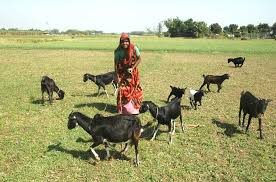
হাওর, বিল বা জলাশয়ে চরানো হাঁস কিছু প্রাকৃতিক খাদ্য পেতে পারে। অন্যদিকে আবদ্ধ খামারে খাদ্যের প্রায় পুরো চাহিদা কিনে পূরণ করতে হয়। চরানো ব্যবস্থায় খাদ্য কেনার খরচ কমতে পারে, কিন্তু পাহারা, যাতায়াত, জলাশয় ব্যবহার এবং মৌসুমি খাদ্যসংকটের খরচ থাকে।
এই প্রতিবেদনের মূল হিসাবটি প্রধানত কেনা খাদ্যের ওপর নির্ভরশীল খামারের। ফলে প্রাকৃতিক খাদ্য পাওয়া খামারের সঙ্গে তুলনা করতে হলে খাদ্য ও শ্রম—দুই খাতই নতুন করে হিসাব করতে হবে।
বাংলাদেশের কিশোরগঞ্জে পরিচালিত একটি গবেষণায় হাঁস পালনে রোগ, খাদ্যের উচ্চ খরচ, ঋণ ও চিকিৎসাসেবার সীমাবদ্ধতা এবং কম বিক্রয়মূল্যকে গুরুত্বপূর্ণ সমস্যা হিসেবে পাওয়া গেছে। গবেষণাটি ২০১৬ সালের; এর পুরোনো টাকার অঙ্ক বর্তমান বিনিয়োগের হিসাব হিসেবে ব্যবহার করা হয়নি।
শুরুতে কত টাকা প্রস্তুত রাখতে হবে?
হাঁস কেনার টাকা থাকলেই খামার চালু করার প্রস্তুতি সম্পূর্ণ হয় না। খাদ্য মজুত, ঘর, পানির ব্যবস্থা এবং উৎপাদন কম থাকাকালীন খরচ চালানোর টাকা প্রয়োজন।
নিচের বাজেটে ডিম দেওয়ার কাছাকাছি বয়সের মাদি হাঁসের উদাহরণমূল্য প্রতিটি ৫০০ টাকা ধরা হয়েছে। এটি বর্তমান বাজারদর হিসেবে যাচাই করা মূল্য নয়। কেনার আগে বয়স, জাত, স্বাস্থ্য, লিঙ্গ ও উৎপাদনের তথ্যসহ স্থানীয় দর নিতে হবে।
নিজের উপযোগী ঘর ও জায়গা থাকলে
| বিনিয়োগের খাত | উদাহরণভিত্তিক টাকা |
|---|---|
| ১,০০০ মাদি হাঁস, প্রতিটি ৫০০ টাকা | ৫,০০,০০০ |
| ঘর মেরামত, পানি নিষ্কাশন ও বেড়া | ৭৫,০০০ |
| খাবার ও পানির পাত্র, ডিম সংগ্রহের সরঞ্জাম | ৫০,০০০ |
| পরিবহন, প্রাথমিক স্বাস্থ্য পরীক্ষা ও পরিষ্কার-পরিচ্ছন্নতা | ২৫,০০০ |
| প্রাথমিক বিনিয়োগ | ৬,৫০,০০০ |
| এক–দুই মাসের পরিচালন তহবিল, গোল করে | ২,৫০,০০০–৫,০০,০০০ |
| মোট প্রস্তুত অর্থ | ৯,০০,০০০–১১,৫০,০০০ |
অর্থাৎ এই অনুমানে প্রায় ৯–১২ লাখ টাকা প্রস্তুত রাখার পরিকল্পনা যুক্তিসংগত। তবে ঘর আগে থেকে থাকলেও সেটি হাঁসের জন্য উপযোগী কি না, তা দেখতে হবে।
পরিচালন তহবিলের অর্থ একসঙ্গে খরচ হয়ে যাবে—এমন নয়। এটি খাদ্য কেনা ও অন্যান্য খরচ চালানোর জন্য হাতে রাখা টাকা। ডিমের টাকা পেতে দেরি হলে বা প্রথম দিকে উৎপাদন কম থাকলে এই তহবিল কাজে লাগবে।
নতুন ঘর করতে হলে
উপরের হিসাব থেকে ৭৫ হাজার টাকার মেরামত খরচ বাদ দিয়ে নতুন ঘর, বেড়া, পানি নিষ্কাশন ও প্রয়োজনীয় স্থাপনার জন্য উদাহরণ হিসেবে ৬–৯ লাখ টাকা ধরলে মোট প্রস্তুত অর্থ দাঁড়ায় প্রায় ১৪.২৫–১৯.৭৫ লাখ টাকা।
তাই জমি কেনা বাদে প্রায় ১৪–২০ লাখ টাকার পরিকল্পনা করা যেতে পারে। এটি নির্মাণের দরপত্র নয়; স্থানীয় উপকরণ, ঘরের আয়তন ও কাজের মান অনুযায়ী প্রকৃত ব্যয় নির্ধারণ করতে হবে।
ঘরের খরচ কমাতে হাঁস গাদাগাদি করলে সেই সাশ্রয়ের বিপরীতে উৎপাদন ও ব্যবস্থাপনার ক্ষতি হতে পারে। তামিলনাড়ু কৃষি বিশ্ববিদ্যালয়ের নির্দেশনায় পূর্ণ আবদ্ধ ব্যবস্থায় ডিমপাড়া হাঁসের জন্য প্রতি হাঁসে প্রায় ৪–৫ বর্গফুট মেঝের জায়গার উল্লেখ রয়েছে। সে হিসেবে ১,০০০ হাঁসের জন্য প্রায় ৪,০০০–৫,০০০ বর্গফুট হাঁস রাখার জায়গা প্রয়োজন হতে পারে; খাদ্যগুদাম ও অন্যান্য ব্যবহারের জায়গা আলাদা।
বাচ্চা কিনে বড় করলে কি কম টাকা লাগবে?
বাচ্চার ক্রয়মূল্য কম হতে পারে। কিন্তু ডিম পাওয়ার আগ পর্যন্ত কয়েক মাসের খাদ্য, তাপের ব্যবস্থা, শ্রম ও পরিচর্যার খরচ বহন করতে হবে।
আরও গুরুত্বপূর্ণ হলো, ১,০০০ বাচ্চা কিনলেই ১,০০০ ডিমপাড়া মাদি হাঁস পাওয়া যায় না। বাচ্চার মধ্যে পুরুষ হাঁস থাকতে পারে এবং বড় করার সময়ে মৃত্যুও হতে পারে।
তামিলনাড়ু কৃষি বিশ্ববিদ্যালয়ের নির্দেশনায় খাকি ক্যাম্পবেল হাঁসের ২০ সপ্তাহ বয়স পর্যন্ত প্রায় ১২.৫ কেজি খাদ্য গ্রহণের উল্লেখ রয়েছে। শুধু উদাহরণ হিসেবে খাদ্যের গড় মূল্য কেজিতে ৫৫ টাকা ধরলে একটি বাচ্চার ওই সময়ের খাদ্য ব্যয় প্রায় ৬৮৮ টাকা হয়। এতে বাচ্চার ক্রয়মূল্য, শ্রম, চিকিৎসা, সরঞ্জাম বা মৃত্যুর ক্ষতি ধরা নেই।
সুতরাং বাচ্চা থেকে শুরু করার বাজেট এবং ডিম দেওয়ার কাছাকাছি হাঁস কেনার বাজেট আলাদা করে করতে হবে। লিঙ্গ নিশ্চিত না করে বাচ্চা কিনলে ভবিষ্যৎ ডিমের সংখ্যা ধরে আয় হিসাব করা বিপজ্জনক।
মাসে খাদ্য লাগবে কত?
এই প্রতিবেদনের মূল হিসাবে প্রতিটি হাঁসের জন্য দৈনিক ১৫০ গ্রাম কেনা খাদ্য ধরা হয়েছে। এটি বাজেটের অনুমান; সব জাত ও সব ব্যবস্থার জন্য নির্দিষ্ট খাদ্য নির্দেশনা নয়।
১,০০০ হাঁসের ক্ষেত্রে:
দৈনিক খাদ্য = ১,০০০ × ১৫০ গ্রাম = ১৫০ কেজি।
৩০ দিনে খাদ্য = ১৫০ × ৩০ = ৪,৫০০ কেজি।
খাদ্যের দাম বদলালে ব্যয় দাঁড়াবে:
| খাদ্যের উদাহরণমূল্য | ৩০ দিনের খাদ্য ব্যয় |
|---|---|
| কেজিতে ৫০ টাকা | ২,২৫,০০০ টাকা |
| কেজিতে ৫৫ টাকা | ২,৪৭,৫০০ টাকা |
| কেজিতে ৬০ টাকা | ২,৭০,০০০ টাকা |
| কেজিতে ৬৫ টাকা | ২,৯২,৫০০ টাকা |
কেজিতে খাদ্যের দাম পাঁচ টাকা বাড়লে মাসিক খরচ বাড়বে ২২,৫০০ টাকা।
কারিগরি নির্দেশনায় ২০ সপ্তাহের পর খাকি ক্যাম্পবেলের খাদ্য গ্রহণ দৈনিক ১২০ গ্রাম বা তার বেশি হতে পারে বলা হয়েছে; পরিমাণ উৎপাদন ও অন্য খাদ্যের প্রাপ্যতার ওপর নির্ভর করে। তাই বাস্তব খামারে খাওয়া খাদ্য, অপচয়, হাঁসের শারীরিক অবস্থা ও ডিম উৎপাদন দেখে বাজেট সংশোধন করতে হবে।
মধ্যম পরিস্থিতিতে মাসিক খরচ কত?
মূল হিসাবের অনুমানগুলো হলো:
- জীবিত মাদি হাঁস: ১,০০০টি।
- হিসাবের সময়: ৩০ দিন।
- দৈনিক কেনা খাদ্য: প্রতিটি হাঁসে ১৫০ গ্রাম।
- খাদ্যের মূল্য: কেজিতে ৫৫ টাকা।
- বিক্রিযোগ্য ডিম: দৈনিক ৭০০টি।
- খামারির পাওয়া মূল্য: প্রতিটি ডিম ১৫ টাকা।
ডিমের ১৫ টাকা খামারির প্রাপ্ত মূল্য হিসেবে ধরা হয়েছে। দোকানের খুচরা দাম বসালে খামারের আয় অতিরিক্ত দেখানো হবে।
| মাসিক পরিচালন খরচ | টাকা |
|---|---|
| খাদ্য: ৪,৫০০ কেজি × ৫৫ টাকা | ২,৪৭,৫০০ |
| শ্রম: বেতন অথবা পরিবারের শ্রমের মূল্য | ২০,০০০ |
| স্বাস্থ্যসেবা ও জীবাণুনাশক | ৫,০০০ |
| পানি, বিদ্যুৎ ও বিছানার উপকরণ | ৬,০০০ |
| ডিম পরিবহন, প্যাকিং ও বিপণন | ৬,৫০০ |
| ছোটখাটো মেরামত ও অন্যান্য | ৫,০০০ |
| মোট পরিচালন খরচ | ২,৯০,০০০ |
এই হিসাব নিজের জায়গার খামারের জন্য। জায়গা বা ঘরের ভাড়া থাকলে যোগ করতে হবে। খাদ্য পরিবহনের খরচ কেজির দামের মধ্যে না থাকলে সেটিও আলাদা যোগ হবে।
স্বাস্থ্যসেবার পাঁচ হাজার টাকা একটি নিয়মিত বাজেট বরাদ্দ। বড় রোগের প্রাদুর্ভাবের ক্ষতি এই অঙ্ক দিয়ে পূরণ হবে—এমন ধরে নেওয়া যাবে না।
ডিম বিক্রি করে কত থাকবে?
দৈনিক ৭০০টি ডিম পাওয়া গেলে ৩০ দিনে বিক্রিযোগ্য ডিম হবে ২১,০০০টি।
ডিমের আয় = ২১,০০০ × ১৫ টাকা = ৩,১৫,০০০ টাকা।
পরিচালন উদ্বৃত্ত = ৩,১৫,০০০ − ২,৯০,০০০ = ২৫,০০০ টাকা।
এখানে একটি গুরুত্বপূর্ণ বিষয় স্পষ্ট: ১৫ টাকা দামে, ৭০ শতাংশ উৎপাদনে এবং কেজিতে ৫৫ টাকা খাদ্য কিনে এই খামারে পরিচালন উদ্বৃত্ত থাকলেও তা বড় অঙ্কের লাভ নয়।
ডিমের মূল্য ১৫ টাকা ৭০ পয়সা হলে একই উৎপাদনে আয় হয় ৩,২৯,৭০০ টাকা এবং পরিচালন উদ্বৃত্ত প্রায় ৩৯,৭০০ টাকা। অর্থাৎ মাসে প্রায় ৪০ হাজার টাকা উদ্বৃত্ত পেতে এই মডেলে ডিমের দর ১৫ টাকার চেয়ে কিছুটা বেশি প্রয়োজন।
কিন্তু পরিচালন উদ্বৃত্ত থেকেও হাঁসের মূল্যক্ষয়, অবকাঠামোর অবচয় এবং মূলধনের খরচ বিবেচনা করতে হবে।
পুরোনো হাঁস বদলানোর টাকা কোথায়?
হাঁসের ক্রয়মূল্যকে সম্পূর্ণভাবে প্রতি মাসে খরচ দেখানো ঠিক নয়। আবার বহু মাস ডিম বিক্রি করে হাঁস কেনার খরচ উপেক্ষা করাও ঠিক নয়।
ধরা যাক:
| হিসাবের অনুমান | টাকা |
|---|---|
| ১,০০০ হাঁসের ক্রয়মূল্য | ৫,০০,০০০ |
| উৎপাদনকাল শেষে হাঁস বিক্রির অনুমিত মোট মূল্য | ২,৫০,০০০ |
| মূল্যপার্থক্য | ২,৫০,০০০ |
উদাহরণ হিসেবে ১৮ মাস উৎপাদনকাল ধরলে মাসিক মূল্যক্ষয় হয় প্রায় ১৩,৮৮৯ টাকা, গোল করে ১৪ হাজার টাকা।
এই ১৮ মাস বা শেষের বিক্রয়মূল্য নিশ্চিত নয়। বয়স, উৎপাদনের পতন, মৃত্যু ও বাজারদর অনুযায়ী হিসাব বদলাবে। হাঁসের ক্রয়মূল্য ও শেষের বিক্রয়মূল্যের এই পদ্ধতির সঙ্গে আবার পুরো বিক্রয়মূল্যকে বাড়তি লাভ হিসেবে যোগ করলে দ্বিগুণ হিসাব হয়ে যাবে।
এর সঙ্গে উদাহরণ হিসেবে মাসে অবকাঠামোর অবচয় ৫,০০০ টাকা এবং ঋণের সুদ অথবা নিজের মূলধনের সুযোগব্যয় ১০,০০০ টাকা ধরলে পরিচালন ব্যয়ের বাইরে আরও ২৯,০০০ টাকা বিবেচনা করতে হয়। একই মূলধনে সুদ ও সুযোগব্যয় একসঙ্গে দ্বিগুণ যোগ করা যাবে না।
তাহলে মধ্যম পরিস্থিতির ফল:
| ফলাফলের স্তর | মাসিক টাকা |
|---|---|
| ডিম ১৫ টাকায় বিক্রি হলে পরিচালন উদ্বৃত্ত | ২৫,০০০ |
| মূল্যক্ষয়, অবচয় ও মূলধনের খরচ | ২৯,০০০ |
| আনুমানিক পূর্ণ ব্যয়ে ফল | ৪,০০০ টাকা লোকসান |
| ডিম ১৫.৭০ টাকায় বিক্রি হলে পরিচালন উদ্বৃত্ত | ৩৯,৭০০ |
| একই পূর্ণ ব্যয়ে ফল | ১০,৭০০ টাকা লাভ |
খামারে টাকা আসছে মানেই সব খরচ উঠে যাচ্ছে—এমন নয়।
ভালো ও খারাপ পরিস্থিতিতে ফল কতটা পাল্টায়?
নিচের তিনটি পরিস্থিতিই উদাহরণ। সব ক্ষেত্রে দৈনিক ১৫০ গ্রাম খাদ্য এবং খাদ্য ছাড়া মাসিক পরিচালন খরচ ৪২,৫০০ টাকা ধরা হয়েছে।
| বিষয় | প্রতিকূল | মধ্যম | অনুকূল |
|---|---|---|---|
| দৈনিক বিক্রিযোগ্য ডিম | ৬০০ | ৭০০ | ৮০০ |
| প্রতিটি ডিমের প্রাপ্ত মূল্য | ১৩ টাকা | ১৫ টাকা | ১৬ টাকা |
| খাদ্যের কেজিপ্রতি মূল্য | ৫৫ টাকা | ৫৫ টাকা | ৫০ টাকা |
| মাসিক ডিম বিক্রির আয় | ২,৩৪,০০০ | ৩,১৫,০০০ | ৩,৮৪,০০০ |
| মাসিক খাদ্য ব্যয় | ২,৪৭,৫০০ | ২,৪৭,৫০০ | ২,২৫,০০০ |
| অন্য পরিচালন খরচ | ৪২,৫০০ | ৪২,৫০০ | ৪২,৫০০ |
| পরিচালন উদ্বৃত্ত বা ঘাটতি | −৫৬,০০০ | ২৫,০০০ | ১,১৬,৫০০ |
| অতিরিক্ত ২৯ হাজার টাকা পূর্ণ ব্যয় ধরার পর | −৮৫,০০০ | −৪,০০০ | ৮৭,৫০০ |
একই সংখ্যক হাঁসের খামারে ফলের পার্থক্য এত বড় হওয়ার কারণ হলো উৎপাদন, খাদ্যের দাম ও ডিমের দর একসঙ্গে কাজ করে।
অনুকূল মাসের লাভকে ১২ দিয়ে গুণ করে বার্ষিক লাভ ঘোষণা করা ঠিক হবে না। সারা বছর ৮০ শতাংশ উৎপাদন, একই খাদ্যমূল্য এবং একই ডিমের দর বজায় থাকবে কি না, তার প্রমাণ প্রয়োজন।
একটি ডিম উৎপাদনের খরচ কত?
মূল মডেলে মাসিক পরিচালন খরচ ২,৯০,০০০ টাকা। উৎপাদন বদলালে প্রতিটি ডিমের খরচ দাঁড়ায়:
| দৈনিক বিক্রিযোগ্য ডিম | মাসিক ডিম | প্রতিটি ডিমের পরিচালন খরচ |
|---|---|---|
| ৫০০টি | ১৫,০০০ | ১৯.৩৩ টাকা |
| ৬০০টি | ১৮,০০০ | ১৬.১১ টাকা |
| ৭০০টি | ২১,০০০ | ১৩.৮১ টাকা |
| ৮০০টি | ২৪,০০০ | ১২.০৮ টাকা |
হাঁসের মূল্যক্ষয়, অবচয় ও মূলধনের খরচসহ মাসিক পূর্ণ ব্যয় ৩,১৯,০০০ টাকা ধরলে দৈনিক ৭০০ ডিমের ক্ষেত্রে প্রতিটি ডিমের খরচ প্রায় ১৫.১৯ টাকা।
এই অঙ্কই বোঝায় কেন উৎপাদন কমে গেলে খামারি বিপদে পড়েন। হাঁস ডিম কম দিলেও খাদ্য ও পরিচর্যার অধিকাংশ খরচ চলতে থাকে।
লোকসান এড়াতে প্রতিদিন কত ডিম লাগবে?
মূল মডেলের পরিচালন খরচ ধরে খরচ ওঠার সীমা হিসাব করা যায়:
প্রয়োজনীয় দৈনিক ডিম = মাসিক খরচ ÷ প্রতিটি ডিমের প্রাপ্ত মূল্য ÷ ৩০।
| প্রতিটি ডিমের প্রাপ্ত মূল্য | পরিচালন খরচ তুলতে দৈনিক ডিম প্রয়োজন |
|---|---|
| ১২ টাকা | প্রায় ৮০৬টি |
| ১৩ টাকা | প্রায় ৭৪৪টি |
| ১৪ টাকা | প্রায় ৬৯১টি |
| ১৫ টাকা | প্রায় ৬৪৫টি |
| ১৬ টাকা | প্রায় ৬০৫টি |
পূর্ণ ব্যয় ৩,১৯,০০০ টাকা ধরলে ১৫ টাকা দামে প্রতিদিন প্রায় ৭০৯টি বিক্রিযোগ্য ডিম প্রয়োজন।
অর্থাৎ ১,০০০ মাদি হাঁসে ৭০০টি ডিম পাওয়া ভালো উৎপাদন মনে হলেও এই নির্দিষ্ট ব্যয় কাঠামোয় তা পূর্ণ খরচ তুলতে সামান্য কম।
ডিমের দাম এক টাকা কমলে কী হয়?
দৈনিক ৭০০ ডিমের খামারে মাসে ২১,০০০টি ডিম বিক্রি হয়। প্রতিটি ডিমের দর এক টাকা কমলে মাসিক আয় কমবে ২১,০০০ টাকা।
একই সময়ে খাদ্যের দাম কেজিতে পাঁচ টাকা বাড়লে মাসিক খরচ বাড়বে ২২,৫০০ টাকা।
দুটি পরিবর্তন একসঙ্গে ঘটলে ফল খারাপ হবে ৪৩,৫০০ টাকা। ফলে মাসে ৪০ হাজার টাকা উদ্বৃত্ত থাকা খামারও পরিচালন ঘাটতিতে চলে যেতে পারে।
বাংলাদেশে হাঁসের ডিমের দামের এমন ঝুঁকির বাস্তব উদাহরণ রয়েছে। ২০২৬ সালের মার্চে সিংড়ার বাজার নিয়ে প্রকাশিত প্রতিবেদনে বড় ডিম ১০ টাকা এবং ছোট ডিম ৮–৯ টাকায় বিক্রির কথা এসেছে। এটি একটি নির্দিষ্ট সময় ও এলাকার তথ্য; আজকের সর্বদেশীয় দর হিসেবে ব্যবহার করা যাবে না। তবে দাম কমার ঝুঁকি বাজেটে রাখার প্রয়োজন বোঝায়।
প্রাকৃতিক খাদ্য পেলে লাভ বাড়বে কত?
ধরা যাক, জলাশয়ে চরানোর ফলে কেনা খাদ্য প্রতিটি হাঁসে দৈনিক ১৫০ গ্রাম থেকে ১২০ গ্রামে নামানো সম্ভব হলো এবং উৎপাদন অপরিবর্তিত থাকল।
তাহলে ১,০০০ হাঁসে দৈনিক কেনা খাদ্য কমবে ৩০ কেজি। মাসে কমবে ৯০০ কেজি। কেজিতে ৫৫ টাকা হিসাবে সম্ভাব্য সাশ্রয় ৪৯,৫০০ টাকা।
এটি শর্তসাপেক্ষ হিসাব। চরানোর বাড়তি শ্রম, যাতায়াত, জলাশয় ব্যবহারের খরচ এবং উৎপাদনের পরিবর্তন বাদ দিয়ে চূড়ান্ত লাভ নির্ধারণ করতে হবে।
খাদ্য কমিয়ে ডিমের উৎপাদনও কমে গেলে সাশ্রয় ধরে লাভ ঘোষণা করা যাবে না। জলাশয়ে হাঁস নামানো এবং পর্যাপ্ত পুষ্টি পাওয়া এক বিষয় নয়।
সস্তা খাদ্যের চেয়ে প্রতি ডিমের খাদ্য খরচ গুরুত্বপূর্ণ
খাদ্য কেনার সময় শুধু বস্তার দাম দেখলে ভুল সিদ্ধান্ত হতে পারে। কম দামের খাদ্যে উৎপাদন কমে গেলে প্রতিটি ডিমের খরচ বাড়তে পারে।
মূল মডেলে মাসে ৪,৫০০ কেজি খাদ্য থেকে ২১,০০০টি ডিম পাওয়া গেলে প্রতি ডিমে কেনা খাদ্য লাগে প্রায় ২১৪ গ্রাম। কেজিতে ৫৫ টাকা হিসাবে প্রতি ডিমের খাদ্য খরচ প্রায় ১১.৭৯ টাকা।
দৈনিক উৎপাদন ৬০০টিতে নেমে গেলে একই খাদ্যে প্রতি ডিমের খাদ্য খরচ হয় ১৩.৭৫ টাকা। তখন ১৩ টাকা দামে ডিম বিক্রি করলে শুধু খাদ্যের খরচও ওঠে না।
হাঁসের খাদ্যে পুষ্টির ভারসাম্য প্রয়োজন। বিশ্ববিদ্যালয়ের নির্দেশনায় ডিমপাড়া হাঁসের খাদ্যে প্রায় ১৮ শতাংশ অপরিশোধিত আমিষ এবং অন্তত ৩ শতাংশ ক্যালসিয়ামের উল্লেখ রয়েছে। তবে স্থানীয় উপকরণ দিয়ে খাদ্য তৈরির আগে পুষ্টিবিদের মাধ্যমে মিশ্রণ যাচাই করা প্রয়োজন।
খামারির নিজের শ্রমের দামও খরচ
পরিবারের কেউ হাঁস চরান, কেউ খাবার দেন, কেউ ডিম সংগ্রহ ও বিক্রি করেন। তাঁদের বেতন দেওয়া না হলেও কাজের অর্থনৈতিক মূল্য আছে।
মূল মডেলে মাসে ২০ হাজার টাকা শ্রমের মূল্য ধরা হয়েছে। এই টাকা বাদ দিলে হাতে থাকা অর্থ বেশি দেখাবে। কিন্তু সেই বাড়তি অংশের একটি ভাগ পরিবারের শ্রমের পারিশ্রমিক।
বাংলাদেশের উল্লিখিত গবেষণায় নারী সদস্যদের হাঁসের পরিচর্যায় উল্লেখযোগ্য শ্রম দেওয়ার বিষয়টি উঠে এসেছে। তাই পরিবারের শ্রমকে বিনা মূল্যের ধরে লাভ হিসাব করলে প্রকৃত আয় বোঝা যায় না।
হিসাবের খাতায় কী লিখতে হবে?
খামারের দৈনিক খাতায় অন্তত ছয়টি তথ্য থাকা প্রয়োজন:
১. দিনের শুরুতে জীবিত মাদি হাঁসের সংখ্যা।
২. কত কেজি খাদ্য দেওয়া হয়েছে।
৩. মোট কত ডিম পাওয়া গেছে।
৪. কত ডিম বিক্রিযোগ্য এবং কতটি নষ্ট হয়েছে।
৫. কত দামে কত ডিম বিক্রি হয়েছে।
৬. খাদ্য ছাড়া অন্য খরচ ও বকেয়া পাওনা।
এই তথ্য থেকে সপ্তাহে একবার তিনটি অঙ্ক বের করতে হবে: উৎপাদন হার, প্রতি ডিমে খাদ্য খরচ এবং মোট খরচের পর উদ্বৃত্ত।
ডিমের ক্রেতা নিয়মিত টাকা না দিলে খাতায় আয় থাকলেও খাদ্য কেনার নগদ টাকা থাকবে না। তাই বিক্রির পাশাপাশি টাকা আদায়ের হিসাবও জরুরি।
নতুন উদ্যোক্তার সিদ্ধান্ত কী হওয়া উচিত?
১,০০০ হাঁস দিয়ে শুরু করার আগে স্থানীয় তথ্য দিয়ে পুরো হিসাবটি পূরণ করতে হবে। বিশেষ করে মাদি হাঁসের যাচাইকৃত ক্রয়মূল্য, খাদ্যের খামারে পৌঁছানো মূল্য এবং খামারির হাতে পাওয়া ডিমের দর জানতে হবে।
হাঁস কেনার আগে বিক্রেতার কয়েক দিনের উৎপাদন রেকর্ড দেখা, বয়স ও স্বাস্থ্য যাচাই এবং স্থানীয় প্রাণিসম্পদ কর্মকর্তার পরামর্শ নেওয়া প্রয়োজন। কেনার পর স্থান পরিবর্তনের সময়ে উৎপাদন কমতে পারে—সেই সময়ের খাদ্য খরচও হাতে রাখতে হবে।
অভিজ্ঞতা না থাকলে ছোট পাল দিয়ে নিজের ব্যবস্থাপনায় উৎপাদন ও বিক্রির তথ্য সংগ্রহ করে পরে সম্প্রসারণ করলে বড় বিনিয়োগের সিদ্ধান্তের ভিত্তি পাওয়া যায়।
এই প্রতিবেদনের হিসাবে ১,০০০ ডিমপাড়া হাঁসের খামার লাভজনক হতে পারে, তবে লাভের জায়গা তৈরি হয় খাদ্যের দক্ষ ব্যবহার, পর্যাপ্ত বিক্রিযোগ্য ডিম এবং ভালো প্রাপ্ত মূল্যের সমন্বয়ে। নিজের ঘর থাকলে প্রায় ৯–১২ লাখ এবং নতুন অবকাঠামো হলে জমি কেনা বাদে প্রায় ১৪–২০ লাখ টাকার প্রস্তুতি একটি উদাহরণভিত্তিক পরিকল্পনা। স্থানীয় দর বসানো ছাড়া এই অঙ্ককে চূড়ান্ত বাজেট ধরা যাবে না।
খামারের সাফল্য মাপার প্রশ্নটি তাই শুধু “আজ কত ডিম পেলাম” নয়। প্রশ্ন হলো—আজকের ডিম বিক্রির টাকা থেকে শ্রমের দাম, সব খরচ এবং পরের পাল কেনার টাকা রেখে কতটুকু থাকল?
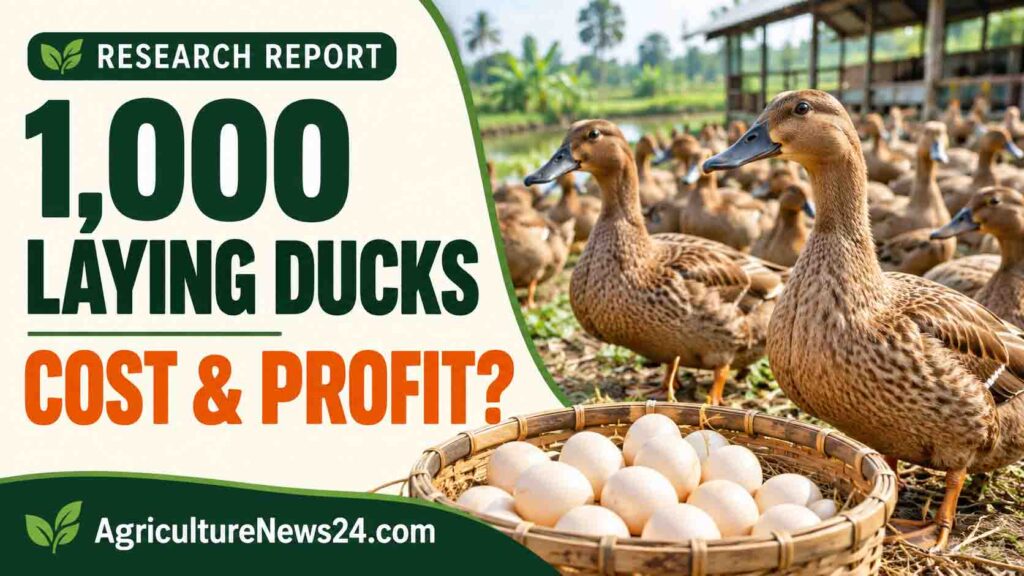
How Much Does It Cost to Raise 1,000 Laying Ducks—and How Much Profit Remains?
A Research-Based Report by Dr. Bayezid Moral
Hundreds of eggs are being sold every day, bringing money into the farm regularly. From the outside, a laying-duck farm may appear certain to make a profit. But how much remains after paying for feed, labour, transport, healthcare and other expenses? Is enough money being set aside to replace the flock after the older ducks are sold?
These questions are essential to understanding the economics of a 1,000-duck farm. Egg sales revenue and profit are different things. Even a productive farm can lose money when feed prices rise and egg prices fall.
Under the illustrative budget in this report, starting with 1,000 female ducks close to laying age may require approximately Tk 900,000–1.2 million if suitable housing and land are already available. If new housing and infrastructure are needed, the estimated requirement may rise to Tk 1.4–2 million, excluding land purchase. In a moderate scenario, a monthly operating surplus of around Tk 40,000 may fall to approximately Tk 10,000 after allowing for flock value reduction, infrastructure depreciation and the cost of capital. Under adverse conditions, monthly operating losses can exceed Tk 50,000.
These figures are neither verified current prices for a particular location nor a guarantee of profit. The calculations combine published research and technical guidance with explicitly stated assumptions. Results will change when actual local feed, duck and egg prices are used.
Do 1,000 Ducks Mean 1,000 Eggs Every Day?
One of the biggest mistakes in farm budgeting is assuming that the number of ducks equals the number of eggs produced daily.
This report assumes a productive flock of 1,000 live female ducks. The same calculations would not apply to a flock of 1,000 birds that includes 300 males.
Male ducks are not needed to produce eggs for human consumption. Producing fertile eggs for hatching is a separate business with different breeding requirements and market conditions.
For 1,000 female ducks, the production rates mean:
| Daily laying rate | Eggs per day | Eggs in 30 days |
|---|---|---|
| 50% | 500 | 15,000 |
| 60% | 600 | 18,000 |
| 70% | 700 | 21,000 |
| 80% | 800 | 24,000 |
This table assumes that every egg is saleable. In practice, broken, spoiled and otherwise unsaleable eggs must be deducted. The live flock count must also be adjusted when ducks die or are removed.
Production does not remain constant from the beginning of laying through peak production and later stages. Tamil Nadu Agricultural University’s guidance states that ducks generally begin laying at about five to six months of age and reach peak production several weeks later. Timing varies with breed and management, so full production revenue should not be assumed immediately after purchase.
Which Farming System Does This Budget Cover?
Duck farms in Bangladesh cannot all be assessed using the same budget.
Ducks grazing in haors, beels and other water bodies may obtain some natural food. In a confined farm, almost all nutritional requirements must be met through purchased feed. Grazing may reduce feed purchases, but it also involves supervision, movement, access to water bodies and seasonal food shortages.
The main calculations in this report cover a farm primarily dependent on purchased feed. When comparing it with a farm using natural food sources, both feed and labour expenses must be recalculated.
A study conducted in Kishoreganj identified disease, high feed costs, limited access to credit and veterinary services, and low selling prices as important challenges in duck farming. The study dates from 2016; its historical monetary figures have not been used as current investment estimates.
How Much Money Is Needed to Start?
Having enough money to buy the ducks does not mean the farm is fully prepared. Feed stocks, housing, water facilities and funds to cover expenses during low production are also necessary.
The following budget assumes an illustrative purchase price of Tk 500 per female duck close to laying age. This is not a verified current market quotation. Before purchasing, obtain local prices and confirm the ducks’ age, breed, health, sex and production history.
If Suitable Housing and Land Are Already Available
| Investment item | Illustrative cost |
|---|---|
| 1,000 female ducks at Tk 500 each | Tk 500,000 |
| Housing repairs, drainage and fencing | Tk 75,000 |
| Feeders, drinkers and egg collection equipment | Tk 50,000 |
| Transport, initial health checks and cleaning | Tk 25,000 |
| Initial investment | Tk 650,000 |
| Working capital for one to two months, rounded | Tk 250,000–500,000 |
| Total funds required | Tk 900,000–1,150,000 |
Under these assumptions, preparing approximately Tk 900,000–1.2 million is a reasonable planning estimate. Existing housing must still be checked for suitability.
Working capital is money kept available to purchase feed and cover running expenses. It does not necessarily have to be spent all at once. It helps the farm continue operating when egg payments are delayed or production is initially low.
If New Housing Is Required
Replacing the Tk 75,000 repair allowance with an illustrative Tk 600,000–900,000 budget for new housing, fencing, drainage and essential facilities brings the total funding requirement to approximately Tk 1.425–1.975 million.
Therefore, a planning range of approximately Tk 1.4–2 million, excluding land purchase, may be considered. This is not a construction quotation. Actual costs must be determined from local materials, building dimensions and construction standards.
Reducing housing costs by overcrowding the ducks may undermine production and management. Tamil Nadu Agricultural University’s guidance specifies approximately four to five square feet of floor space per laying duck under an intensive system. For 1,000 ducks, this amounts to approximately 4,000–5,000 square feet of bird housing, with feed storage and other service areas provided separately.
Is It Cheaper to Buy Ducklings and Raise Them?
Ducklings may have a lower purchase price. However, several months of feed, heating, labour and care must be financed before egg production begins.
More importantly, buying 1,000 ducklings does not necessarily produce 1,000 laying females. The batch may include males, and some birds may die during rearing.
Tamil Nadu Agricultural University’s guidance indicates that a Khaki Campbell duck consumes approximately 12.5 kilograms of feed up to 20 weeks of age. At an illustrative average feed price of Tk 55 per kilogram, feed alone would cost approximately Tk 688 per bird during that period. This excludes the duckling’s purchase price, labour, healthcare, equipment and mortality losses.
A duckling-rearing budget must therefore be prepared separately from a budget for buying ducks close to laying age. Forecasting future egg income without confirming the sex of the ducklings can lead to serious errors.
How Much Feed Is Needed Each Month?
The main budget assumes 150 grams of purchased feed per duck per day. This is a budgeting assumption, not a fixed feeding recommendation for every breed and management system.
For 1,000 ducks:
Daily feed = 1,000 × 150 grams = 150 kilograms.
Feed for 30 days = 150 × 30 = 4,500 kilograms.
| Illustrative feed price | Feed cost for 30 days |
|---|---|
| Tk 50 per kilogram | Tk 225,000 |
| Tk 55 per kilogram | Tk 247,500 |
| Tk 60 per kilogram | Tk 270,000 |
| Tk 65 per kilogram | Tk 292,500 |
A Tk 5 increase in the price of each kilogram of feed raises monthly expenses by Tk 22,500.
Technical guidance indicates that Khaki Campbell ducks may consume 120 grams or more daily after 20 weeks, depending on production and access to other food. Actual budgets should therefore be adjusted using measured feed consumption, wastage, body condition and egg production.
What Are the Monthly Expenses in a Moderate Scenario?
The main assumptions are:
- Live female ducks: 1,000.
- Budget period: 30 days.
- Purchased feed: 150 grams per duck daily.
- Feed price: Tk 55 per kilogram.
- Saleable eggs: 700 per day.
- Price received by the farmer: Tk 15 per egg.
The Tk 15 price is the amount received by the farmer. Using a shop’s retail price would overstate farm revenue.
| Monthly operating expense | Amount |
|---|---|
| Feed: 4,500 kilograms × Tk 55 | Tk 247,500 |
| Labour: wages or the value of family labour | Tk 20,000 |
| Healthcare and disinfectants | Tk 5,000 |
| Water, electricity and bedding materials | Tk 6,000 |
| Egg transport, packaging and marketing | Tk 6,500 |
| Minor repairs and miscellaneous expenses | Tk 5,000 |
| Total operating expenses | Tk 290,000 |
This budget assumes the farm operates on its own premises. Rent must be added where applicable. Feed transport must also be added if it is not included in the quoted feed price.
The Tk 5,000 healthcare allowance is a routine budget provision. It should not be assumed sufficient to cover losses from a major disease outbreak.
How Much Remains After Selling the Eggs?
At 700 eggs per day, the farm produces 21,000 saleable eggs in 30 days.
Egg revenue = 21,000 × Tk 15 = Tk 315,000.
Operating surplus = Tk 315,000 − Tk 290,000 = Tk 25,000.
At a 70% laying rate, an egg price of Tk 15 and a feed price of Tk 55 per kilogram, this farm generates an operating surplus, but it is modest.
If the egg price rises to Tk 15.70, revenue at the same production level becomes Tk 329,700, leaving an operating surplus of approximately Tk 39,700. In this model, achieving a monthly surplus of about Tk 40,000 therefore requires an egg price slightly above Tk 15.
Even then, flock value reduction, infrastructure depreciation and the cost of capital must be considered.
Where Does the Money for Replacing the Flock Come From?
Charging the entire purchase price of the ducks as an expense every month would be incorrect. Ignoring their purchase cost throughout the production period would also distort profit.
Consider these assumptions:
| Item | Amount |
|---|---|
| Purchase price of 1,000 ducks | Tk 500,000 |
| Estimated total sale value at the end of the production period | Tk 250,000 |
| Difference in value | Tk 250,000 |
Spread over an illustrative 18-month production period, the monthly reduction in flock value is approximately Tk 13,889, rounded to Tk 14,000.
Neither the 18-month period nor the final sale value is guaranteed. Age, declining production, mortality and market prices will change the calculation. If this purchase-minus-resale method is used, the full resale proceeds must not also be added as extra profit.
Adding an illustrative Tk 5,000 monthly infrastructure depreciation allowance and Tk 10,000 for loan interest or the opportunity cost of personal capital brings these additional costs to Tk 29,000 per month. Interest and opportunity cost must not both be charged on the same capital.
The moderate scenario then produces the following results:
| Financial result | Monthly amount |
|---|---|
| Operating surplus at Tk 15 per egg | Tk 25,000 |
| Flock value reduction, depreciation and capital cost | Tk 29,000 |
| Estimated result after full costs | Tk 4,000 loss |
| Operating surplus at Tk 15.70 per egg | Tk 39,700 |
| Result after the same full costs | Tk 10,700 profit |
Money flowing into a farm does not necessarily mean that all its costs are being recovered.
How Much Can Results Change?
The following scenarios are illustrative. Each assumes 150 grams of feed per duck daily and Tk 42,500 in monthly operating expenses other than feed.
| Item | Adverse | Moderate | Favourable |
|---|---|---|---|
| Saleable eggs per day | 600 | 700 | 800 |
| Price received per egg | Tk 13 | Tk 15 | Tk 16 |
| Feed price per kilogram | Tk 55 | Tk 55 | Tk 50 |
| Monthly egg revenue | Tk 234,000 | Tk 315,000 | Tk 384,000 |
| Monthly feed cost | Tk 247,500 | Tk 247,500 | Tk 225,000 |
| Other operating expenses | Tk 42,500 | Tk 42,500 | Tk 42,500 |
| Operating surplus or deficit | −Tk 56,000 | Tk 25,000 | Tk 116,500 |
| Result after an additional Tk 29,000 in full costs | −Tk 85,000 | −Tk 4,000 | Tk 87,500 |
Production, feed prices and egg prices work together, creating large differences between farms with the same number of ducks.
Multiplying one favourable month’s profit by 12 does not establish annual profit. Evidence is needed that an 80% laying rate and the same feed and egg prices can be maintained throughout the year.
What Does It Cost to Produce One Egg?
Under the main model, monthly operating expenses total Tk 290,000. The cost per egg changes with production:
| Saleable eggs per day | Monthly eggs | Operating cost per egg |
|---|---|---|
| 500 | 15,000 | Tk 19.33 |
| 600 | 18,000 | Tk 16.11 |
| 700 | 21,000 | Tk 13.81 |
| 800 | 24,000 | Tk 12.08 |
Including flock value reduction, depreciation and capital cost brings monthly full costs to Tk 319,000. At 700 eggs daily, the full cost per egg is approximately Tk 15.19.
This explains why declining production puts farmers under pressure. Most feeding and care expenses continue even when fewer eggs are produced.
How Many Eggs Are Needed Daily to Break Even?
The operating break-even point can be calculated as:
Required daily eggs = Monthly expenses ÷ Price received per egg ÷ 30.
| Price received per egg | Daily eggs needed to cover operating expenses |
|---|---|
| Tk 12 | Approximately 806 |
| Tk 13 | Approximately 744 |
| Tk 14 | Approximately 691 |
| Tk 15 | Approximately 645 |
| Tk 16 | Approximately 605 |
At full monthly costs of Tk 319,000 and an egg price of Tk 15, the farm needs approximately 709 saleable eggs daily.
Although 700 eggs from 1,000 female ducks may appear to be good production, it falls slightly short of recovering full costs under this particular budget.
What Happens When the Egg Price Falls by Tk 1?
A farm producing 700 saleable eggs daily sells 21,000 eggs monthly. A Tk 1 decline in the price of each egg reduces monthly revenue by Tk 21,000.
If feed prices simultaneously rise by Tk 5 per kilogram, monthly costs increase by Tk 22,500.
Together, these changes worsen the monthly result by Tk 43,500. A farm previously generating a Tk 40,000 operating surplus could move into an operating deficit.
Bangladesh has experienced this kind of price risk. A March 2026 report on Singra’s duck-egg market described large eggs selling for Tk 10 and smaller eggs for Tk 8–9. These figures represent a particular place and time, rather than a current nationwide price, but they demonstrate why falling prices must be considered in farm budgets.
How Much Can Natural Food Sources Save?
Suppose grazing allows purchased feed to fall from 150 grams to 120 grams per duck daily without reducing egg production.
For 1,000 ducks, purchased feed would decrease by 30 kilograms daily, or 900 kilograms monthly. At Tk 55 per kilogram, the potential saving is Tk 49,500 per month.
This is conditional. Additional grazing labour, transport, access charges and changes in production must be accounted for before calculating the final benefit.
Reducing feed purchases cannot automatically be counted as a gain if egg production also falls. Access to a water body does not necessarily ensure adequate nutrition.
Feed Cost per Egg Matters More Than the Price of a Bag
Choosing feed solely by its bag price can lead to poor decisions. Cheaper feed may increase the cost per egg if production declines.
In the main model, 4,500 kilograms of monthly feed produces 21,000 eggs. Purchased feed use is approximately 214 grams per egg. At Tk 55 per kilogram, feed alone costs approximately Tk 11.79 per egg.
If daily production falls to 600 eggs while feed use remains unchanged, feed cost rises to Tk 13.75 per egg. Selling an egg for Tk 13 would then fail to cover even its feed cost.
Balanced nutrition is essential. University guidance specifies approximately 18% crude protein and at least 3% calcium in layer-duck feed. A nutritionist should assess any ration prepared from local ingredients.
Family Labour Also Has a Cost
One family member may graze the ducks, another feed them, and another collect and sell the eggs. Their work has economic value even when no salary is paid.
The main model assigns Tk 20,000 monthly to labour. Leaving this out would make the money remaining appear larger, but part of that amount would represent payment for the family’s work.
The Bangladesh study cited above documented substantial labour contributions by women in duck care. Treating family labour as free therefore prevents an accurate assessment of farm earnings.
What Should Farmers Record?
A daily farm record should contain at least six items:
- The number of live female ducks at the start of the day.
- The quantity of feed supplied.
- The total number of eggs collected.
- Saleable eggs and eggs lost or rejected.
- Eggs sold and the price received.
- Other expenses and outstanding payments.
These records should be used weekly to calculate the laying rate, feed cost per egg and surplus after total expenses.
If buyers delay payment, recorded sales will not provide the cash needed to buy feed. Recording payment collection is therefore as important as recording sales.
What Should a New Entrepreneur Decide?
Before starting with 1,000 ducks, the entire budget should be completed using local information. The most important figures are the verified purchase price of female ducks, the delivered feed price and the egg price actually received by the farmer.
Before purchase, examine several days of production records, verify age and health, and seek advice from the local livestock office. Funds should also be available to cover any temporary production decline following relocation.
An inexperienced entrepreneur can begin with a smaller flock, collect production and sales records under their own management, and use that evidence to decide whether to expand.
A 1,000-duck laying farm can be profitable, but profitability depends on efficient feed use, sufficient saleable eggs and a viable selling price. Approximately Tk 900,000–1.2 million with existing suitable housing, or Tk 1.4–2 million with new infrastructure excluding land purchase, represents an illustrative planning range. It should not be treated as a final budget without inserting local prices.
The measure of success is more than “How many eggs did we collect today?” The essential question is: After paying for labour and all other costs, and setting aside money for the next flock, how much remains from today’s egg sales?
Sources: Tamil Nadu Agricultural University’s guidance on duck housing, feeding and laying-duck management; Progressive Agriculture, 2016, research on duck-farming profitability and labour division; Bangladesh Pratidin, 3 March 2026, reporting on falling duck-egg prices in Singra. The investment and profit tables are the report’s own illustrative calculations.